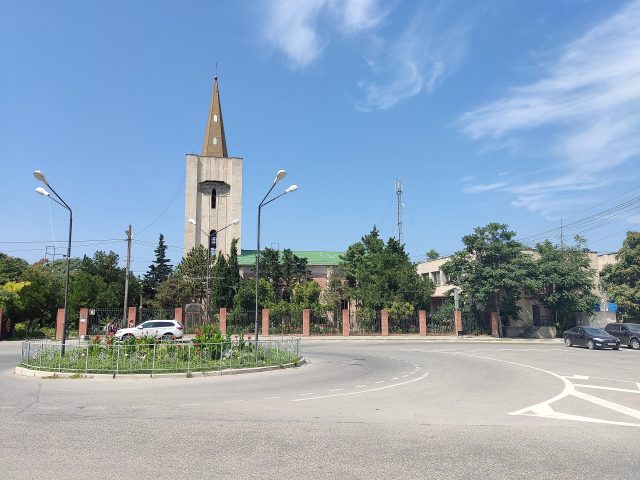
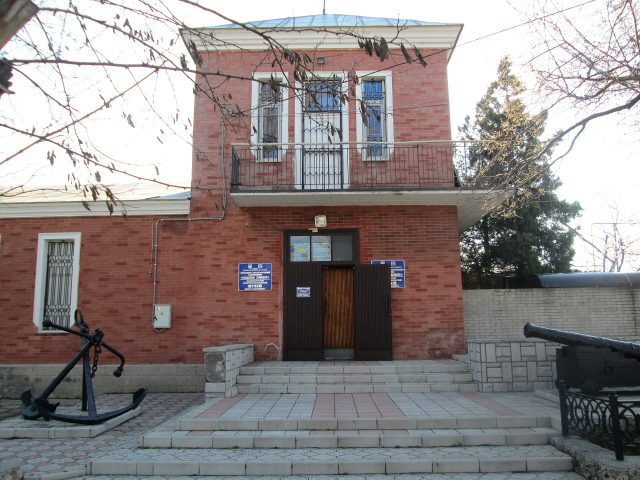
Perched on the hills overlooking the Black Sea, the Church of St. Nicholas the Wonderworker stands as a quiet witness to the region’s layered history. Built in the late 19th century, it was one of the first Orthodox churches in what was then a rapidly developing resort area, where the Russian aristocracy and later Soviet officials came to escape the northern winters. The church’s whitewashed walls and golden domes catch the sunlight in a way that makes it visible from the coastline, a small but unmistakable landmark against the backdrop of the Caucasus Mountains.
The architecture blends traditional Russian Orthodox design with subtle local influences. The central dome, crowned with a cross, follows the classic Byzantine style, while the bell tower rises in a more restrained, almost neoclassical manner. Inside, the iconostasis is modest but carefully preserved, with icons that have survived wars, revolutions, and the passage of time. The church was never grand in scale—its beauty lies in its simplicity, in the way it seems to belong to the landscape rather than dominate it.
For much of the 20th century, the church’s fate mirrored that of many religious sites in Russia. During the Soviet era, it was closed, its bells silenced, and its interior repurposed for secular use. Some accounts suggest it was used as a warehouse or even a cultural center at different points. It wasn’t until the 1990s that the building was returned to the Orthodox Church, restored, and reopened for worship. Today, the scars of that period are still visible in places—faded patches on the walls, the occasional mismatched tile—but they only add to the sense of resilience.
The church is not just a place of worship but a living part of the community. Locals and visitors alike come here for services, baptisms, and weddings, though it remains a relatively low-key destination compared to the more famous cathedrals of Moscow or St. Petersburg. The atmosphere is one of quiet devotion, with the scent of incense lingering in the air and the sound of chanting drifting through the open doors. On feast days, the small courtyard fills with people, and the churchyard’s cypress trees cast long shadows over the graves of those buried here over the decades.
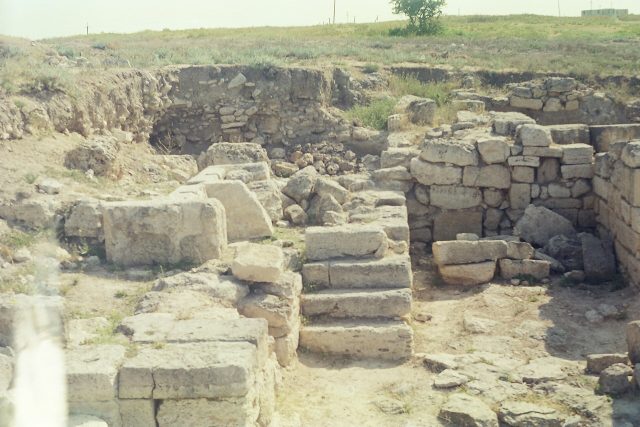
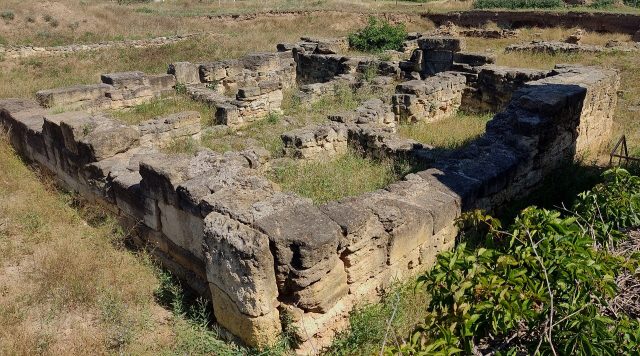
What makes this church particularly interesting is its connection to the Black Sea coast’s identity. The region has always been a crossroads—Greek colonies, Ottoman fortresses, and Russian imperial outposts all left their mark here. The Church of St. Nicholas, though Russian Orthodox in tradition, sits in a place where Christianity, Islam, and even ancient pagan beliefs have intersected over centuries. The nearby ruins of Byzantine churches and Genoese fortresses serve as a reminder that faith here has always been part of a broader, more complicated story.
Visitors who take the time to explore beyond the main tourist spots will find the church a peaceful retreat. There’s no grand museum-like experience here, no guided tours with rehearsed facts. Instead, it offers something simpler: a moment of stillness in a region often associated with crowded beaches and bustling resorts. The view from the churchyard is worth the climb—rolling hills, the shimmering sea in the distance, and the sense that time moves a little slower here.
The church also plays a role in the local calendar of events. Every year on December 19th, the feast day of St. Nicholas, a procession winds through the nearby streets, with icons carried by the faithful. It’s a tradition that has been revived in recent decades, drawing not just parishioners but curious onlookers. The rest of the year, the church remains open to those who wish to light a candle or simply sit in the cool shade of its walls.
For those who appreciate history beyond the obvious, the Church of St. Nicholas offers a glimpse into the quieter, more personal side of the Black Sea coast. It’s a place where the past isn’t just preserved in stone but lived in the daily rituals of those who keep it alive. Whether you come for the architecture, the history, or the chance to step away from the crowds, the church stands as a reminder that some of the most meaningful places are the ones that don’t demand attention—but quietly earn it.