Kalos Limen clings to Crimea’s western coast, near Chernomorskoye, where the steppe spills into the sea. The name means Beautiful Harbor, and the bay still shelters ships the way it did in the 4th century BC. The Greeks chose this spot for its calm waters, protective cliffs, and a view that stretches to the horizon. You can stand on the hillside and watch the same light play on the waves that once guided merchant vessels laden with wine, olive oil, and ceramics.
The settlement belonged to the Chersonesus state, a city-state that ruled the region. It minted its own coins, traded goods from across the Black Sea, and served as a military outpost. But the Greeks weren’t alone here. Scythian burial mounds dot the nearby steppe, evidence of the nomads who clashed and traded with them. Sarmatians, Goths, and Huns later swept through, and by the early centuries AD, the city was abandoned.
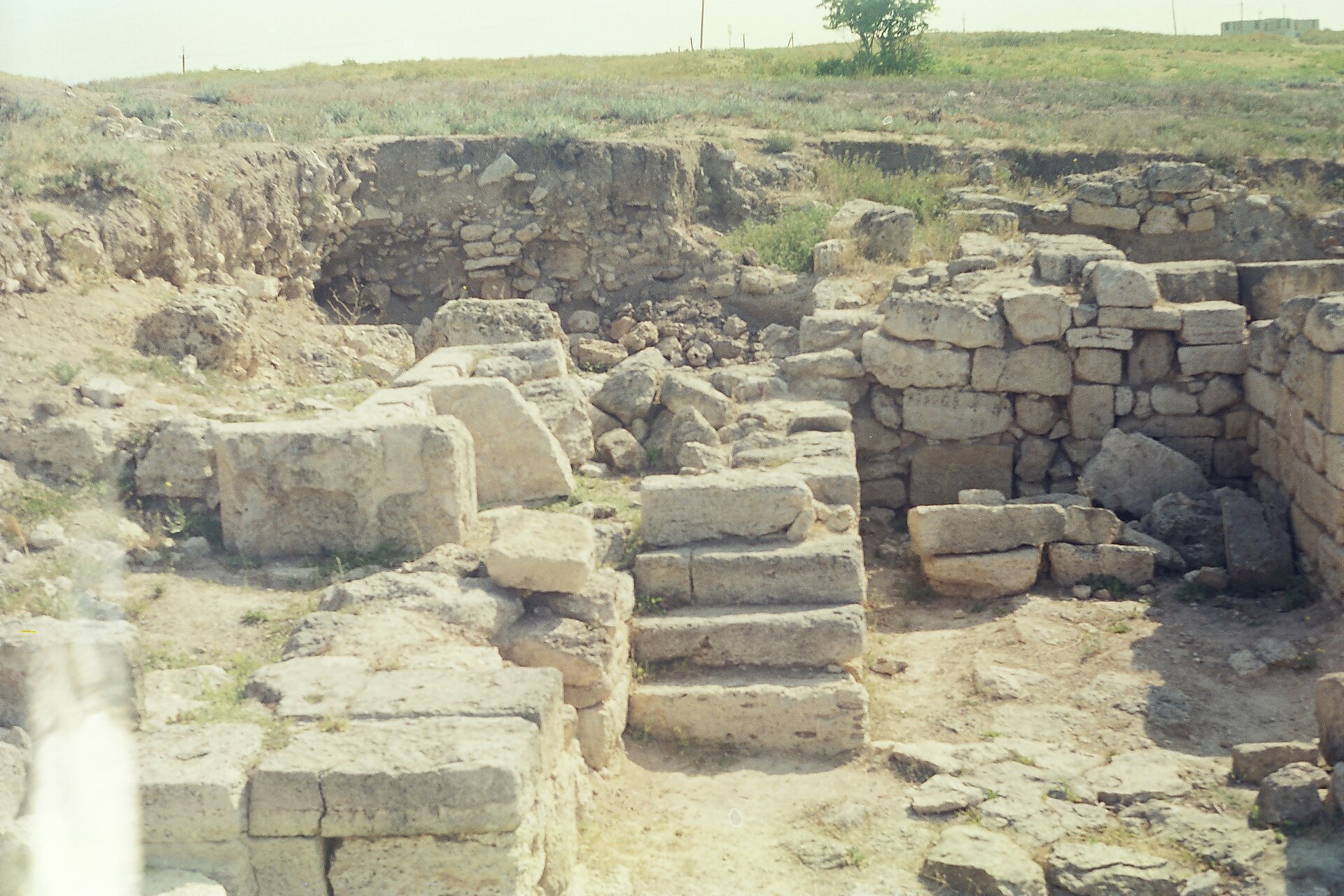
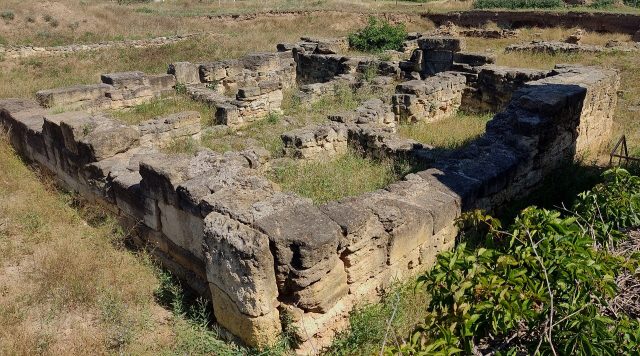
The ruins are untouched. No restorations, no signs, no paths—just stone walls snaking along the hillside, their edges worn by wind and time. A few towers still stand, their foundations stubborn against the elements. From the citadel, the view takes in the bay, the steppe, and the distant sea. Archaeologists have found traces of temples, workshops, and an early water system, but most of it remains half-buried, fragments of pottery scattered underfoot.
There are no crowds here. No guided tours, no souvenir stalls. Just the wind, the scent of wild herbs, and the sound of waves. The silence makes you slow down. You might sit on a low wall, running your fingers over the outline of a building that’s been gone for centuries. Who lived here? Merchants arguing over prices? Fishermen repairing their nets? A child chasing through the streets, unaware of the strangers who would one day stand in their footsteps?
Late afternoon is the best time to visit. The light turns golden, the shadows stretch, and the stones warm under the sun. The past doesn’t feel distant. The land holds its breath, waiting.
This isn’t a place for those who prefer history neatly packaged. No visitor centers, no cafes, no handrails. The terrain is uneven, the paths overgrown. Bring water, sturdy shoes, and a map—though you’ll likely wander off course, drawn by a pile of stones or a sudden glimpse of the sea through a gap in the walls. Some knowledge of the site helps, but even without it, the ruins speak for themselves.
Kalos Limen isn’t on the usual tourist trail. It attracts those who want more than postcard views—people curious about the layers of time beneath their feet. Whether you’re an amateur archaeologist or just someone who likes quiet places, you could spend hours here. Watching the light change over the ruins, the way it has for centuries.
If you’re on Crimea’s western coast, make the detour. Kalos Limen isn’t a place you see—it’s a place you feel. No grand monument, no reconstructed grandeur. Just the raw remnants of a city that once thrived. History isn’t locked in books or behind glass. It’s here, under the open sky, waiting.