Sam Sing Kung Temple in Sandakan is one of those quiet places that doesn’t announce itself to travelers but lingers in the mind long after you’ve left. It isn’t grand like the gilded Buddhist sanctuaries of Southeast Asia, nor is it loud like the Hindu temples where drums and chants spill into the streets. Instead, it feels intimate, almost secret—a place where time moves differently. Tucked away on the edge of town, it doesn’t appear on most tourist maps, and that’s part of its charm.
The temple’s story begins in the mid-20th century, when Chinese immigrants arrived in Sandakan seeking work in the bustling port city. For them, it was more than a place of worship; it was a piece of home in a foreign land. Sandakan in those days was a crossroads of trade, where ships carried timber, spices, and people between Borneo and the wider world. The temple became a spiritual anchor for the community, a place where traditions could take root in new soil. Its architecture reflects this blend of old and new—wooden beams carved with intricate patterns, a tiled roof that curves at the edges, and doors that tell stories in their details. The craftsmanship is subtle but deliberate, passed down through generations of artisans who understood the weight of what they were building.
At the heart of the temple stands a statue of Guan Yu, the revered Chinese god of war. In Chinese culture, Guan Yu is more than a warrior; he embodies loyalty, integrity, and justice. His presence here speaks to the values that mattered to the early immigrants—honor in hardship, fairness in dealings, and the strength to endure. Nearby, smaller altars honor other deities, including Mazu, the protector of sailors. This makes sense in a port city like Sandakan, where the sea was both a livelihood and a risk. Inside, the air is thick with the scent of incense, and the flicker of candlelight casts long shadows on the walls. It’s a space designed for reflection, not spectacle.
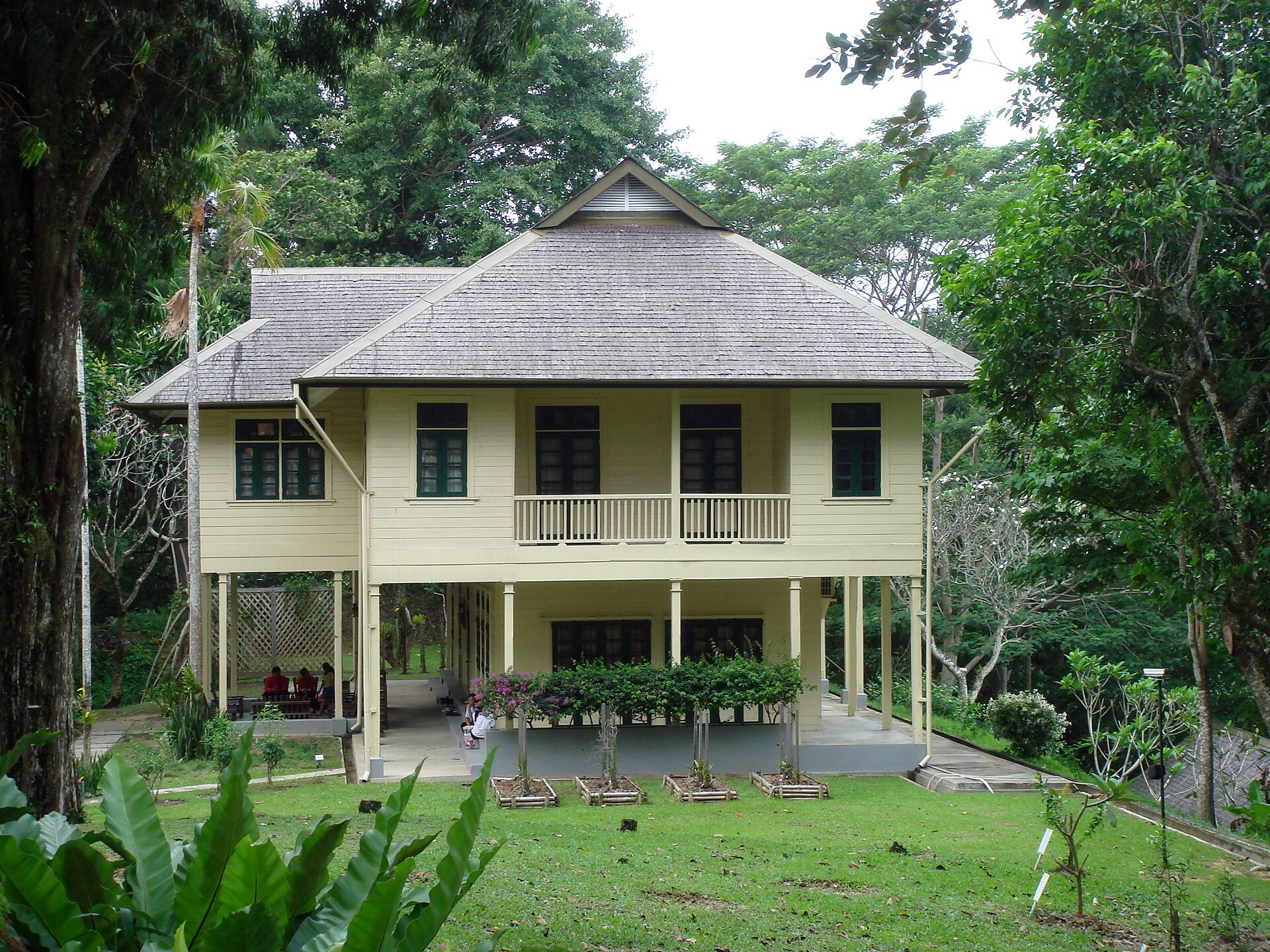
A small garden wraps around the temple, offering a place to pause. Stone tablets bear the names of those who contributed to its construction, their legacies etched in weathered characters. Old trees provide shade, their leaves rustling softly in the breeze. The garden is simple but well-tended, a natural extension of the temple’s calm. Locals often come here not just to pray but to sit quietly, especially in the early mornings when the city is still waking up. There’s no agenda, no rush—just the quiet rhythm of life.
While the temple doesn’t host elaborate festivals, it comes alive during major Chinese celebrations like Lunar New Year or the Lantern Festival. On these days, families gather to honor their ancestors, light incense, and share meals. The air fills with the sound of gongs, the smell of fried delicacies, and the laughter of children running between the altars. For visitors, it’s a rare glimpse into living traditions, unfiltered by tourism. There are no performances, no staged rituals—just people practicing their faith as they have for decades.
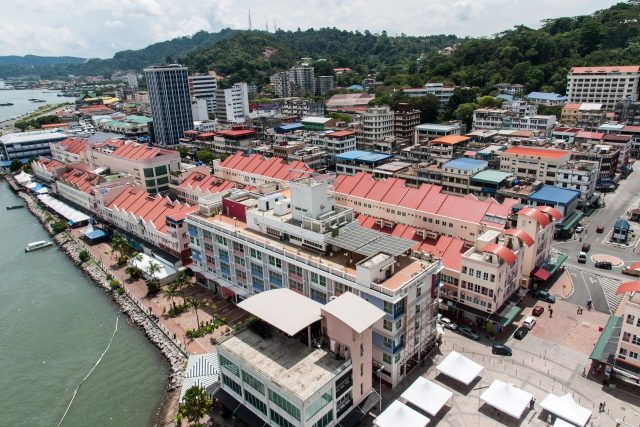
Sandakan itself is often overlooked by travelers, which makes Sam Sing Kung all the more special. There are no crowds here, no tour guides herding groups through the gates, no stalls selling trinkets. Just the quiet hum of the city in the distance and the occasional creak of an old wooden beam. Most who visit come not for photos but for something less tangible—a moment of stillness, a connection to the past. The temple doesn’t demand attention; it simply offers itself to those who seek it.
If you find yourself in Sandakan, it’s worth stopping by, even if just for half an hour. You don’t need to be religious to appreciate the atmosphere. Sit on one of the benches in the garden, listen to the leaves, and let the quiet settle over you. Think about the generations of people who have walked these same paths—some seeking solace, others giving thanks, all carrying their own stories. In a world that moves too fast, places like this remind us of what endures.