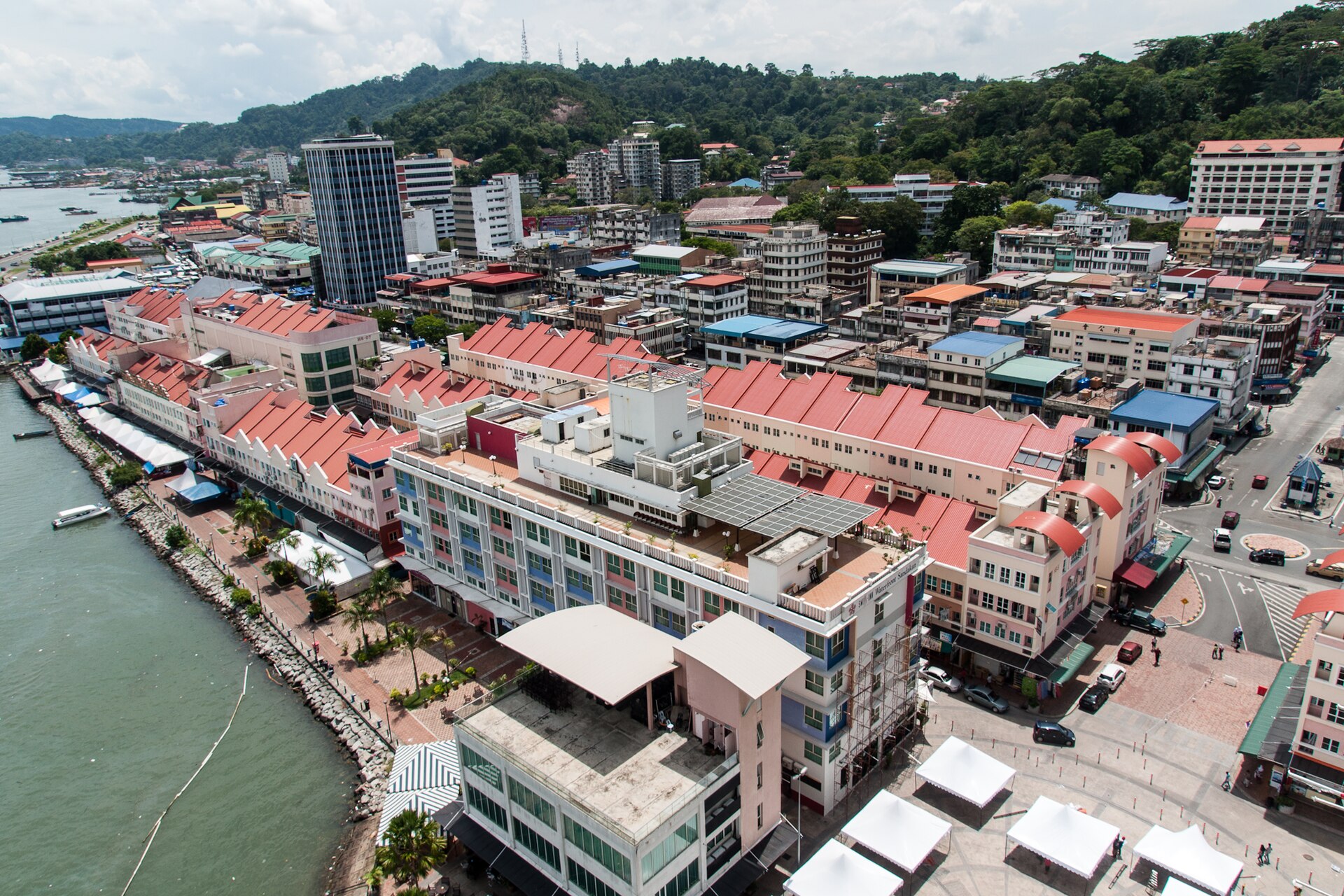
Sandakan Market is where the city reveals itself in its most unfiltered form. There’s no rehearsed hospitality here, no vendors insisting you buy something "just for you." Instead, it’s a place where people go about their daily lives, selling what they’ve grown or prepared, just as their parents and grandparents did before them. The market isn’t just a place to shop—it’s a living entity that breathes with the city, shifting with the time of day and the seasons while staying true to its essence.
Sandakan was once a small fishing village on the northeast coast of Borneo, and the market has always been its heart. Long before tour buses and luxury hotels arrived, farmers from nearby villages, fishermen with their fresh catches, and spice traders from the island’s interior would gather here each morning. Today, the city has grown, but the market’s rhythm remains unchanged. Mornings are loud and bustling as vendors set up their stalls, bargaining in local dialects while shoppers pick through the ripest fruit or the freshest fish. By midday, the pace slows, but the market doesn’t empty—locals still stop by for a quick meal or last-minute dinner ingredients.
The architecture of the market tells the story of the city in miniature. The old wooden awnings that once sheltered the stalls are gradually being replaced by more modern structures, but traces of the past remain: darkened beams, rusted hooks for hanging goods, narrow passageways that haven’t changed in decades. During the rainy season, the roof leaks, and vendors cover their wares with plastic while shoppers wait out the downpour under the shelter, sipping hot tea from thermoses. In the dry season, the air is thick with the scent of grilled fish, spices, and fresh herbs, and sunlight filters through the gaps in the roof, casting shifting patterns on the ground.
Food is the market’s lifeblood, and seafood dominates the scene. Fish stalls take up nearly half the space, displaying everything from fresh tuna and barramundi to prawns the size of a hand, clams, and octopus—some on ice, others swimming in tanks of seawater. Fishermen often arrive straight from their boats, and it’s not uncommon to see them gutting and filleting fish right in front of customers, their knives moving with practiced ease. Nearby, crabs, lobsters, and squid are sold by the kilo, and if you ask, they’ll grill them on the spot. The smell of smoke and sizzling oil mixes with the salty sea breeze, making it nearly impossible to resist.
But the market offers far more than just seafood. Borneo’s tropical bounty is on full display here: durians, mangosteens, rambutans, lychees, pineapples, and papayas—fruits that might be considered exotic elsewhere but are sold at nearly every stall. Spices take center stage too: turmeric, cardamom, cloves, cinnamon, and chili peppers in every shade, from mild to fiery. They’re sold in bulk or by weight, and it’s common to see shoppers sniffing the spices, testing their quality. Alongside the fruit and spices are vegetables—oddly shaped eggplants, bitter gourds, young bamboo shoots, and leaves from local plants used in traditional dishes.
Eating at the market is an experience in itself. There are no formal restaurants, but food is everywhere. Street cooks prepare meals right in front of you: satay skewers grilled over charcoal, laksa noodle soup simmering in coconut milk, roti flatbreads baked fresh and served with curry or condensed milk. Seafood dishes are especially popular—prawns fried in sambal sauce, grilled octopus with lemon, spiced fish cakes. The food is simple but flavorful, made from ingredients that were likely harvested or caught that very morning.
Beyond commerce, the market is a crossroads of cultures. Malay, Chinese, Bajau, Kadazan, and a dozen other languages and dialects fill the air. Malays, Chinese, and Borneo’s indigenous communities all come here to shop, chat, and catch up on news. This blend of languages, scents, and flavors reflects Sandakan’s unique character—a city that has long been a meeting point for different cultures and trade routes. There’s no division between "locals" and "outsiders" here; the market brings everyone together, united by curiosity and an openness to new experiences.
Visiting the market isn’t a guided tour—it’s an immersion in the city’s daily life. There are no signs explaining what to see or audio guides narrating the experience. Instead, there’s the hum of activity: laughter, conversations, vendors calling out their prices, the splash of fish being sorted on ice. You could spend an hour here or half a day, simply watching life unfold. Try a fruit you’ve never heard of, sample a dish whose name you can’t pronounce, or sit with a cup of coffee, listening to the stories of the people who call this place home.
The market evolves, yet it stays the same. More tourists visit each year, but it hasn’t become a staged attraction. Sure, you might see groups with cameras photographing exotic fruits or vibrant spices, but most of the shoppers are still locals for whom the market is part of their routine. That’s why it hasn’t lost its authenticity—everything here is real, unfiltered, and unconcerned with meeting anyone’s expectations. Sandakan Market is where you can feel the city’s pulse, understand what drives its people, and see how tradition and modernity intertwine.