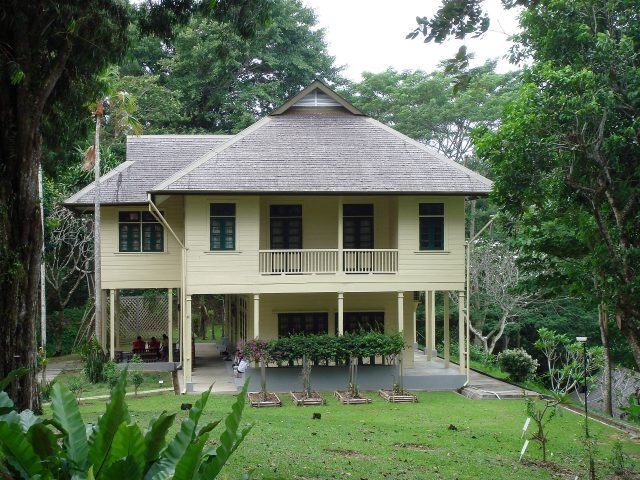
Sandakan Memorial Park is a place where history lingers in the quiet corners of the present. Tucked away on the northern edge of Borneo, a short distance from the town of Sandakan, it stands as a solemn reminder of a past that should never fade from memory. The park occupies the site of a former World War II prisoner-of-war camp, where hundreds of Australian and British soldiers were held under brutal conditions by occupying Japanese forces. Today, it serves not only as a tribute to those who perished but also as a quiet plea for peace—a place where the weight of human suffering is met with reflection rather than rhetoric.
The park itself is small, but its impact is profound. At its heart lies a black marble memorial, its surface etched with the names of the dead. Nearby, a modest museum houses fragments of life in the camp: faded photographs, personal belongings, and official documents that tell stories of resilience and despair. There are no grand speeches here, no dramatic reconstructions—just the raw, unvarnished truth of what happened. Winding paths lead visitors past the remnants of barracks, their foundations still visible beneath the earth. It’s impossible to walk these trails without imagining the fear, the hunger, the sheer exhaustion that defined daily life for those imprisoned here.
The Sandakan camp was one of the most notorious in Southeast Asia. Of the more than two thousand prisoners held here, only six survived—men who managed to escape into the jungle and eventually reach Allied forces. The rest succumbed to disease, starvation, or the horrors of the so-called "death marches," forced treks through the dense Borneo wilderness as the war neared its end. These marches, in particular, became a symbol of the war’s cruelty, a testament to how far human endurance can be pushed before it breaks. The park doesn’t dwell on vengeance; instead, it asks visitors to remember the cost of conflict and the fragility of hope in the darkest of times.
The design of the memorial is understated, almost austere. There are no elaborate monuments or vibrant displays—just stone, wood, and metal, materials that stand the test of time. The natural surroundings play a crucial role: towering trees cast long shadows over the paths, and the stillness of the air contrasts sharply with the chaos of the past. A small pond near the memorial reflects the sky, its surface unbroken except for the occasional ripple from a passing breeze. It’s as if the landscape itself is trying to soothe the pain of history, offering a moment of calm in a place where so much suffering once unfolded.
Visiting the park is a deeply personal experience. There are no crowds, no guided tours rushing from one exhibit to the next. Instead, there’s space to think, to absorb the silence, and to pay respects in one’s own way. Many who come here are Australians or Britons tracing the footsteps of lost relatives, but others arrive from farther afield, drawn by a shared sense of history. Occasionally, the park hosts memorial ceremonies, gatherings where veterans, descendants of the fallen, and strangers united by remembrance come together to honor those who never returned home.
Sandakan Memorial Park is more than a historical site; it’s a quiet call to awareness. It doesn’t seek to shock or provoke but to invite contemplation. There’s no room for hatred here, only a commitment to preserving the memory of those who deserve to be remembered. For many, the visit becomes a moment of clarity—a realization that history isn’t just a series of dates and battles but a collection of human lives, each with its own story, its own weight.
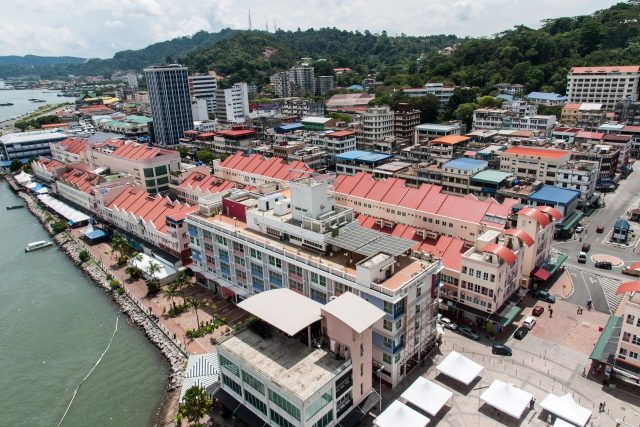
The town of Sandakan, where the park is located, carries its own layers of history. Once a bustling trading hub, it bore the scars of war, its streets and buildings pummeled by bombings. In the decades since, it has been rebuilt, though not entirely in its old image. Today, it’s a quiet place, a town where the past and present coexist without fanfare. The memorial park doesn’t dominate the landscape, but its presence gives the town a deeper significance, a reminder that even in places far from the world’s attention, history leaves its mark.
If you find yourself in this part of Borneo, the park is worth a visit—not because it’s grand or flashy, but because it offers something rare: a chance to pause. You won’t need hours to explore it, but the experience will stay with you long after you leave. There’s no rush here, no need to fill the silence with words. Just the rustling of leaves, the distant call of birds, and the quiet weight of memory. Perhaps that’s why people return. Not for spectacle, but for the quiet understanding that some stories must never be forgotten.