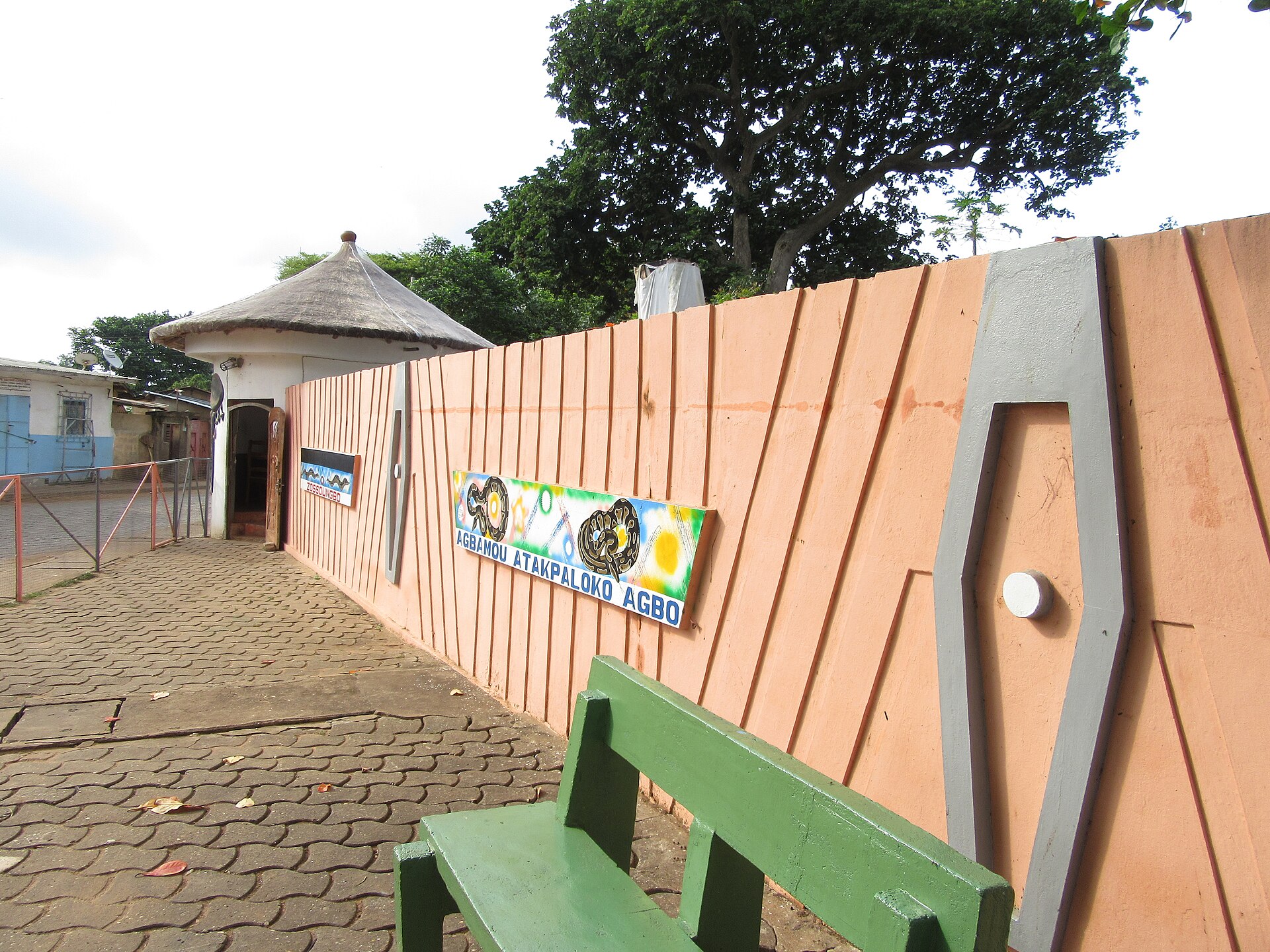
The Temple of Pythons in Ouidah is one of those places where history, myth, and daily life intersect in ways that feel both ordinary and extraordinary. Tucked away in the heart of this coastal town, the temple is not a grand structure of stone or marble but a modest, unassuming building that blends into its surroundings. Yet for those who know its significance, it stands as a living symbol of Benin’s deep spiritual traditions and the enduring relationship between humans and the natural world.
Ouidah itself is a town layered with stories. Once a major hub of the transatlantic slave trade, it carries the weight of that history in its streets, forts, and monuments. But it is also a place where Vodun, the traditional religion of Benin, remains a vibrant part of everyday life. The Temple of Pythons is a testament to this duality—a site where the past is not just remembered but actively honored. The pythons here are not mere animals; they are revered as sacred beings, believed to embody the spirits of ancestors and deities.
The temple’s origins are rooted in local legend. According to oral tradition, a python once saved the town from an impending disaster, perhaps a flood or an enemy attack, by appearing at a critical moment. In gratitude, the people of Ouidah began to worship these snakes, and the temple was established as a place of veneration. Over time, the site became a center for Vodun practitioners, particularly those devoted to Dangbé, the serpent deity associated with water, fertility, and protection. The pythons, non-venomous and docile, are treated with the utmost care, often handled by priests and devotees who see them as intermediaries between the human and spiritual realms.
Visitors to the temple will find a small, enclosed courtyard where the pythons live. The space is simple, with low walls and a few altars adorned with offerings—candles, food, and small tokens left by worshippers. The snakes themselves are usually coiled around the branches of a tree or resting in the shade, their presence unobtrusive yet impossible to ignore. Some may be draped over the shoulders of visitors, a practice that, while startling to outsiders, is entirely routine here. The temple’s caretakers are often on hand to explain the significance of the site, though much of the experience relies on observation and quiet reflection.
The temple is not just a tourist attraction but an active place of worship. On certain days, particularly during Vodun festivals, the space comes alive with rituals, drumming, and ceremonies. The most notable of these is the annual festival of Dangbé, when devotees gather to honor the serpent deity with dances, sacrifices, and prayers. Even on ordinary days, the temple hums with a quiet energy, a reminder that for many in Benin, spirituality is not confined to designated holy days but woven into the fabric of daily existence.
For those unfamiliar with Vodun, the Temple of Pythons offers a glimpse into a belief system that is often misunderstood. Unlike the sensationalized portrayals in popular culture, Vodun here is a complex, deeply personal faith that emphasizes harmony with nature, respect for ancestors, and the interconnectedness of all things. The pythons are not objects of fear but of reverence, their presence a bridge between the seen and unseen worlds. The temple’s simplicity only underscores this—there are no elaborate rituals for outsiders, no staged performances. What you see is what exists: a place where people come to pray, to seek guidance, or simply to sit in the company of creatures they consider sacred.
Ouidah’s broader landscape adds another layer to the temple’s significance. The town is dotted with sites that tell the story of Benin’s past, from the Portuguese Fort to the Door of No Return, a memorial to those who were taken into slavery. The Temple of Pythons stands in contrast to these somber reminders, offering a different kind of history—one of resilience, continuity, and the enduring power of tradition. It is a place where the past is not just preserved in museums or monuments but lived, breathed, and passed down through generations.
A visit to the temple is not about spectacle but about understanding. There are no grand tours or guided narratives, just the quiet rhythm of a place that has existed for centuries and will continue to exist long after visitors have left. The pythons, the altars, the occasional murmur of prayer—all of it feels timeless, as if the temple has always been here, watching over Ouidah with a patience that only the sacred can possess. For those willing to look beyond the surface, it is a rare opportunity to witness a living tradition, one that challenges preconceptions and invites a deeper appreciation of the world’s many ways of believing.