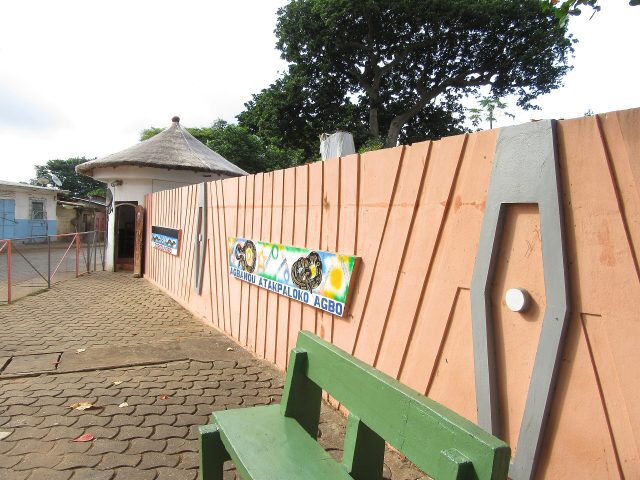
Perched on the edge of the Gulf of Guinea, the Fort of the Portuguese in Ouidah stands as a quiet witness to centuries of history that shaped West Africa. Built in the early 17th century, this modest but sturdy structure was one of several European trading posts along the coast, though it remains one of the few still standing. The fort’s thick walls, made from local laterite stone and coral, were designed to withstand both the tropical climate and the tensions of a region where trade, power, and survival often collided. For decades, it served as a hub for the transatlantic slave trade, a dark chapter that left an indelible mark on the town and the wider world.
Ouidah itself is a place where layers of history overlap in unexpected ways. Long before the Portuguese arrived, it was a thriving center of the Dahomey Kingdom, known for its wealth and complex political structures. The fort was built near the shore, close enough to the ocean to facilitate the loading of ships but far enough inland to offer some protection from storms and rival powers. Over time, it changed hands multiple times—controlled by the Portuguese, then the French, and briefly the British—each leaving subtle traces in its architecture and the stories told about it.
The fort’s design is unassuming, almost austere. Unlike the grand colonial fortresses of other regions, it was built for function rather than display. The main building is a simple rectangular structure with a central courtyard, surrounded by high walls that once housed storerooms, living quarters, and a chapel. The chapel, though small, is one of the most striking features—a reminder of the missionaries who accompanied traders, attempting to convert locals while also participating in the trade that would devastate countless communities. The fort’s layout reflects the priorities of its builders: security, efficiency, and control.
Walking through the fort today, it’s hard not to feel the weight of its past. The air is thick with the humidity of the coast, and the sound of waves crashing against the shore drifts in from the nearby beach. The courtyard, once bustling with activity, is now quiet, save for the occasional visitor or the rustle of wind through the trees. Some of the original cannons still point toward the sea, their rusted barrels a stark contrast to the vibrant greenery around them. The fort has been restored in places, but the wear of time is still visible—cracks in the walls, faded paint, the occasional missing stone—each a small testament to the centuries it has endured.
Beyond its role in the slave trade, the fort also tells a broader story about the connections between Africa and the wider world. Ouidah was a key port in the triangular trade, where goods, people, and ideas flowed between Europe, Africa, and the Americas. The fort’s storerooms once held not just enslaved people but also palm oil, ivory, and gold, commodities that fueled global economies. The town itself became a melting pot of cultures, with influences from Europe, Brazil, and the Caribbean blending with local traditions. This legacy is still visible in Ouidah’s architecture, cuisine, and festivals, where Vodun, Christianity, and Islam coexist in ways that feel both natural and deeply layered.
For many, the Fort of the Portuguese is a place of reflection. It’s not just a historical site but a symbol of resilience and memory. In recent decades, Benin has begun to confront its role in the transatlantic slave trade more openly, and the fort has become a focal point for these conversations. Nearby, the Door of No Return—a monument on the beach where enslaved people were once forced onto ships—serves as a stark reminder of the human cost of that era. The fort, in contrast, feels more like a silent observer, its walls holding stories that are still being uncovered and understood.
Visiting the fort is a quiet experience, one that doesn’t lend itself to grand gestures or dramatic revelations. Instead, it invites a slower kind of engagement, a chance to sit with history rather than rush past it. The town of Ouidah moves at its own pace, with sandy streets lined with mango trees and brightly painted houses. The fort is just one piece of a larger puzzle, a place where the past isn’t just remembered but felt. Whether you’re drawn by its historical significance or simply by the chance to stand in a place where so much has happened, it offers a rare opportunity to connect with a story that is both deeply local and profoundly global.
There’s a certain irony in the fact that a place built for exploitation has become a site of learning and remembrance. The Fort of the Portuguese doesn’t offer easy answers, nor does it try to. Instead, it stands as a reminder of the complexities of history—how power shifts, how cultures intersect, and how the echoes of the past continue to shape the present. For those willing to listen, it has much to say.