- Home
- Republic of Benin
- Vida

Vida
Republic of Benin · 6 places
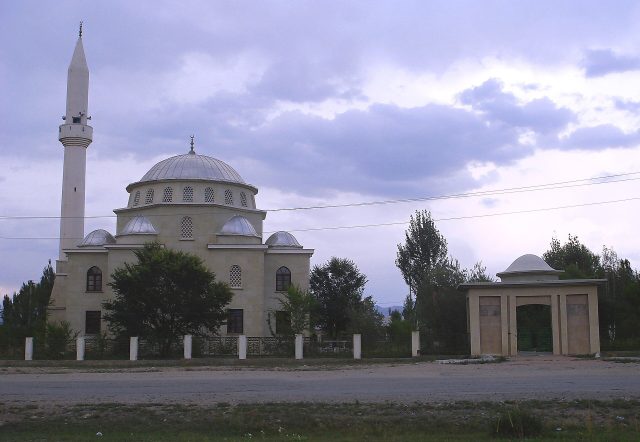
Photo: US Africa Command, CC BY 4.0
Ouidah moves at its own pace, a quiet rhythm that feels older than the centuries etched into its streets. Perched on the edge of the Gulf of Guinea, the city carries the weight of history without apology—once a major hub of the transatlantic slave trade, its past lingers in the crumbling walls of colonial buildings, the stories whispered by elders, and the layout of its markets. There are no crowds here, no hurried footsteps chasing the next attraction. Instead, life unfolds slowly, shaped by tradition, faith, and the unshakable presence of memory. Even the ocean, warm and restless, seems to hold its breath, as if aware of the lives that once passed through the Door of No Return.
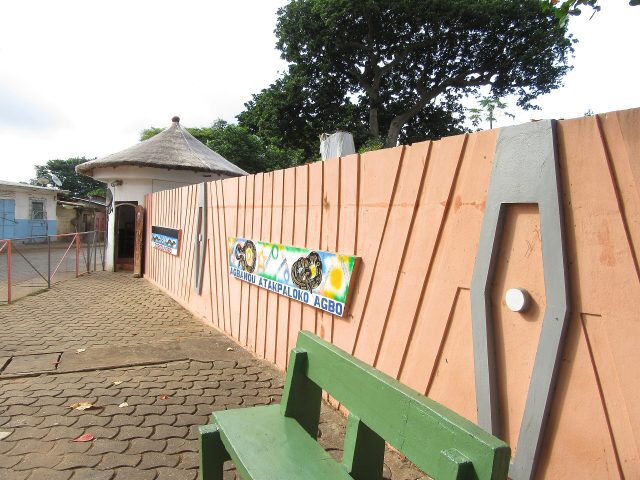
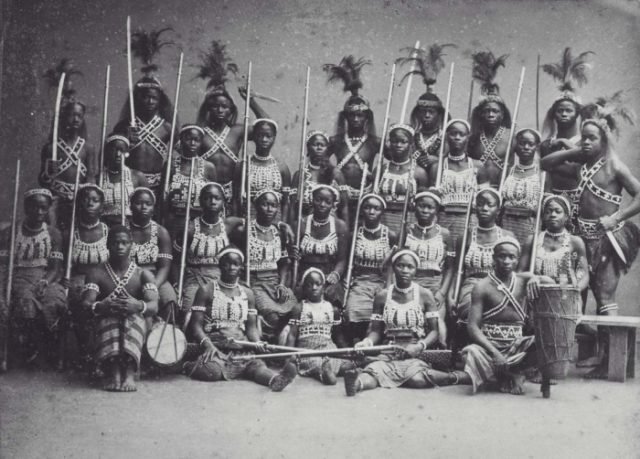
The most tangible remnant of Ouidah’s royal past is the Palace of King Glele, a 19th-century structure now home to a museum. Inside, the artifacts—ceremonial swords, royal thrones, and faded photographs—hint at the power of the Dahomey Kingdom, when this city was its center. The real history isn’t confined to glass cases. It’s in the ancient baobabs that once sheltered councils of warlords and merchants, in the markets where vendors sell handwoven fabrics and spices, and along the ivory-colored beaches where the Atlantic crashes against the shore. The water is inviting, but the currents are treacherous, so locals watch the waves from a distance, their feet planted firmly on land.
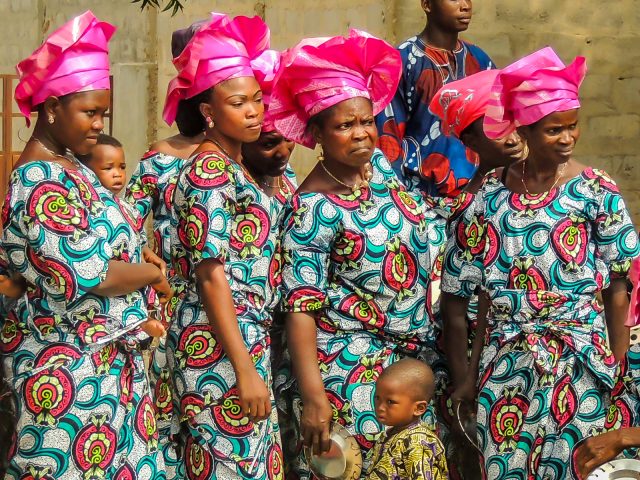
Vodun isn’t just a religion here—it’s the air the city breathes. In January, the Vodun Festival transforms Ouidah into a whirlwind of color and sound, with masked dancers, drummers, and priests performing rituals passed down for generations. Even outside festival season, the signs of Vodun are everywhere: shrines tucked into courtyards, ritual flags fluttering from rooftops. A few temples welcome visitors with guides, offering a glimpse into the symbolism and traditions, but the deeper understanding comes from watching how belief weaves itself into daily life.
For all its history, Ouidah isn’t frozen in time. Small cafés serve grilled fish fresh from the ocean, its smoky scent mingling with the sweet tang of palm wine poured from gourds. Artisans in open-air workshops carve wooden masks and statues, their hands moving with precision. A handful of colonial-era guesthouses offer a place to stay, their verandas perfect for watching the slow ebb and flow of the day. By nightfall, the city grows quiet, the only sound the distant roar of the sea.
Most travelers who come to Ouidah aren’t looking for beaches or shopping. They come for something harder to define: the chance to step into a place where history isn’t just remembered, but alive. The city doesn’t try to impress. There are no grand spectacles, no polished tourist traps. It exists as it always has. And perhaps that’s why those who visit once find themselves drawn back—walking the same streets, listening to the same stories, feeling how time here doesn’t rush. It lingers.
See & Do
6 places


Places on the map
Marker colour follows the categoryClimate and weather
Detailed weather: Vida- Average temperature
- 28 °C
- Precipitation per year
- 1209 mm
- Sunshine hours per day
- 5.6 h
Average air temperature
°C
28
29
29
29
29
27
26
26
27
27
29
29
Jan
Feb
Mar
Apr
May
Jun
Jul
Aug
Sep
Oct
Nov
Dec