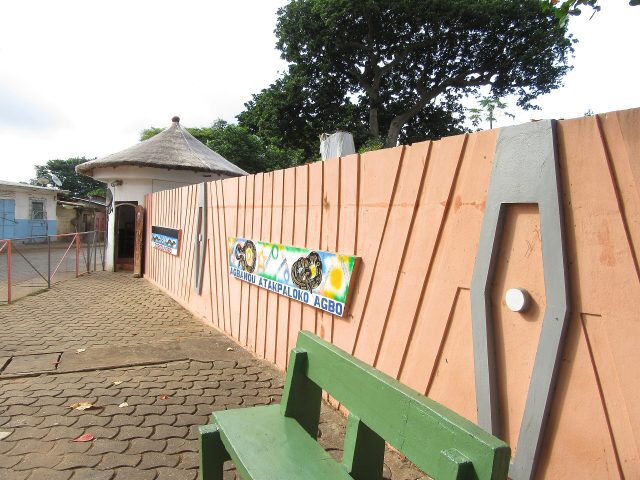
The Ouidah Museum of History sits within the walls of an 18th-century Portuguese fort, a place where the past isn’t just preserved but lingers in the very air. Built when Ouidah was one of West Africa’s busiest slave ports, the fort’s thick stone walls and weathered cannons still stand as silent witnesses to an era when thousands passed through its gates, never to return. The museum doesn’t shy away from this history—it confronts it, using artifacts, documents, and personal stories to piece together the complex layers of the region’s past.
Inside, the exhibits unfold like chapters of a story that begins long before European traders arrived. There are ceremonial masks and carved statues from the ancient Kingdom of Dahomey, tools and textiles that speak to daily life, and weapons that hint at the conflicts that shaped the region. But the most haunting displays are those tied to the transatlantic slave trade: rusted shackles, ledgers of human transactions, and the names of those who were bought and sold. These aren’t just relics; they’re reminders of how deeply history can scar a place and its people.
The museum also explores the culture of the Fon people, who have called this region home for centuries. Their traditions, from vibrant festivals to the practice of Vodun, are woven into the fabric of modern Benin. Vodun, often misunderstood outside West Africa, is presented here not as superstition but as a living spiritual tradition—one that influences art, music, and even politics. Contemporary works by local artists hang alongside historical pieces, showing how the past and present coexist in Ouidah.
The fort itself is a relic of shifting powers. Built by the Portuguese, it later fell under French control before becoming part of independent Benin. Its courtyard, once bustling with soldiers and merchants, now feels quiet, though the echoes of its past are still palpable. Walking through its arched galleries, you can almost hear the voices of those who once stood here, waiting for ships that would take them across the ocean.
Ouidah is a city where history isn’t confined to museums. After visiting, it’s worth wandering its streets, where colonial-era buildings stand beside simple homes and fishermen mend their nets on the beach. Nearby, the Door of No Return—a memorial to those who were forcibly taken from Africa—marks the spot where many began their journey into exile. The museum doesn’t just tell their stories; it connects them to the present, showing how the legacy of the slave trade still shapes the city today.
What makes the Ouidah Museum of History different from other museums is its refusal to sanitize the past. There’s no grand narrative here, no attempt to soften the harsh realities of history. Instead, it presents the facts as they are, leaving visitors to grapple with their own emotions. Some exhibits may unsettle, but that’s part of the point—history isn’t always comfortable, and this museum doesn’t pretend otherwise.
For anyone interested in Africa’s past, the museum is essential. It doesn’t offer easy answers but instead invites reflection on how history continues to influence the present. The artifacts on display aren’t just objects; they’re fragments of lives, each with its own weight and meaning. Together, they form a mosaic of a city that has endured tragedy but remains vibrant, where the past is never truly gone.
A visit here isn’t just about learning—it’s about feeling. The museum doesn’t just inform; it immerses. And when you step back outside, Ouidah itself feels different. The streets, the people, even the ocean breeze carry traces of the stories you’ve just encountered. The past isn’t something distant here; it’s alive, breathing in the spaces between the present.