The Church of the Holy Sepulchre stands in the heart of Jerusalem’s Old City, a place where history, faith, and human devotion have intertwined for nearly two thousand years. For millions of Christians around the world, this is the most sacred site in their religion—the place where Jesus is believed to have been crucified, buried, and resurrected. The church itself is a sprawling, labyrinthine complex, its stone walls bearing the marks of centuries of pilgrimage, conflict, and restoration. Walking through its dimly lit corridors, you can feel the weight of tradition pressing in from all sides, the air thick with the scent of incense and candle wax.
The origins of the church trace back to the 4th century, when Emperor Constantine’s mother, Helena, traveled to Jerusalem in search of holy sites. According to tradition, she identified the location of Golgotha—the hill where Jesus was crucified—and the nearby tomb where he was laid to rest. Constantine ordered the construction of a grand basilica over these sites, which was completed in 335 AD. That original structure was destroyed by the Persians in 614, rebuilt, then largely demolished again by the Fatimid caliph Al-Hakim in 1009. The church that stands today is largely the result of Crusader-era reconstruction in the 12th century, though it has been modified, expanded, and repaired countless times since.
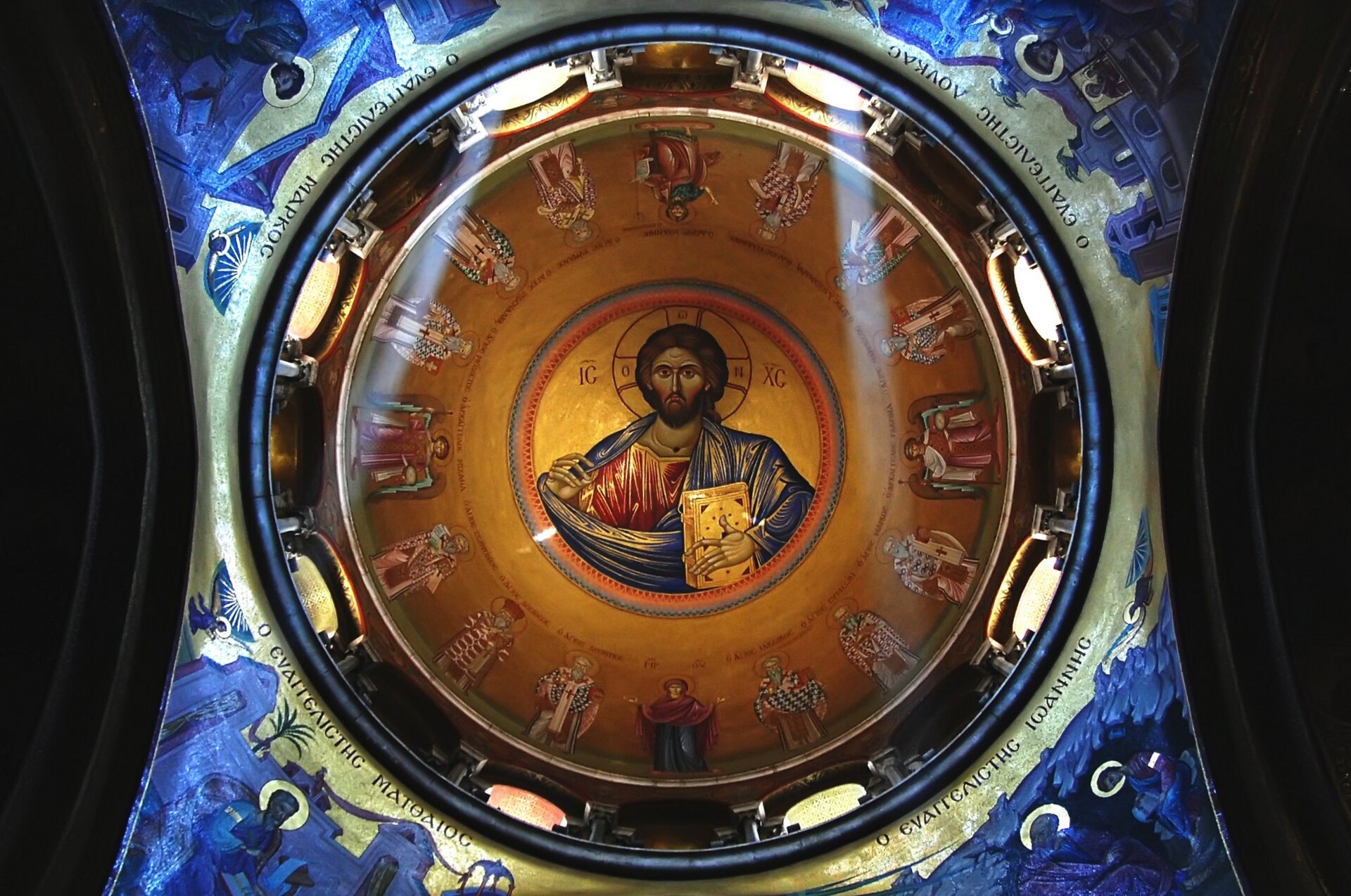
Stepping inside, the first thing that strikes you is the sheer density of the space. The church is not a single building but a collection of chapels, altars, and shrines, each belonging to different Christian denominations—Greek Orthodox, Roman Catholic, Armenian Apostolic, and others—who share custody of the site under a centuries-old arrangement known as the Status Quo. The main rotunda, with its towering dome, houses the Edicule, a small structure built over what is traditionally believed to be the tomb of Jesus. Pilgrims wait in long, patient lines to enter the tiny chamber inside, where a marble slab covers the rock-cut tomb. The atmosphere is one of quiet reverence, though the occasional murmur of prayer or the shuffle of feet on stone breaks the silence.
The church’s architecture is a patchwork of styles, reflecting the many hands that have shaped it over the centuries. The Crusader-era facade, with its weathered columns and arched doorways, gives way to Byzantine mosaics, medieval frescoes, and Ottoman-era renovations. One of the most striking features is the Stone of Anointing, a slab of limestone where, according to tradition, Jesus’ body was prepared for burial. Pilgrims kneel to kiss it or press their hands against its cool surface, leaving behind traces of oil and devotion. Nearby, a steep flight of stairs leads to Golgotha, the rocky outcrop where the crucifixion is said to have taken place. The chapel here is divided between the Greek Orthodox and Catholics, each with their own altars and rituals.
Beyond its religious significance, the Church of the Holy Sepulchre is a living museum of Christian history, a place where the layers of time are visible in every worn step and faded fresco. The Status Quo agreement, which governs the shared use of the church, has preserved not just the building but the delicate balance between its custodians. Disputes over maintenance or access are not uncommon, and even something as simple as moving a ladder can become a matter of international diplomacy—one infamous wooden ladder has remained in place on the church’s facade since the 18th century, a silent testament to the complexities of shared stewardship.
For all its grandeur, the church is also a place of intimate, personal moments. Pilgrims from every corner of the world come here to light candles, say prayers, or simply sit in quiet reflection. Some weep, others sing hymns in languages you might not recognize. The church is open to all, regardless of faith, though its spiritual power is undeniable. Even those who come as skeptics often find themselves moved by the sheer weight of human belief concentrated in this one place.
Outside the church, the streets of the Christian Quarter hum with life—vendors selling olive wood carvings, cafes serving strong Arabic coffee, and the occasional procession of monks in dark robes. The church itself is just one part of Jerusalem’s layered history, a city where every stone seems to tell a story. But within its walls, time feels suspended, as if the past and present exist side by side. Whether you come as a believer or a curious traveler, the Church of the Holy Sepulchre leaves an impression that lingers long after you’ve stepped back into the sunlight.