The Al-Aqsa Mosque stands at the heart of Jerusalem’s Old City, a place where layers of history unfold with every step. It is not just a building but a symbol woven into the fabric of three major religions, a site that has witnessed centuries of devotion, conflict, and coexistence. The mosque occupies the southern part of the Haram al-Sharif, known to Jews as the Temple Mount, a plateau that has been sacred for millennia. This is where tradition holds that the Prophet Muhammad ascended to heaven during the Night Journey, and where the First and Second Jewish Temples once stood. The weight of these narratives makes the mosque one of the most contested and revered places in the world.
The structure itself is a testament to the passage of time. The original mosque was built in the early 8th century under the Umayyad caliphate, though little of that first construction remains. What visitors see today is largely the result of reconstructions and expansions over the centuries, particularly after earthquakes that repeatedly damaged the site. The most striking feature is the silver-domed roof, which gleams against the Jerusalem sky, though the dome itself is a relatively modern addition, completed in the 20th century. The mosque’s exterior is modest compared to the grandeur of the Dome of the Rock nearby, but its simplicity belies its significance.
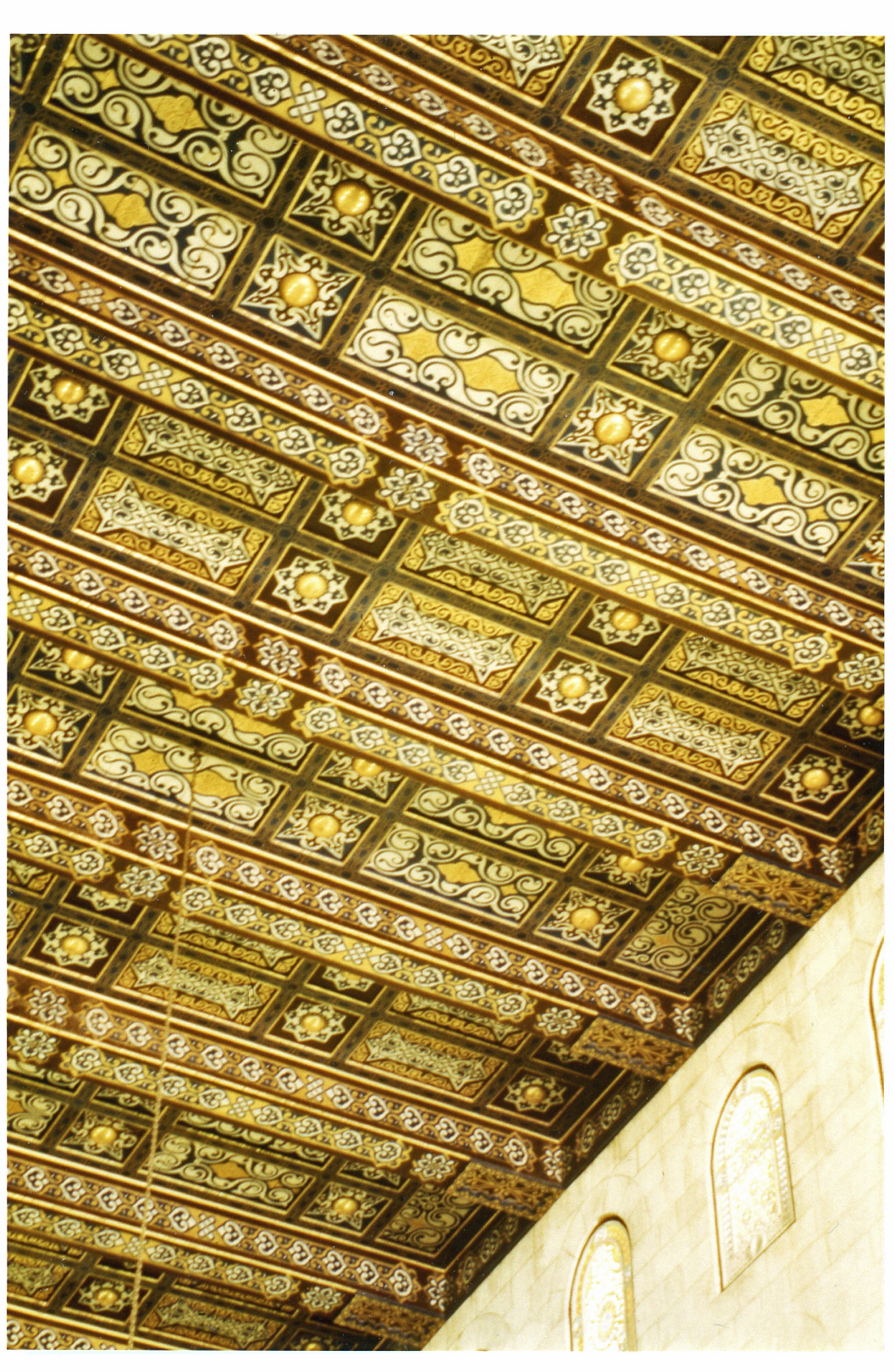
Inside, the prayer hall stretches out in a series of aisles supported by columns, some of which were repurposed from earlier Roman and Byzantine structures. The mihrab, the niche indicating the direction of Mecca, is adorned with intricate tilework, a hallmark of Islamic art that has evolved over the centuries. The wooden minbar, or pulpit, is another point of interest—though the original, a masterpiece of medieval craftsmanship, was destroyed in a fire in 1969 and later replaced. The mosque can accommodate thousands of worshippers, and on Fridays or during religious festivals, the space hums with the murmur of prayers and the rustle of robes.
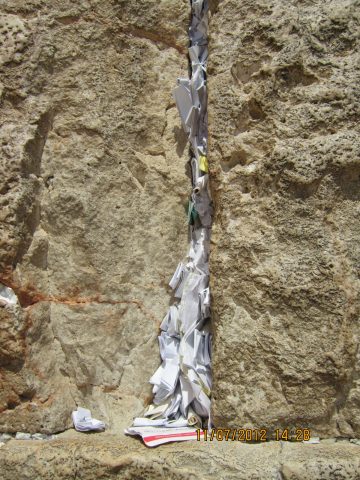
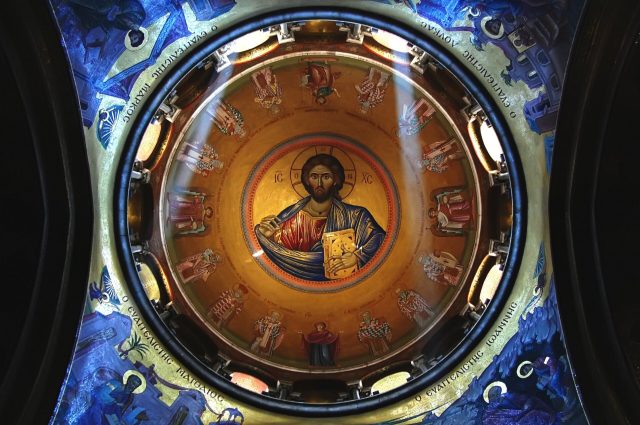
The atmosphere around Al-Aqsa is one of quiet intensity. The Haram al-Sharif is a place of pilgrimage for Muslims from around the world, but it is also a living part of Jerusalem’s daily rhythm. Locals come to pray, to study, or simply to sit in the shade of the olive trees that dot the courtyard. The compound is surrounded by high walls, a reminder of the tensions that have shaped this city, yet within its boundaries, there is a sense of sanctuary. The Western Wall, just below the plateau, draws Jewish worshippers, while Christian pilgrims often pass through on their way to the Church of the Holy Sepulchre. The proximity of these sites is a testament to Jerusalem’s unique character—a city where faiths intersect, sometimes uneasily, but always profoundly.
The history of Al-Aqsa is inseparable from the broader story of Jerusalem. After the Muslim conquest of the city in the 7th century, the site was transformed into a religious complex, with the mosque and the Dome of the Rock built to mark its significance. Over the centuries, it passed through the hands of Crusaders, who turned it into a church and later a palace, before being reclaimed by Muslim rulers. The Ottoman Empire, which controlled Jerusalem for four centuries, left its mark on the mosque’s architecture, adding elements that remain visible today. More recently, the site has been at the center of political and religious disputes, a reminder of how deeply history can shape the present.
For those who visit, Al-Aqsa offers more than just a glimpse into the past. It is a place where the spiritual and the political converge, where the act of walking through its gates can feel like stepping into another era. The early morning light filtering through the arched windows, the call to prayer echoing over the rooftops, the scent of incense lingering in the air—these are the details that make the experience vivid. Yet it is also a place that demands reflection. The stories embedded in its stones are not just about faith but about the enduring human desire to find meaning in sacred spaces.
The mosque’s role in contemporary life is as complex as its history. It remains a focal point for Muslim worship and identity, particularly for Palestinians, for whom it is a powerful symbol of heritage and resilience. At the same time, its location in East Jerusalem, an area at the heart of the Israeli-Palestinian conflict, means that access to the site is often a point of contention. For outsiders, visiting Al-Aqsa can be a deeply moving experience, but it is also one that requires an awareness of the sensitivities surrounding it. The rules governing entry are strict, and the atmosphere can shift quickly depending on the political climate.
Despite the challenges, the mosque continues to draw those who seek connection—to history, to faith, or simply to the idea of a place that has endured against all odds. It is not a museum, though it holds the weight of centuries, nor is it just a religious site, though it remains central to Islamic tradition. It is, above all, a living space, one that has adapted to the changing tides of history while retaining its essence. To stand in its courtyard or to walk through its prayer hall is to feel the pulse of Jerusalem itself—a city that has seen empires rise and fall, yet remains a beacon for those who believe in the power of sacred ground.