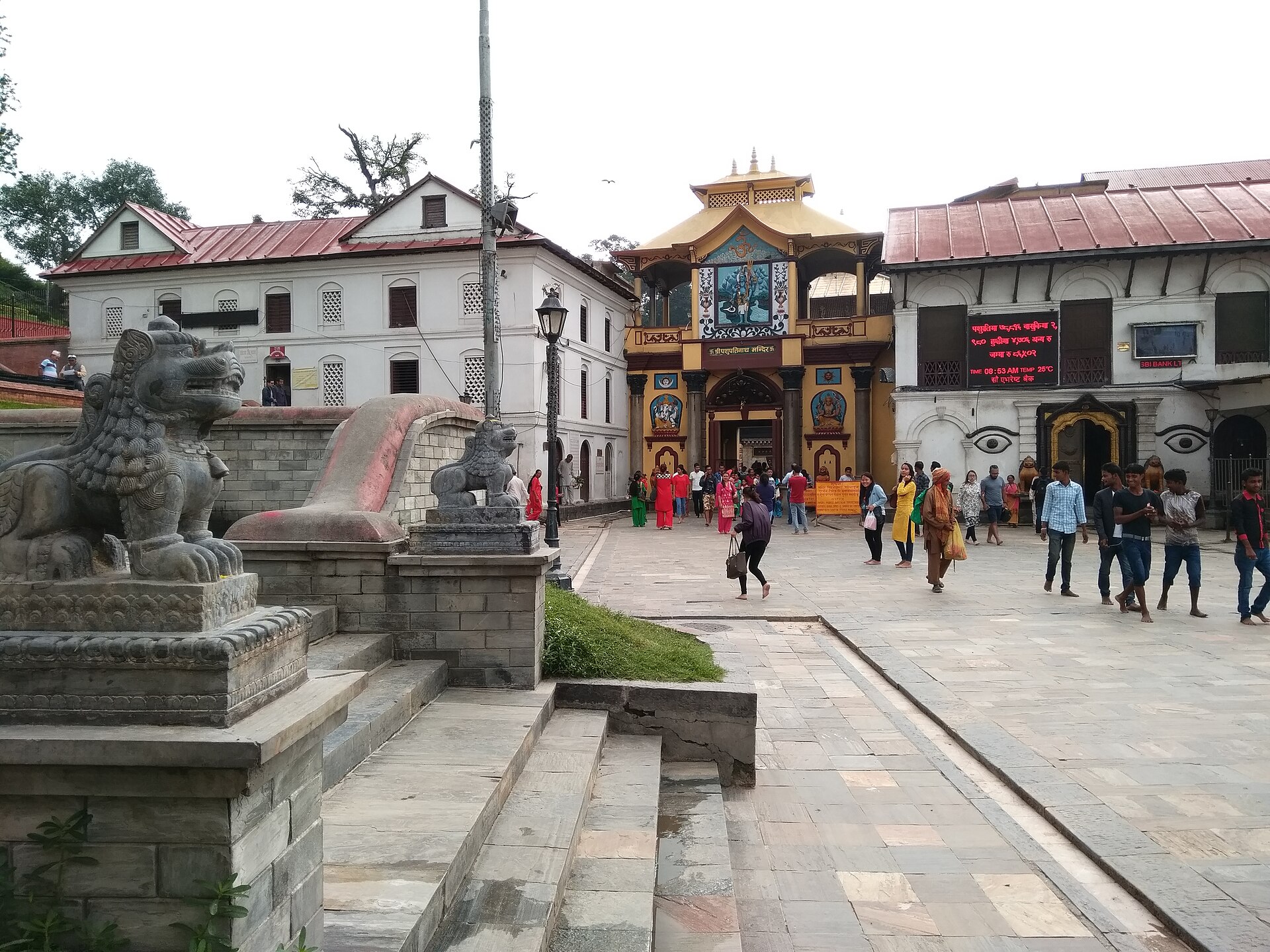
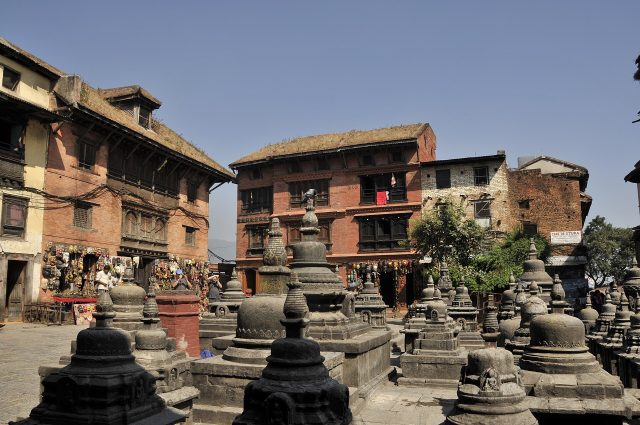
Gokarna Mahadev Temple sits on the banks of the Bagmati River, a short distance northeast of Kathmandu. It’s a place where pilgrims come to worship Shiva and families gather to honor their ancestors. The worn stone steps, the scent of incense, and the murmur of prayers drifting from the temple create an atmosphere that feels both ancient and alive. Unlike the more crowded religious sites in the valley, this one retains a quiet, unhurried rhythm, as if time moves differently here.
The temple is dedicated to Shiva in his Mahadev form, and its name, Gokarna, translates to "cow’s ear"—a reference to the divine hearing of the gods. According to legend, Shiva once took the form of an antelope and fled here to escape other deities, leaving behind a sacred space where the earth still hums with his presence. The complex includes the main shrine, smaller temples, and a ritual bathing pond, each element serving a purpose in the daily and seasonal rituals that unfold here.
The architecture follows the traditional Newari style of the Kathmandu Valley, with a tiered pagoda roof clad in copper sheets that have weathered to a soft green over the centuries. Intricately carved wooden struts support the overhanging eaves, while stone guardians stand watch at the entrance. Inside, a black lingam, the symbolic representation of Shiva, is adorned with flowers and flickering oil lamps. The space feels intimate, almost secretive, as if the rituals performed here are meant only for those who understand their significance.
One of the most poignant times to visit is during the festival of Gai Jatra, when the temple becomes the heart of remembrance. Families who have lost loved ones in the past year come to perform rituals, sending small rafts with candles down the river as drums and chants fill the air. Even those who aren’t directly participating in the ceremonies often linger by the water, drawn by the collective sense of grief and reverence. The river, though not pristine, carries a weight of sanctity that transcends its physical state.
Beyond the temple walls, life unfolds in its own unhurried way. Fields stretch toward the horizon, dotted with grazing cattle and patches of vegetables. The Bagmati River, despite its pollution, remains a vital part of daily existence—women wash clothes on its banks, children play in the shallows, and elders sit with prayer beads, murmuring mantras. The contrast between the sacred and the mundane is striking, yet they coexist seamlessly here.
For those who want to experience Nepal beyond the well-trodden paths of trekking and temples, Gokarna Mahadev offers something deeper. There are no souvenir stalls or tour groups here, just the quiet interplay of faith, nature, and human presence. The temple doesn’t demand attention; it simply exists, as it has for centuries, absorbing the devotion of those who come and the quiet rhythms of the land around it.
The best times to visit are early morning, when the rising sun gilds the temple’s copper roofs, or in the evening, when lamps are lit and the air thickens with the smoke of incense. The light shifts subtly throughout the day, casting long shadows in the afternoon and softening into a golden haze as dusk falls. There’s no need to rush—this is a place to sit, to watch, to listen.
As with many Nepali temples, modest dress is appreciated, with shoulders and knees covered. Photography inside the main shrine is discouraged, but the real experience isn’t in the images captured; it’s in the moments of stillness by the river, the murmur of prayers, and the sense of stepping into a world where the sacred and the ordinary are inseparable. Gokarna Mahadev isn’t just a temple—it’s a living piece of Nepal’s spiritual landscape, one that reveals itself slowly to those who take the time to look.