Shivapuri Nagarjun isn’t just another national park on the edge of Kathmandu. It’s where the mountains rise to meet the sky, where silence hums with ancient stories, and where the air carries the weight of centuries. Stretching along the ridge that separates the Kathmandu Valley from the Himalayas, this place feels like a world apart—one where the city’s noise fades into the rustling of leaves and the distant call of birds. There are no crowded trails here, no souvenir stalls or tour buses. Instead, there are forests that seem to go on forever, viewpoints where the snow-capped peaks float above the clouds, and paths that lead you deeper into a landscape that has changed little over time.
The park takes its name from two sacred peaks: Shivapuri and Nagarjun. Shivapuri, standing at around 2,700 meters, is believed to be the abode of Lord Shiva, and pilgrims still make the climb to its summit to pay respects to Guru Padmasambhava, the saint who founded an ashram here in the 8th century. Nagarjun, the other peak, is wrapped in dense forest where Buddha himself is said to have meditated. Locals speak of these mountains as places chosen long ago for solitude and spiritual practice, long before the first temples were built. The stories linger in the air, as if the land itself remembers.
The terrain here shifts with every step—thick oak and rhododendron forests give way to open meadows where wild orchids bloom in spring. The park is home to rare birds, including the Himalayan monal, a dazzling pheasant with iridescent feathers that has become a symbol of the region. Deer sometimes wander into view, and though leopards still roam these hills, they keep their distance. The air is cooler than in Kathmandu, even on warm days, and the wind carries the scent of pine and damp earth. It’s easy to forget you’re just an hour away from the capital.
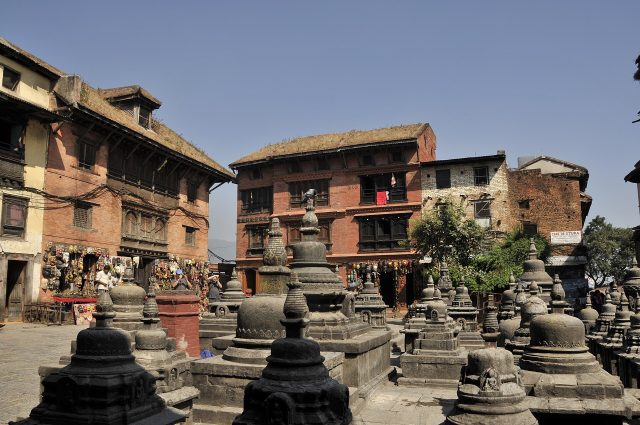
For many in Kathmandu, Shivapuri Nagarjun is an escape—a place to leave the city behind for a few hours. On weekends, families come to picnic by one of the many springs or follow trails that lead to small waterfalls. One of the most popular routes takes you to Bagdwar, the source of the sacred Bagmati River. The water here is crystal clear, and locals believe it has healing properties. Along the way, you’ll pass stone stupas and prayer flags fluttering in the breeze, reminders that this land has always been as much about faith as it is about nature.
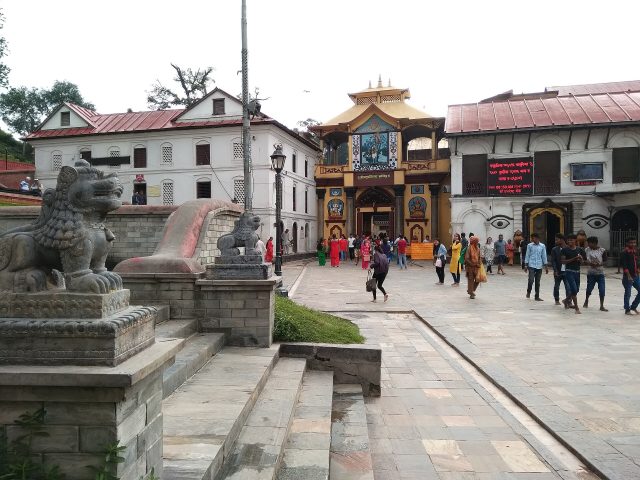
The park’s architecture is modest, but that only makes it more meaningful. On the slopes of Shivapuri, you’ll find caves where hermits once lived, their presence still felt in the quiet. In Nagarjun’s forest, the ruins of a 13th-century monastery stand as a testament to the monks who once called this place home. The main attraction, though, is the Shivapuri Baba Temple, a small stone shrine with a wooden roof, dedicated to the saint who spent his final years here. Inside, the air is still, and even visitors speak in hushed tones, as if reluctant to disturb the peace. Prayer wheels surround the temple, their gentle turning adding to the sense of timelessness.
Shivapuri Nagarjun isn’t just a spiritual retreat—it’s also a vital part of the region’s ecology. The park acts as a watershed for the Kathmandu Valley, supplying the city with drinking water. Several rivers, including the Bagmati, begin here, winding their way through the capital and beyond. In recent decades, efforts have been made to protect the park’s unique flora and fauna, with restrictions placed on development and commercial activity. The result is a place that feels untouched, where nature still sets the rules.
Visiting Shivapuri Nagarjun isn’t like ticking off a tourist attraction. There are no crowds, no guides shouting over each other, no signs pointing you in the right direction. Instead, there are trails that twist through the trees, the smell of damp earth and pine, the sound of birdsong and the distant rush of waterfalls. The hike to the top of Shivapuri takes a few hours, but every step is rewarded with views that grow more expansive the higher you climb. From the summit, you can see Kathmandu sprawled below, but the real prize is the Himalayas stretching across the horizon—Langtang and Ganesh Himal standing out against the sky.
For those who want to stay longer, there are guesthouses and ashrams where you can spend the night. The mornings here are especially magical, with mist rising from the valley and the first light of dawn painting the snow-capped peaks in soft pinks and golds. Some come for the scenery, others for the silence—a rare thing in a world that never stops moving. There’s something about sitting on a rock, listening to the wind, and realizing how little you actually need to feel content.
Shivapuri Nagarjun doesn’t demand your attention. It doesn’t need to. Instead, it invites you to discover it on your own terms. There’s no need to follow a set path or check off a list of sights. Just pick a trail and walk until you find the next spring, the next waterfall, the next viewpoint. That’s the real charm of this place—the freedom of wild landscapes and the sense that time moves differently here. It’s not about where you’re going, but about the quiet moments along the way.