Gokarna Cemetery is one of those quiet places in Nepal that rarely make it into guidebooks, yet it holds a stillness so deep it feels almost tangible. Tucked away in the Gokarna Valley on the outskirts of Kathmandu, where rolling hills give way to dense forests, the air carries the scent of damp earth and pine. Unlike the bustling temples of the capital, this place sees few visitors, though locals come often—not just to honor the dead, but to escape the city’s noise, to think, or simply to sit in the quiet company of the trees.
The cemetery’s location is no accident. Gokarna has long been considered sacred, woven into both Hindu and Buddhist traditions. Legends say Shiva himself once meditated in these hills, and the nearby Bagmati River is revered as one of Nepal’s purest. Hindus believe its waters can wash away sins, drawing pilgrims for ritual baths. The cemetery, then, is a natural extension of this sacred landscape—a place where life and death exist in the same unbroken cycle, as much a part of the land as the river or the trees.
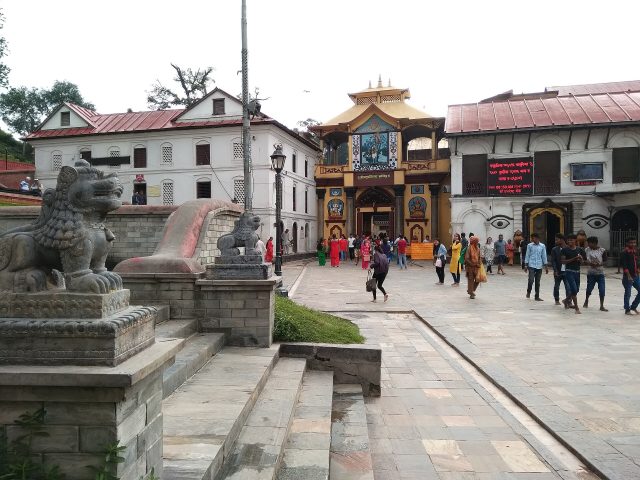
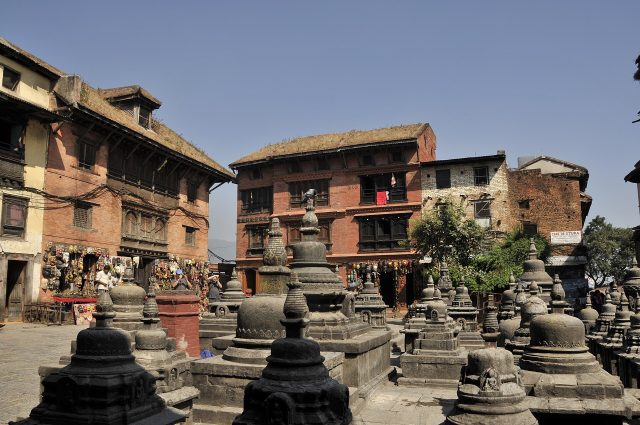
The architecture here is unassuming but striking. Graves and stupas are scattered among the trees, each one telling its own story. Some headstones bear intricate carvings, echoes of Nepal’s traditional craftsmanship, while others are simple slabs of stone with names and dates. Buddhist stupas stand alongside Hindu markers, a quiet testament to the way different faiths have coexisted here for centuries. The oldest graves, moss-covered and weathered, seem to belong to another time, as if the years pass more slowly in this corner of the valley.
What sets Gokarna apart is its atmosphere. Unlike many cemeteries, where silence can feel heavy, here it feels peaceful. The towering pines and rhododendrons create a sense of shelter, while the wind rustles through the leaves like a soft, wordless song. Locals bring flowers and light candles, but there’s no sense of grief—just quiet remembrance. Sometimes the call of a bird or the distant chime of a village bell drifts through the air, adding to the sense of harmony rather than disturbing it.
The cemetery is deeply woven into the life of the surrounding villages. It’s not just a place for burials but for rituals that honor the dead, especially during the festival of Gai Jatra. For a few days each year, families gather to remember their ancestors, bringing offerings, lighting oil lamps, and filling the air with the scent of incense. For many, it’s more than a religious observance—it’s a way to keep the past alive, to pass down stories and traditions to the next generation.
Yet Gokarna isn’t just for the devout. Artists come to sketch the play of light through the trees, photographers capture the way shadows fall across the graves, and writers find inspiration in the stillness. Even those who stumble upon it by accident during a walk in the forest often linger longer than they intended, as if the place has a way of slowing time.
In recent years, the cemetery has drawn the attention of historians and cultural researchers. Here, the evolution of Nepal’s burial traditions is visible in the changing styles of graves—from simple earthen mounds to more elaborate structures. Some headstones date back to the 19th century, their inscriptions in Sanskrit or Newari, the language of the Kathmandu Valley’s indigenous people. For scholars, each name and date is a piece of history that might otherwise have been lost.
Gokarna isn’t the kind of place you’d make a special trip for if you’re only in Nepal for a few days. But if you have time to wander beyond the usual sights, if you want to see the country not just through its temples and mountains but through the quiet rhythms of everyday life, then this cemetery might leave a lasting impression. There are no crowds, no souvenir stalls, no guides trying to sell you a story. Just silence, trees, and the memory of those who came before. And perhaps that’s the real magic of places like this—the way they remind us that some things endure, even when the world around them changes.