Kharkiv Zoo is one of those places that feels like a quiet survivor of another era, tucked away in the heart of Ukraine’s second-largest city. It opened in 1896, making it one of the oldest zoos in Eastern Europe, and over the decades, it has seen wars, revolutions, and economic upheavals—yet it remains a living piece of the city’s history. The zoo was founded by a group of local naturalists and philanthropists who wanted to create a space where people could observe animals up close, a radical idea at the time. Back then, Kharkiv was a thriving industrial and cultural hub under the Russian Empire, and the zoo quickly became a symbol of progress and curiosity. Today, walking through its paths, you can still sense that original spirit, even if the surroundings have changed.
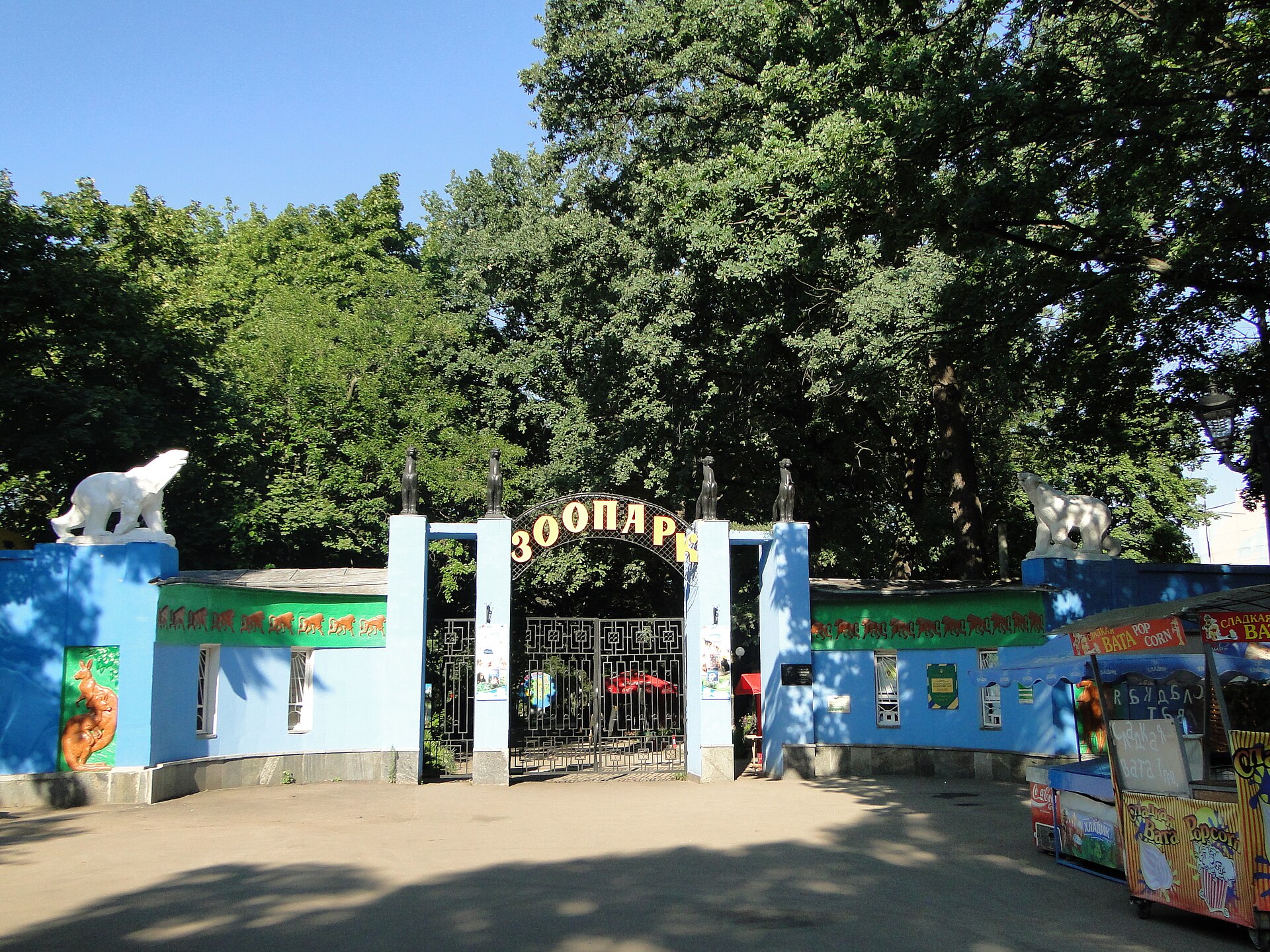
The layout of the zoo is a mix of old and new, with some enclosures dating back to the early 20th century and others built more recently. The older sections have a certain charm, with their weathered stone walls and iron railings, while the newer ones try to balance modern standards of animal care with the constraints of an urban space. One of the most striking features is the central pond, surrounded by willow trees and benches where visitors can sit and watch the ducks and swans glide across the water. It’s a small oasis in a city that can feel overwhelmingly concrete and fast-paced. The zoo isn’t vast—it covers about 22 hectares—but it’s dense with life, from the chatter of monkeys to the occasional roar of a lion carried on the wind.
The collection of animals here is diverse, though not as extensive as in some of the world’s larger zoos. You’ll find the usual suspects: big cats, bears, elephants, and primates, as well as a variety of birds, reptiles, and smaller mammals. Some of the enclosures are more impressive than others. The aviary, for example, is a bright, airy space where birds flit between branches, while the big cat area feels a bit cramped by comparison. The zoo has made efforts to improve living conditions over the years, but like many older institutions, it struggles with limited funding and the challenges of maintaining a space that was designed for a different time. Still, the animals are well cared for, and the staff clearly take pride in their work.
What makes Kharkiv Zoo special isn’t just the animals, but the way it fits into the fabric of the city. It’s a place where families come on weekends, where school groups gather for educational tours, and where elderly couples stroll along the shaded paths. During the warmer months, the zoo is alive with the sounds of children laughing, ice cream vendors calling out their flavors, and the occasional street musician playing near the entrance. In winter, it takes on a quieter, almost magical quality, with snow dusting the trees and the animals moving more slowly in the cold. The zoo has seen generations of Kharkiv residents pass through its gates, and for many, it’s a place tied to childhood memories—first encounters with a giraffe’s long neck, the excitement of feeding a goat, or the simple joy of a day spent outdoors.
The history of the zoo is closely tied to the turbulent history of Kharkiv itself. During World War II, the city was occupied by German forces, and the zoo suffered significant damage. Many of the animals were lost, and the buildings were left in ruins. After the war, the zoo was rebuilt, but it wasn’t until the 1960s and 70s that it began to regain its former glory. The Soviet era brought new challenges, including ideological shifts in how zoos were perceived—no longer just places of entertainment, but centers for education and conservation. Kharkiv Zoo adapted, expanding its collection and introducing programs to teach visitors about wildlife. When Ukraine gained independence in 1991, the zoo faced another period of uncertainty, but it managed to survive, even as the country’s economy fluctuated wildly.
Today, the zoo is a microcosm of Kharkiv’s resilience. The city has faced its share of hardships in recent years, from economic struggles to the ongoing war in eastern Ukraine, and the zoo has not been immune to these challenges. Yet it endures, a reminder of the city’s ability to hold onto its identity even in difficult times. The staff continue to care for the animals, the visitors keep coming, and the zoo remains a place where life, in all its messy, beautiful complexity, is on full display. It’s not a perfect place—some enclosures are outdated, funding is always a concern, and the shadow of war looms large—but that’s part of what makes it real. It’s a living institution, shaped by history and the people who keep it going.
For visitors, Kharkiv Zoo offers a chance to step away from the hustle of the city and reconnect with something simpler. There’s no grand spectacle here, no roller coasters or flashy exhibits, just the quiet rhythm of animals going about their day. The zoo is at its best in the early morning or late afternoon, when the light is soft and the crowds are thinner. That’s when you might catch a glimpse of the zookeepers at work, hear the distant call of a peacock, or watch a child’s face light up at the sight of a penguin waddling across its enclosure. It’s these small moments that make the zoo feel like more than just a collection of animals—it’s a place where people and wildlife intersect, if only for a little while.
If you’re visiting Kharkiv, the zoo is worth a stop, not because it’s the most impressive in the world, but because it offers a glimpse into the city’s soul. It’s a place where history, nature, and everyday life come together in an unassuming way. You won’t find luxury here, but you will find something rarer: a sense of continuity, of a place that has seen the world change around it and yet remains steadfast. Whether you’re a local revisiting old memories or a traveler looking for a quiet corner of the city, the zoo invites you to slow down, look around, and remember what it means to simply be present.