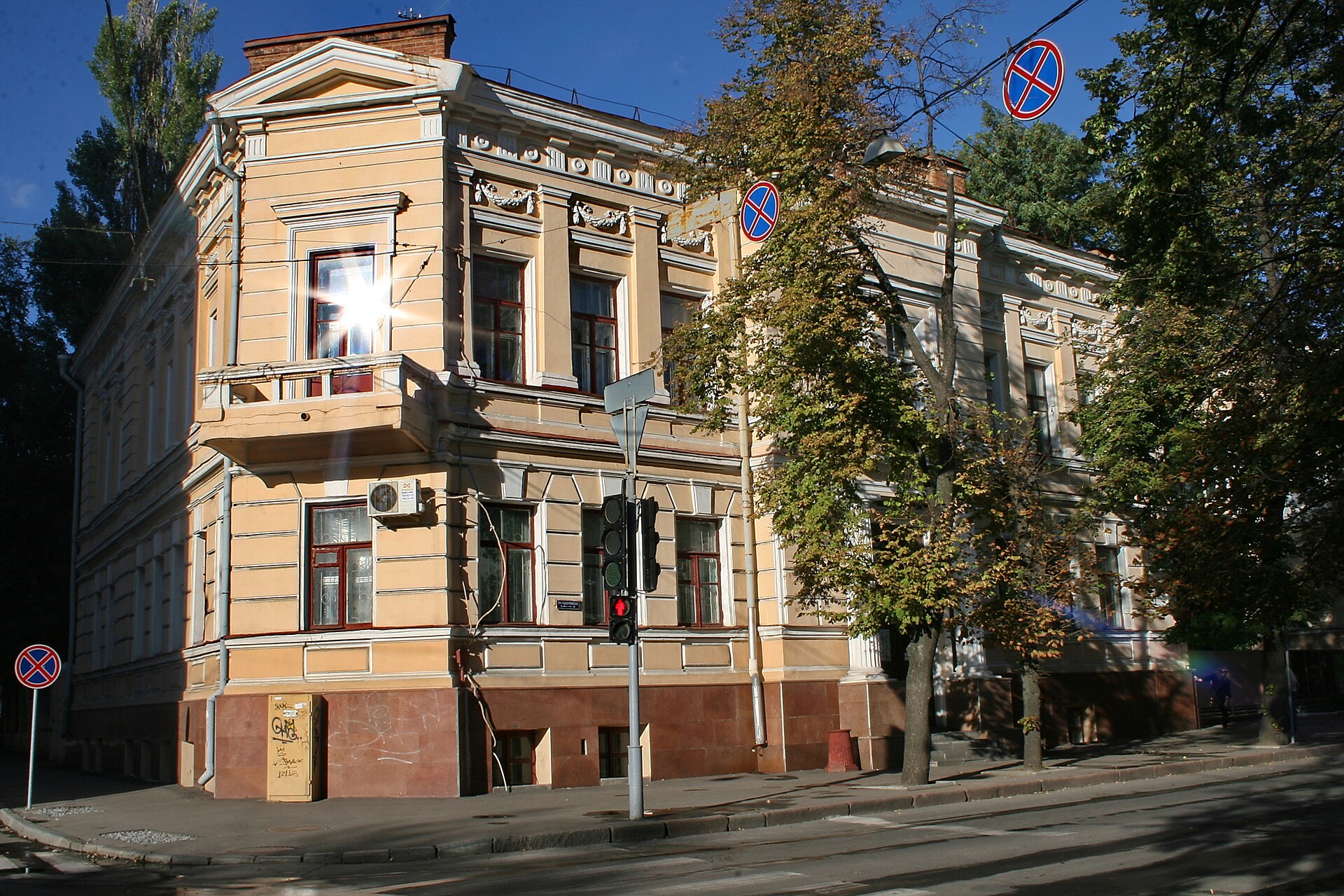
Kharkiv Art Museum is one of those places where history feels alive not through grand monuments or dramatic ruins, but through the quiet persistence of art. Housed in a stately 19th-century mansion on a quiet street in the city center, the museum doesn’t immediately announce itself as a cultural landmark. There’s no towering facade or neon sign—just a modest entrance tucked between trees, as if the building itself prefers to let the art speak first. Inside, the atmosphere is unhurried, almost intimate, the kind of place where you might spend an afternoon wandering from one room to another without feeling rushed by crowds or guided by rigid itineraries.
The museum’s collection began in the late 1800s, when a group of local art enthusiasts and philanthropists decided Kharkiv needed a proper space to preserve and display works by Ukrainian and Russian artists. At the time, the city was a thriving cultural hub, a place where intellectuals, writers, and painters gathered in cafés and salons to debate ideas. The original core of the collection came from private donations, including pieces by Ilya Repin, one of the most celebrated Russian realist painters of the era, who was born not far from Kharkiv. Over the decades, the museum expanded, absorbing works from other institutions and private collections, especially after the upheavals of the 20th century, when art often became a casualty of political turmoil.
Walking through the galleries, you notice how the collection reflects the shifting tides of history. The early rooms are filled with 19th-century landscapes and portraits, works that capture the romanticism and realism of the time. There are serene Ukrainian steppes painted in soft, golden hues, and stern-faced merchants and landowners staring out from canvases with an almost unsettling directness. These pieces feel like windows into a world that no longer exists—one of horse-drawn carriages, long letters written by candlelight, and the slow, unhurried rhythm of provincial life. Later, the museum’s holdings grew to include avant-garde works from the early 1900s, when artists in Kharkiv and beyond were experimenting with bold colors and abstract forms, challenging the conventions of their time.
One of the museum’s most striking features is its collection of Ukrainian modernist art, a movement that flourished in the 1920s and early 1930s before being suppressed under Stalin’s regime. These works are a testament to a brief but vibrant period of artistic freedom, when painters like Oleksandr Bohomazov and Vasyl Yermilov were pushing boundaries with their dynamic compositions and innovative techniques. The museum doesn’t shy away from the darker chapters of this history—some of these artists were later persecuted, their works banned or destroyed, and their names erased from public memory. Seeing their paintings displayed here feels like a small act of restoration, a way of reclaiming a piece of cultural heritage that was nearly lost.
The building itself is worth paying attention to. Constructed in the late 1800s as a private residence, it was designed in the neoclassical style, with high ceilings, ornate moldings, and large windows that flood the rooms with natural light. The original owners were a wealthy merchant family, and the house was meant to impress—though today, the grandeur feels understated, more like a dignified backdrop for the art than a showpiece in its own right. During World War II, the building suffered damage, and for a time, it seemed like it might not survive. But after the war, it was restored, and the museum reopened in the 1950s, gradually regaining its place as one of Kharkiv’s cultural anchors.
What makes the museum special isn’t just the quality of its collection, but the way it tells a story about the city itself. Kharkiv has always been a place of contrasts—industrial yet intellectual, Russian-speaking yet deeply Ukrainian, a city that has reinvented itself time and again. The art here reflects those layers: the quiet beauty of the countryside, the energy of urban life, the tension between tradition and innovation. Some of the works feel distinctly local, like the paintings of Kharkiv’s streets and parks from the early 20th century, while others connect to broader artistic movements, tying the city to a larger cultural narrative.
Visiting the museum today, you might notice how the space has adapted to modern times. There are temporary exhibitions that bring in contemporary artists, as well as educational programs and workshops that invite visitors to engage with the collection in new ways. Yet the core of the museum remains unchanged—a quiet, thoughtful place where art isn’t just displayed but preserved, where each painting or sculpture carries the weight of history without feeling like a relic. It’s the kind of museum that doesn’t try to dazzle you with spectacle, but instead offers something more enduring: a chance to slow down, look closely, and see the world through someone else’s eyes.
If you find yourself in Kharkiv, the museum is worth a visit not just for the art, but for the sense of continuity it provides. In a city that has seen so much change—wars, revolutions, economic booms and busts—it’s a reminder that some things endure. The building has stood for over a century, the collection has survived against the odds, and the art itself remains a bridge between past and present. You don’t need to be an expert to appreciate it; you just need to be willing to spend a little time in its company. And in a world that often feels rushed, that might be the most valuable thing of all.