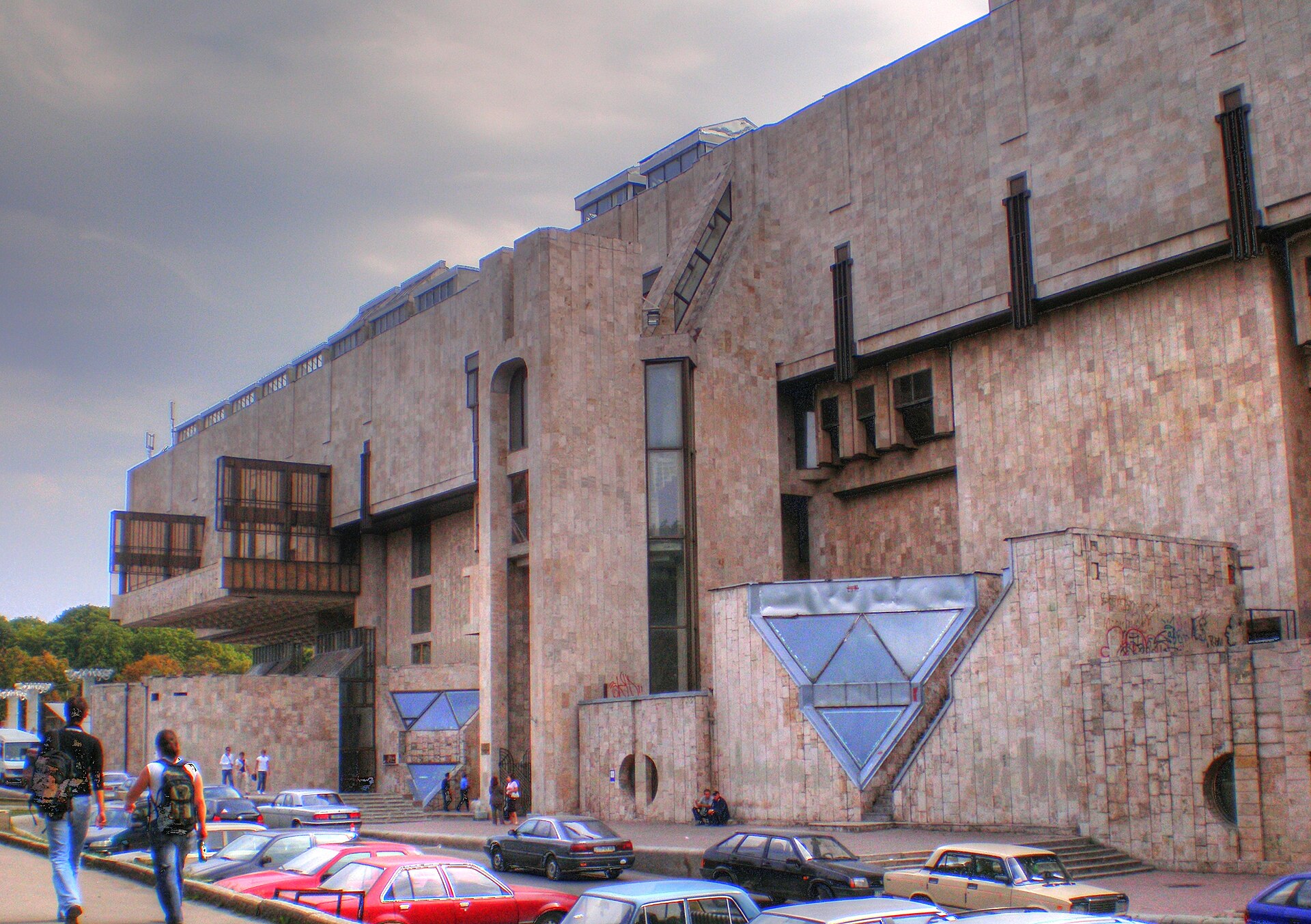
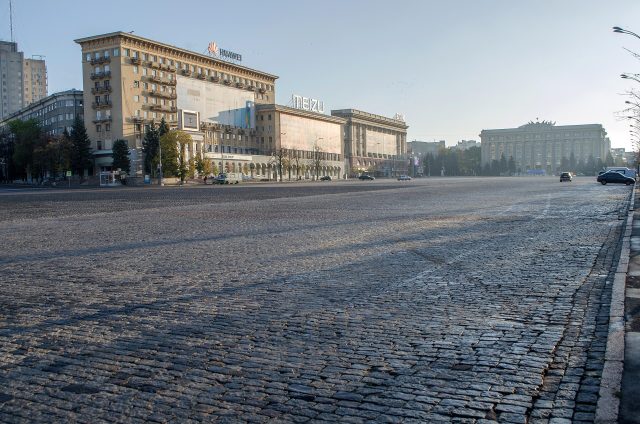
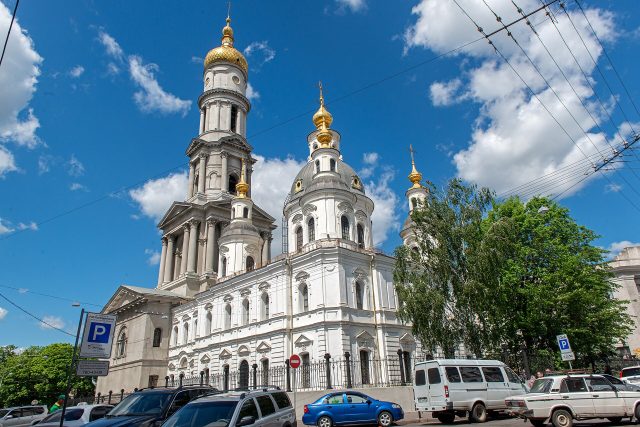
Kharkiv’s Opera and Ballet Theatre stands as one of Ukraine’s most significant cultural landmarks, a place where music, movement, and history intertwine. Opened in 1925, it was built during a period of ambitious artistic revival in the city, when Kharkiv served as the capital of Soviet Ukraine. The theatre’s architecture reflects the grandeur of that era—a blend of neoclassical and constructivist styles, with a sweeping façade that commands attention even from a distance. Inside, the auditorium is a study in elegance, with tiered balconies curving around a stage that has hosted generations of performers, from local talents to international stars.
The theatre is named after Mykola Lysenko, a composer whose work laid the foundation for Ukrainian classical music. His legacy is woven into the institution’s identity, though the building itself has seen many transformations. Originally, the site housed a smaller theatre, but as Kharkiv grew into a cultural hub, the need for a larger, more modern venue became clear. The current structure was designed by a team of architects led by Oleksiy Beketov, whose vision combined functionality with a sense of monumental beauty. The result is a space that feels both intimate and imposing, where every detail, from the gilded moldings to the acoustically refined walls, serves the performances on stage.
Over the decades, the theatre has been a witness to history. During World War II, it suffered damage from bombings but was restored in the postwar years, a testament to the city’s resilience. The Soviet era brought both opportunities and constraints—while the theatre flourished as a center for opera and ballet, its repertoire was often shaped by political expectations. Yet even within those limitations, it became a platform for artistic excellence, nurturing talents who would go on to perform on stages across Europe. After Ukraine gained independence, the theatre embraced a broader range of works, including contemporary pieces and Ukrainian compositions that had long been overlooked.
Today, the Opera and Ballet Theatre remains a vital part of Kharkiv’s cultural life. Its season runs from autumn to spring, offering a mix of classic and modern productions. Audiences can expect everything from Tchaikovsky’s *Swan Lake* to lesser-known Ukrainian operas, all performed by the theatre’s resident company. The ballet troupe, in particular, has earned a reputation for precision and emotional depth, while the opera singers are known for their powerful voices and dramatic presence. The orchestra, too, plays a crucial role, with conductors often drawing out nuances in the music that might go unnoticed elsewhere.
Beyond the performances, the theatre is a place where Kharkiv’s artistic community gathers. Rehearsals, workshops, and masterclasses take place behind the scenes, fostering the next generation of dancers, singers, and musicians. The building itself is a point of pride for locals, not just for its cultural significance but for its role in the city’s daily rhythm. On performance nights, the square in front of the theatre buzzes with anticipation as patrons arrive, some dressed in their finest, others in more casual attire, all drawn by the promise of an evening spent in the company of great art.
The atmosphere inside the theatre is one of quiet reverence before the curtain rises, followed by bursts of applause that echo through the hall. The acoustics are carefully calibrated to carry every note, whether it’s the delicate strains of a violin or the full force of a soprano’s voice. The lighting, too, plays its part, shifting from warm golds to cool blues to match the mood of each scene. For those who attend regularly, there’s a sense of familiarity—certain seats with the best views, the ritual of intermission conversations in the foyer, the way the building seems to hum with energy even when the stage is dark.
Kharkiv’s Opera and Ballet Theatre is more than just a venue; it’s a living archive of the city’s artistic soul. The walls have absorbed decades of applause, the stage has borne the weight of countless stories, and the seats have held generations of spectators. In a city that has seen its share of upheaval, the theatre endures as a symbol of continuity, a place where the past and present coexist. Whether you’re a first-time visitor or a seasoned patron, stepping into the auditorium feels like entering a space where time slows down, and for a few hours, the outside world fades away.
For those unfamiliar with Ukrainian opera or ballet, the theatre offers a chance to discover something new. The productions are accessible without being simplistic, blending technical skill with emotional storytelling. Even if the language of the libretto is unfamiliar, the music and movement speak universally. And while the theatre’s exterior may seem imposing, the experience inside is welcoming—there’s no need for formalities, just an openness to the art unfolding on stage.
In recent years, the theatre has faced challenges, like many cultural institutions in Ukraine. Yet it continues to adapt, finding ways to keep its doors open and its stage alive. The resilience of Kharkiv’s artistic community is reflected in the theatre’s ongoing work, a reminder that art has the power to endure even in difficult times. For anyone visiting the city, a night at the Opera and Ballet Theatre is more than just entertainment; it’s a glimpse into the heart of Kharkiv itself.