Jaragua is one of those places where the Dominican Republic reveals itself in a way few travelers ever see. Far from the all-inclusive resorts of Punta Cana or the polished streets of Santo Domingo, this corner of the country feels untouched by time. Located in the southwestern province of Pedernales, right along the border with Haiti, Jaragua is where the land still dictates the pace of life. There are no crowded beaches or luxury spas here—just raw nature, quiet moments, and the sense that you’ve stepped into a world where humans are merely visitors.
The name Jaragua carries echoes of the island’s distant past. Before Columbus arrived, this region was part of one of the five chiefdoms that divided Hispaniola among the Taíno people. Their presence lingers in the name, a reminder of a time when these lands were part of a larger, borderless world. Today, Jaragua is best known as a national park, one of the largest in the country, stretching over a thousand square kilometers across the Barahona Peninsula. It encompasses everything from rugged mountain ranges to mangrove swamps and arid plains, all hugging the edge of the Caribbean Sea.
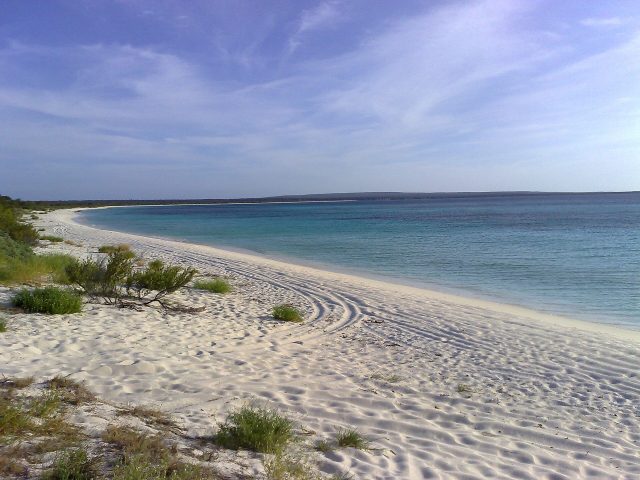
What makes Jaragua so striking is its contrasts. Within its boundaries, you’ll find landscapes that seem borrowed from different continents. There are dry stretches that resemble the African savanna, where cacti stand tall against the wind, and dense tropical forests where vines twist around ancient trees and the air hums with the scent of damp earth and blooming flowers. Along the coast, white sand beaches curve into the turquoise water, while inland, caves and grottos hide stories of runaway slaves and pirates who once sought refuge here. One of the park’s most intriguing spots is Lake Oviedo, a saltwater lagoon surrounded by mangroves. Locals say its waters are home to rare fish, and its shores attract birds found nowhere else on the island.
The Sierra de Baoruco mountains, which cut through the park, form a world of their own. Though not as towering as the Cordillera Central to the north, their slopes are carved by deep ravines, and their peaks often vanish into low-hanging clouds. Here, patches of untouched forest shelter endemic plants, and trails wind past wild animals—iguanas sunning themselves on rocks, peccaries rooting through the underbrush, and, if you’re lucky (or unlucky), the Dominican Republic’s only venomous snake, the Hispaniolan racer. Birdwatchers flock to Jaragua for its diversity; flamingos wade in the shallows, pelicans dive for fish, and parrots squawk from the treetops.
What draws people to Jaragua isn’t the promise of entertainment or convenience. There are no guided tours with set itineraries, no souvenir shops, no restaurants with English menus. Instead, there’s a sense of freedom—of wandering without a plan, listening to the waves crash against the shore, or watching the sunset paint the sky in shades of orange and violet. The locals, mostly fishermen and farmers, live at a slower pace, and their hospitality feels genuine, not performative. They might point you toward a hidden beach, share a meal of freshly caught fish, or simply nod in greeting as you pass by.
Pedernales, the nearest town, is a quiet place where life moves to its own rhythm. There are no high-end hotels or fancy cafes, just a handful of streets lined with modest homes and a market where vendors sell tropical fruits, spices, and the day’s catch. A few colonial-era buildings remain, but the town isn’t a destination for sightseeing. It’s a place to experience the unfiltered reality of rural Dominican life—a jumping-off point for exploring the park by car, motorbike, or with a local guide who knows the trails like the back of their hand.
Jaragua isn’t for those seeking nightlife or luxury. There are no beachfront bars, no water sports, no crowds. What it offers instead is space—space to breathe, to think, to simply be. You can spend a day on a secluded beach where the sand squeaks underfoot and the water is so clear you can see the fish darting below. Or you can hike into the mountains, where the view from the top stretches endlessly toward the horizon. In the evenings, the air fills with the scent of salt and blooming frangipani, and the stars seem brighter than anywhere else.
For many, Jaragua is a revelation. It’s where the Dominican Republic sheds its reputation as a resort destination and reveals itself as a country with deep history, wild beauty, and a soul all its own. Here, you can sense what this land was like before mass tourism, when its rhythms were set by the tides and the seasons. If you ever find yourself in Pedernales, take the time to venture into the park. You might just discover something far more meaningful than a postcard-perfect beach.