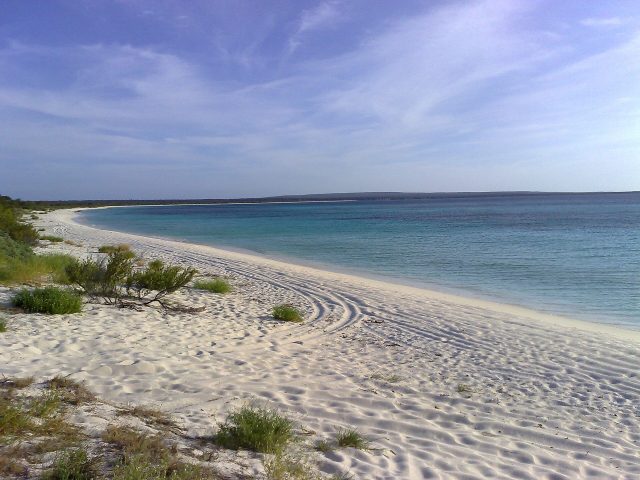
Jaragua National Park is one of those rare places in the Dominican Republic where nature still sets the rules. Tucked away in the southwestern corner of the country, near the town of Pedernales, the park covers a vast stretch of the Barahona Peninsula, running along the Caribbean coast. Unlike the crowded resorts and manicured beaches elsewhere on the island, Jaragua feels untouched—wild, quiet, and unapologetically raw. Here, you’ll find rugged cliffs, windswept beaches, and mangrove swamps teeming with life, much of it found nowhere else in the world. The park isn’t just a protected area; it’s a glimpse of what the Dominican Republic looked like long before tourism reshaped its shores.
Established in 1983, Jaragua was created to preserve the region’s fragile ecosystems, spanning over three hundred square kilometers of land and coastal waters. The landscape is a study in contrasts: dry tropical forests, typical of the southwest, give way to lush mangroves that shelter countless birds and marine species. Flamingos wade in shallow lagoons, pelicans dive for fish, and the endangered Hispaniolan amazon—a parrot once on the brink of extinction—can still be spotted among the trees. Offshore, dolphins and humpback whales pass through during migration season, especially between December and March, when the waters come alive with their presence.
One of the park’s most striking spots is Las Aguitas Bay, a secluded cove framed by towering cliffs. The water here is so clear it feels like swimming in liquid glass, and at high tide, a natural pool forms along the shore, perfect for a quiet dip. Reaching the bay isn’t easy—it requires a bumpy ride down a dirt road—but the journey is part of the experience. Local guides often take visitors by boat to hidden corners of the park, places where the land feels truly untamed. There’s something thrilling about standing on a beach where the only footprints in the sand might be your own.
For those interested in history, the Cave of the Faces, or Las Caritas, offers a rare connection to the island’s past. The cave walls are adorned with petroglyphs—carvings of human faces, animals, and abstract symbols—left behind by the Taíno people, the island’s original inhabitants. Archaeologists debate the exact age of these markings, but most agree they’re at least five hundred years old. The cave lies deep in the forest, accessible only by a hike through dense vegetation, but the effort is worth it. Standing in the dim light, surrounded by these ancient carvings, it’s impossible not to wonder about the lives of the people who once called this place home.
The climate in Jaragua is hot and dry, particularly from December to April, when temperatures can soar above thirty degrees Celsius and rain is scarce. The best time to explore is early morning or late afternoon, when the sun isn’t as relentless. From May to November, the rainy season transforms the landscape—rivers swell, forests turn lush and green, and the air hums with life. However, the rains can also make some of the park’s remote trails and roads nearly impassable, so planning ahead is key.
There’s no luxury here, no all-inclusive resorts or beachfront bars. Accommodation is simple: a handful of eco-lodges and guesthouses near the park’s edges, where locals sometimes rent out rooms to travelers. Some hosts offer home-cooked meals—grilled fish, fried plantains, or *chivo*, a traditional goat stew. Pedernales, the closest town, has a few small shops and cafés where you can stock up on supplies before heading into the park. But don’t expect convenience; this is a place where you bring what you need and leave the rest behind.
Jaragua isn’t for everyone. There are no guided tours with air-conditioned buses, no souvenir stands, no promises of Instagram-worthy moments. It’s a place for those who want to experience the Dominican Republic beyond the postcards—where the land is still wild, the history is tangible, and the silence is broken only by the wind and the waves. You might spend a day wandering empty beaches, following trails that have been walked for centuries, or sitting by a fire under a sky dense with stars. The park doesn’t offer answers, just a reminder: nature isn’t a backdrop. It’s alive, indifferent, and far older than any of us. And for a little while, you’re just passing through.