Nestled in the southwestern corner of Cameroon, where the Atlantic Ocean meets dense tropical forests, Limbe is a town shaped by the raw forces of the earth. The Volcanic Museum here offers more than just a collection of rocks and minerals—it’s a quiet conversation between science and the land’s living history. The region’s geology is written in layers of lava and ash, and this small museum tries to make sense of it all, translating the language of volcanoes into something tangible.
The museum’s exhibits trace the story of Mount Cameroon, one of Africa’s most active volcanoes, which looms over the coastline like a sleeping giant. Its eruptions have left their mark not just on the landscape but on the people who live in its shadow. The displays include samples of hardened lava, pumice, and volcanic ash collected from the mountain’s slopes, each piece telling a fragment of the region’s fiery past. The most recent eruptions, in 1999 and 2000, sent rivers of molten rock flowing toward the foothills, reshaping the terrain and leaving behind a stark reminder of nature’s unpredictability. Photographs and maps from those years capture the scale of the events, while personal accounts from locals add a human dimension to the science.
What makes the museum unique is its focus on the intersection of geology and culture. For many communities in Cameroon, volcanoes are not just geological phenomena but sacred sites steeped in myth. Mount Cameroon, known locally as *Mongo ma Ndemi* (Mountain of Greatness), is believed to be home to spirits, and rituals to appease these forces are still practiced today. The museum doesn’t shy away from this side of the story, displaying traditional artifacts and explaining how volcanic soils have shaped agriculture in the region. The fertile land around the mountain, enriched by ancient eruptions, supports cocoa and coffee plantations, which have long been vital to the local economy.
The building itself is unassuming, designed to blend into its surroundings rather than dominate them. Large windows let in natural light, which plays across the rough surfaces of the rocks on display. The layout guides visitors from the basics of volcanology—how eruptions form, what different types of lava look like—to the specifics of Mount Cameroon’s history. Interactive elements, like models showing how volcanic rocks form or simple tests to identify minerals, make the science accessible, especially for younger visitors. The museum is small, and its collection can’t compete with the grand exhibits of major institutions, but that intimacy is part of its charm. Here, the focus is on the local, the personal, the stories that don’t always make it into textbooks.
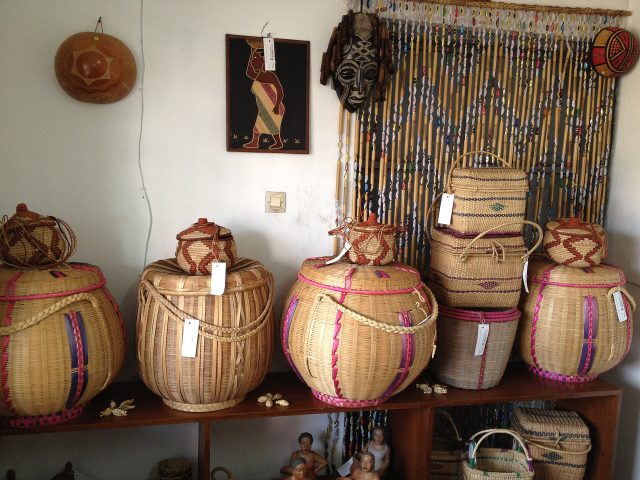
Limbe, where the museum is located, has a layered history of its own. Founded in the late 19th century as a British colonial outpost, it grew into a bustling port and trading hub. Today, the town retains a sense of cultural fusion, where African traditions coexist with European influences. The markets overflow with tropical fruits, spices, and handmade crafts, while the architecture reflects a mix of styles. The Volcanic Museum fits neatly into this context, serving as both a scientific resource and a cultural touchstone. It’s a place where the past—both geological and human—feels immediate and alive.
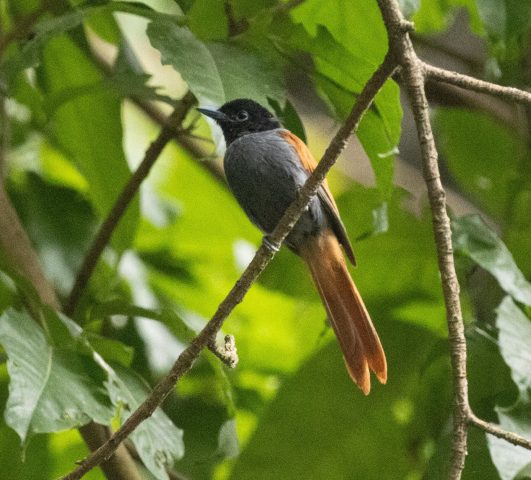
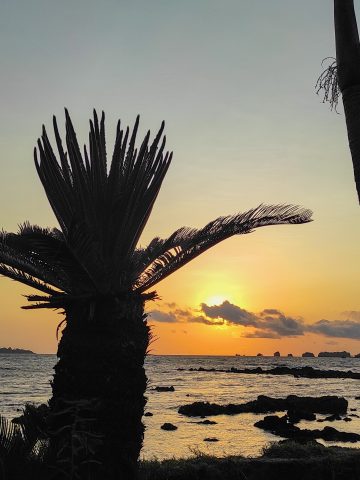
A visit to the museum pairs well with exploring the surrounding area. Just outside Limbe, the tropical forests of the region are home to rare birds and monkeys, while the black sand beaches along the coast offer a striking contrast to the usual golden shores. The Limbe Botanic Garden, a short distance away, showcases the region’s diverse plant life, much of it adapted to the volcanic soil. Together, these places paint a picture of a landscape where nature and human life are deeply intertwined, sometimes harmoniously, sometimes in tension.
What the Volcanic Museum does best is remind visitors of the humility that comes with living alongside forces far greater than ourselves. There’s no grand narrative here, no attempt to dramatize the science. Instead, the museum presents the facts—the rocks, the eruptions, the stories—and lets them speak for themselves. It’s a place that invites curiosity rather than awe, where the quiet power of the earth is allowed to take center stage. For those passing through Limbe, it’s a small but meaningful stop, a chance to pause and consider the ground beneath their feet.