Limbe Market is where the city reveals itself without pretense—no tourist facades, no curated experiences, just the raw rhythm of daily life. There are no marked paths or explanatory signs, only the sounds of bargaining, the hum of conversation, and the rich tapestry of scents that define the place. As a port city on Cameroon’s southwestern coast, Limbe has always been a crossroads, and its market is more than just a place to trade; it’s the heartbeat of the community. Here, fishermen from the Atlantic shore mingle with farmers from the foothills and artisans from nearby villages, each bringing what they’ve grown, caught, or crafted. The result is a living snapshot of local culture, where every stall tells a story.
The market’s architecture is simple but practical, designed to withstand the elements. Long rows of corrugated metal roofs shield vendors and shoppers from the harsh sun and sudden tropical downpours. Beneath them, stalls overflow with goods—freshly caught fish still glistening from the ocean, piles of unfamiliar fruits, and heaps of spices that fill the air with warmth. The fish section is particularly lively, with sardines, tuna, and barracuda laid out alongside rarer catches like sea bass or even shark, often cleaned and filleted right in front of customers. Nearby, mounds of breadfruit, mangosteens, and durian sit beside more familiar bananas and pineapples, their vibrant colors drawing the eye.
Spices are where the market truly comes alive. Cameroon’s cuisine is bold and flavorful, and the spices here reflect that tradition. Vendors display heaps of red pepper, ginger, and garlic, as well as lesser-known ingredients like nigella seeds and African basil leaves. Many sellers offer homemade blends, mixing herbs and spices according to family recipes passed down through generations. The aromas—smoky, sweet, and pungent—mingle with the scent of grilled fish, fresh bread, and charred meats, creating an atmosphere that lingers in memory long after you’ve left.
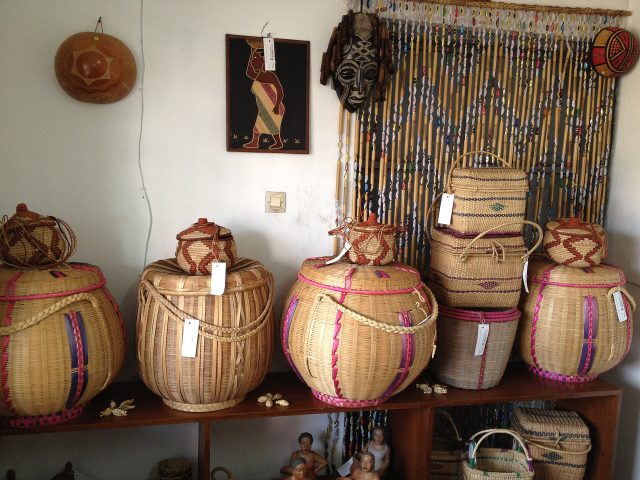
But the market isn’t just about food. It’s a place where you can find almost anything, from handmade clay pots and woven baskets to plastic basins and cheap Chinese lanterns. Bright bolts of fabric, some with traditional African patterns, others with modern prints, are stacked in colorful piles, often bought by local tailors who turn them into custom clothing. There are stalls selling household electronics, secondhand bicycles, and even the occasional motorbike. The variety is staggering, reinforcing the sense that this isn’t just a market—it’s a microcosm of life itself, where everything you might need is within reach.
Limbe’s history is intertwined with that of its market. The city was founded in the late 19th century as Victoria by British missionary Alfred Saker and quickly became a key port for exporting goods from Cameroon’s interior. Over time, it grew into a major trading hub, drawing merchants from across West Africa. The market has always been central to this story, a place where local traders, European merchants, and African middlemen converged. Today, it retains that role, though its appearance has changed—wooden stalls have given way to metal roofs, and donkeys have been replaced by trucks and motorcycles. Yet the essence remains the same: a place of exchange, not just of goods, but of ideas and connections.
Unlike the frantic pace of larger city markets, Limbe’s has a relaxed, almost leisurely rhythm. There’s no jostling or urgency; people take their time examining goods, haggling over prices, and catching up with neighbors. Vendors often recognize regular customers by name, and trust is built over years of transactions. Here, shopping is as much about socializing as it is about commerce—an opportunity to share news, gossip, or simply pass the time with friends. The market is a place where relationships matter as much as the goods being sold.
For first-time visitors, the market can feel overwhelming—loud, chaotic, and without clear organization. But spend a few hours wandering its aisles, and the logic begins to reveal itself. While there’s no strict division like in a supermarket, there’s an unspoken order: fishermen cluster near the edges, farmers occupy another section, and artisans display their wares in distinct rows. Locals navigate it effortlessly, and even outsiders start to pick up on the nuances—where to find the best fruit, the freshest spices, or unique souvenirs like wooden masks and beaded jewelry.
More than just a place to shop, Limbe Market offers a glimpse into the city as locals experience it. There are no tourist traps, no pushy guides—just the unfiltered reality of daily life. You can sit on a bench and watch the world go by, or sample dishes prepared right on the spot: grilled fish with fiery pepper sauce, fufu with peanut soup, or juicy slices of mango. Whether you’re searching for rare spices, vibrant fabrics, or simply the feeling of authenticity that’s so hard to find elsewhere, the market delivers.
In recent years, Limbe has started attracting more visitors, but the market remains a place for genuine experiences, not Instagram photos. There are no picture-perfect corners, just the messy, vibrant reality of life in all its forms—loud, colorful, and unapologetically real. For many travelers, it’s the market that leaves the deepest impression, far more than any monument or museum. Because here, you don’t just see the city—you feel its pulse, understand its people, and experience Cameroon not as a postcard, but as it truly is.