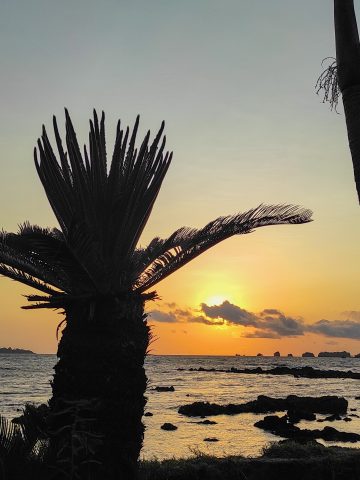
Limbe Beach stretches along Cameroon’s southern Atlantic coast, where dense rainforests meet the ocean in a quiet, untamed embrace. The shore here is unlike the postcard-perfect white sands of more famous destinations—its dark volcanic grains, scattered with palm fronds and mangrove roots, tell a different kind of story. Behind the beach, the slopes of Mount Cameroon rise like a green wall, their misty peaks often lost in the clouds. The water stays warm year-round, though the waves can be rough, especially during the rainy season when the ocean churns and crashes against the shore with a deep, rhythmic roar.
Limbe itself is more than just a coastal town; it’s a place where history and daily life have long been shaped by the sea. In the late 19th century, British missionaries and traders settled here, leaving behind traces of their presence in the weathered colonial architecture—old mansions with wide verandas, churches with arched windows, and government buildings that still carry the weight of another era. The beach, though, has always been a working part of the city. Fishermen mend their nets on the sand, wooden canoes bob in the shallows, and the scent of salt and drying fish lingers in the air. Even now, the rhythm of life here moves to the tides, not the clock.
The black sand underfoot is a reminder of Mount Cameroon’s fiery past. One of Africa’s most active volcanoes, its ancient eruptions sent rivers of lava flowing toward the coast, where they cooled and broke down into fine, dark particles. Over centuries, the ocean carried these grains back to shore, creating a beach that feels almost otherworldly. Locals sometimes speak of its healing properties, though science hasn’t weighed in on the claim. What’s certain is that the sand absorbs heat quickly, turning scorching under the midday sun—better to walk here in the early morning or late afternoon, when the light softens and the fishermen’s voices carry across the water as they haul in their catch.
A promenade runs parallel to the beach, where on weekends families gather, vendors sell fresh pineapples and coconuts, and children kick soccer balls between the palm trees. There are no luxury resorts or beachfront bars here, just a handful of simple cafés serving cold beer and grilled fish with spicy sauces. The ocean water isn’t crystal clear—rivers flowing from the interior muddy it slightly—but that doesn’t stop locals from swimming or trying their hand at surfing. The waves aren’t as powerful as those on Africa’s western coast, making this a forgiving spot for beginners. The surf scene is still small, with no rental shops or instructors, but the laid-back vibe makes it easy to give it a try.
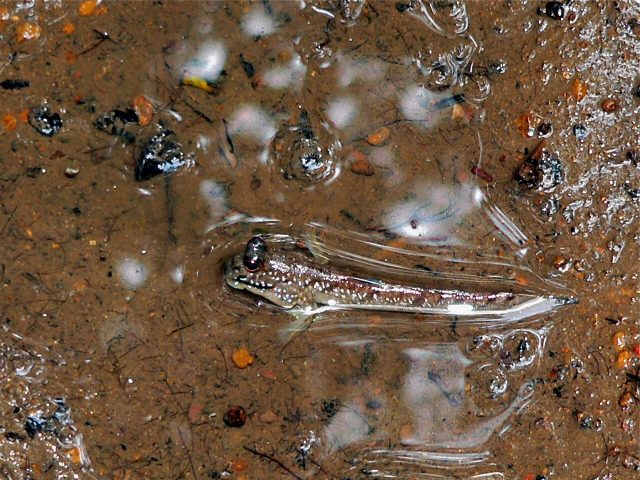
Beyond the beach, mangrove forests stretch into the distance, their tangled roots sheltering crabs and small fish. At low tide, the exposed mudflats invite adventurous souls to wander deeper into the mangroves, though the rising water can cut off the return path quickly. Those who venture in might spot herons, kingfishers, or even migratory birds passing through. The mangroves are also a quiet hunting ground for locals, who gather shellfish or cast nets in the shallow pools. It’s a place where nature feels close, untouched by the usual trappings of tourism.
Limbe isn’t a destination for those seeking polished luxury or endless entertainment. There are no crowds, no nightclubs, no guided tours promising the "real Africa." Instead, it offers something rarer: a glimpse of Cameroon as it is—unhurried, a little rough around the edges, but warm in its own way. The beach is just one piece of that, though perhaps the most vivid. Here, you can sit with a cup of coffee as the waves roll in, or walk along the shore where the ocean leaves behind driftwood, seashells, and the occasional piece of sea glass. The town moves at its own pace, and the beach is very much a part of that rhythm.
Mornings belong to the fishermen, who push their canoes into the water before dawn, their voices low as they prepare for the day’s work. By midday, the beach is alive with activity—nets spread out to dry, fish cleaned and salted, children playing in the shallows. As evening falls, the promenade lights up, and teenagers gather to dance to music blaring from phones. Occasionally, festivals or local celebrations spill onto the sand, but more often than not, life here is quiet, ordinary. To some, it might seem uneventful, but that’s where its charm lies. There’s no performance, no curated experience—just the steady, unfiltered pulse of a coastal town.
If you’re lucky, you might spot dolphins breaking the surface in the distance, their sleek bodies gliding through the waves. Sometimes, fishing boats or cargo ships pass by on their way to Douala’s port, a reminder that this stretch of coast is part of a much larger world. The ocean here isn’t just a backdrop; it’s a highway, a provider, a force that has shaped life in Limbe for generations. There’s no grandeur to it, just a quiet, enduring presence.
This isn’t a beach for those who expect perfection—no sun loungers, no lifeguards, no guarantees of calm waters. But if you’re looking for a place where Cameroon reveals itself without pretense, where the rhythm of life is set by the tides and the wind, then Limbe is worth the visit. The key is to let go of expectations and simply let it be what it is: a stretch of dark sand, a working coastline, a town that lives by the sea. It won’t dazzle you, but it might just leave you with something more lasting—a sense of having touched a place that hasn’t been smoothed over for tourists, where the ocean’s raw beauty is still allowed to speak for itself.