Nestled along the slopes that gently descend toward the Atlantic, Limbe Botanical Gardens feels like a place where time moves differently. The air carries the salt of the ocean, mingling with the earthy scent of damp soil and the rustle of leaves overhead. This isn’t just a collection of plants—it’s a living archive of Cameroon’s history, shaped by the hands of colonial botanists, local farmers, and the relentless patience of nature itself.
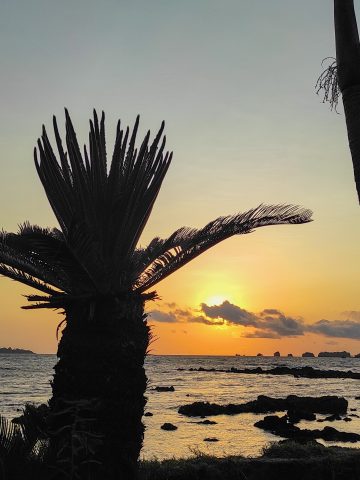
The gardens were established in the late 19th century, when this part of Africa was still under German control. Back then, the town was called Victoria, and the garden served a practical purpose: testing and adapting crops that could fuel the colonial economy. Rubber, coffee, and cocoa were among the first plants cultivated here, their seeds and saplings carefully nurtured to thrive in the humid coastal climate. Some of the oldest trees still stand today—towering silk-cotton trees with roots that sprawl like ancient fingers, and slender palms that sway above the canopy. Walking beneath them, it’s easy to imagine the garden as it was over a century ago, a place where science and survival intertwined.
What makes these gardens unusual is how little they resemble the manicured parks of Europe. There are no straight paths or symmetrical flowerbeds here. Instead, the trails wind organically through the vegetation, sometimes narrowing to little more than a footpath before opening into a sunlit clearing. In one corner, bamboo groves creak in the wind, their hollow stems bending like reeds. In another, ferns unfurl in dense clusters, their fronds casting intricate shadows on the ground. Orchids cling to tree trunks, their delicate blooms appearing almost by accident, as if nature had paused to leave something beautiful behind. Some flower only once every few years, making a sighting feel like a quiet reward for patience.
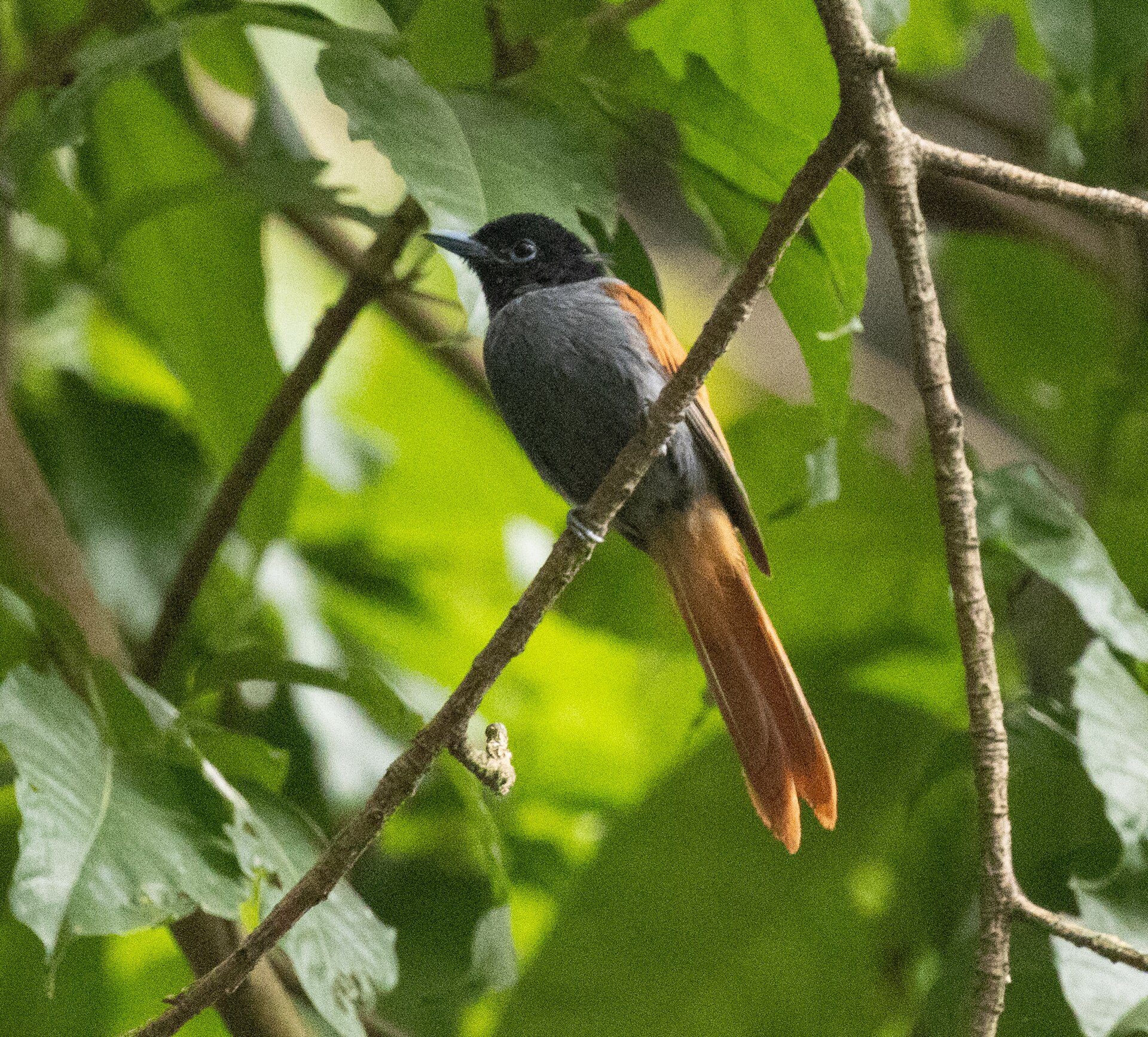
The gardens aren’t just about plants. They’re a refuge for creatures that have learned to coexist with the changing landscape. Birds flit between the branches—weavers with their intricate nests, turacos flashing emerald and crimson in the sunlight, and the occasional kingfisher darting low over the undergrowth. Chameleons cling to leaves, shifting color almost imperceptibly, while butterflies drift between flowers in slow, deliberate arcs. The sounds here are soft: the hum of insects, the distant crash of waves, the occasional call of a bird. It’s a place where the outside world feels far away, even though the city of Limbe is just beyond the trees.
Limbe itself has always been a crossroads. Founded by British missionaries in the 1850s, it became a key port on Cameroon’s coast, changing hands between German, French, and British rule over the decades. The botanical gardens absorbed these shifts, evolving from a colonial experiment into a center for studying West Africa’s native flora. Some of the original structures still stand—a weathered well, a crumbling stone wall—silent reminders of the people who once worked here. Yet the garden has outlasted them all, growing wilder and more diverse with each passing year.
For locals, the gardens are more than a tourist spot. They’re a place to escape the heat and noise of the city, where families spread out blankets for picnics and children chase each other between the trees. On weekends, the air fills with laughter and the scent of grilled fish, as groups gather under the shade of old mango trees. Elders sit on benches, watching the world go by, while vendors sell fresh coconut water from roadside stalls. The garden has become part of the rhythm of life here, a green oasis where people come to slow down and breathe.
What’s striking about Limbe Botanical Gardens is how unassuming it is. There are no grand entrances or flashy signs, and many visitors pass by without realizing what lies beyond the modest gate. But that’s part of its charm. The gardens don’t demand attention—they simply exist, offering a glimpse of the natural world as it was meant to be. You might come for the plants, but you’ll stay for the quiet moments: the way sunlight filters through the leaves, the sudden view of the ocean through a gap in the trees, or the rare flower blooming just when you least expect it.
It’s the kind of place where you can lose track of time. One moment, you’re following a narrow path through a thicket of vines; the next, you’re standing in an open space where the wind carries the sound of the sea. There’s no rush, no prescribed route. You could spend an hour here or an entire afternoon, and each visit would feel different. Maybe you’ll notice a bird you didn’t see before, or stumble upon a hidden corner where the air is cooler and the light softer. Or maybe you’ll just sit on a bench and listen to the leaves, letting the garden remind you that some things don’t need to be hurried.
In a world where so much is curated and controlled, Limbe Botanical Gardens feels refreshingly untamed. It’s not a museum, not a theme park, not a place designed to impress. It’s simply a patch of earth where nature has been allowed to do what it does best: grow, adapt, and endure. And if you’re lucky enough to wander its paths, you might just leave with a sense of having touched something timeless.