West Yellowstone is the last town before the wild takes over. Here, the road narrows, the sound of engines fades, and the land opens up. It’s Montana’s main gateway to Yellowstone National Park—a place where the modern world pauses and the wilderness beyond starts to pull you in.
The town grew in the early 1900s as a stop for travelers heading to the park’s geysers and canyons. Trains and horse-drawn carriages once brought them here; now, paved streets lead to low-slung wooden buildings. Diners serve strong coffee and trail advice. Shops sell bear spray and maps—everything you need before stepping into country where self-reliance matters.
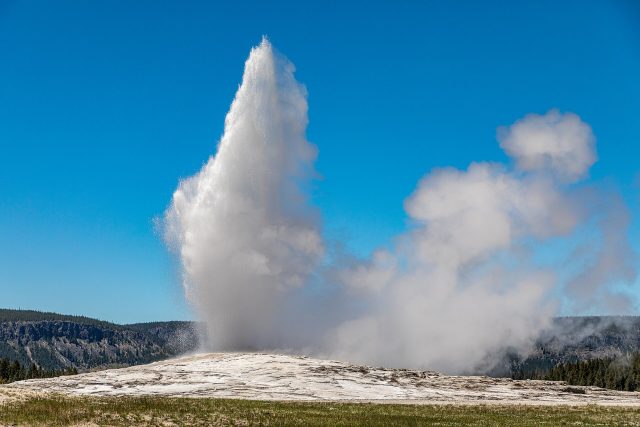
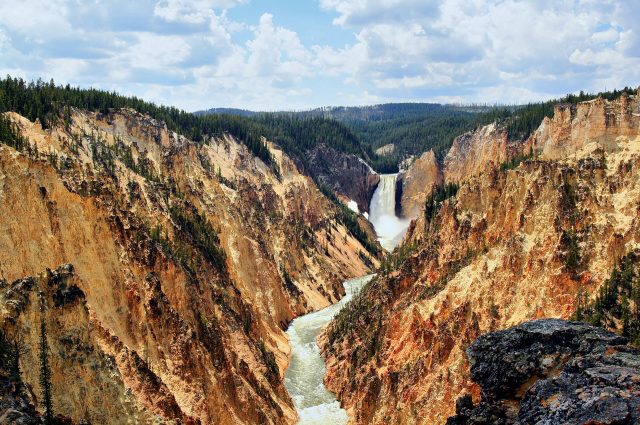
The gateway itself is a stone-and-timber arch from the 1930s. It’s plain, just a marker where the pavement ends and the park begins. But for many, it’s the moment the reality of where they’re going hits. Beyond it lies over two million acres of wilderness: bison crossing roads, wolves howling, steam rising from the earth. This is where you start toward Old Faithful, the Grand Canyon of the Yellowstone, the lake that was once an ancient sea.
In summer, the town buzzes with travelers checking gear and swapping stories. The air smells of pine and campfire smoke. In winter, snow quiets everything. The only movement comes from snowmobiles heading into the park’s frozen expanse. The gateway changes then—less an entrance, more a reminder that this land belongs to the cold and the wild.
Yellowstone became the world’s first national park in 1872. The gateway represents that invitation—a passage into a landscape that shaped how we see nature. It’s also a checkpoint. Rangers remind visitors: stay on trails, keep distance from wildlife, leave no trace. This isn’t a theme park. It’s an ecosystem that demands respect.
The town moves to the rhythm of the park. Locals—guides, conservationists, shop owners—know West Yellowstone isn’t just a pit stop. It’s where anticipation builds. Families plan their first road trip. Photographers scout for light. Scientists study the land. What brings them together? The sense that something extraordinary lies ahead.
Crossing under that arch changes how you see things. The noise of everyday life fades. Wind moves through lodgepole pines. A river rushes in the distance. Time slows. You step back—not just in miles, but in centuries. The land looks much the same as it did when the first explorers saw it. The gateway isn’t just a boundary. It’s a reminder of how small we are.
The gateway is more than an entrance. It’s a symbol of what’s at stake. Millions pass through each year. The park’s fragility is part of its power. Its geysers, its wildlife, its very existence depend on those who visit. West Yellowstone doesn’t just welcome travelers. It asks something of them: to see this place, to carry its lessons, to remember that some landscapes aren’t just destinations. They’re responsibilities.