The Yellowstone National Park Museum sits quietly in the small town of West Yellowstone, just outside the park’s western entrance. It’s the kind of place where history doesn’t just hang on the walls—it breathes. There’s no grandiosity here, no overwhelming scale of a major city museum. Instead, the exhibits feel intimate, almost personal, as if the story of America’s first national park is being told by someone who was there from the beginning.
The museum traces the shifting relationship between people and this wild landscape over the past century and a half. In the 1800s, Yellowstone was seen as untamed and perilous, a place where only the hardiest explorers dared to venture. For the Indigenous tribes who had lived on these lands for generations—the Shoshone, Crow, and others—it was sacred ground, a living part of their culture. Then, in 1872, something extraordinary happened: the U.S. government declared Yellowstone a national park, not for its resources or strategic value, but simply because it was too remarkable to lose. The museum captures that pivotal moment, showing how an idea that once seemed radical—preserving nature for its own sake—slowly took hold around the world.
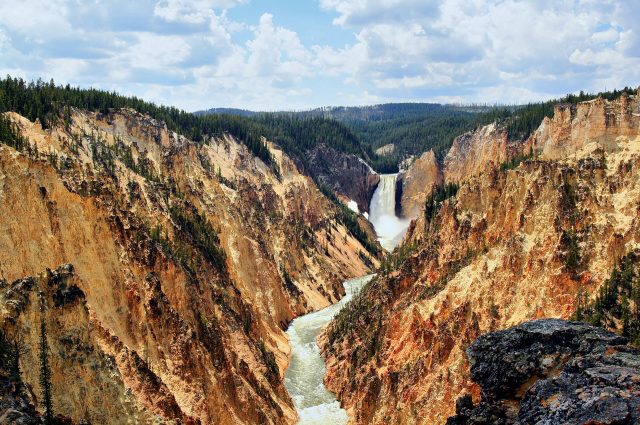
One of the most compelling parts of the museum is its focus on the early explorers who risked everything to document Yellowstone’s wonders. Men like Ferdinand Hayden led expeditions into the unknown, mapping geysers, canyons, and hot springs with little more than basic tools and sheer determination. Their journals, sketches, and equipment are on display, offering a glimpse into the challenges they faced. These weren’t just scientific missions; they were acts of discovery that would shape how the world saw the American West. The museum doesn’t glorify their struggles but presents them honestly, letting the artifacts speak for themselves.
The building itself is a piece of history. Constructed in the early 20th century, it reflects the rustic style that became synonymous with national parks—wooden beams, large windows, and open spaces that invite visitors to linger. There’s no rush here, no crowds jostling for a better view. The layout encourages slow exploration, with each exhibit given room to tell its story. It’s the kind of place where you might spend an hour reading a single display, absorbing details that later make the park itself feel even more alive.
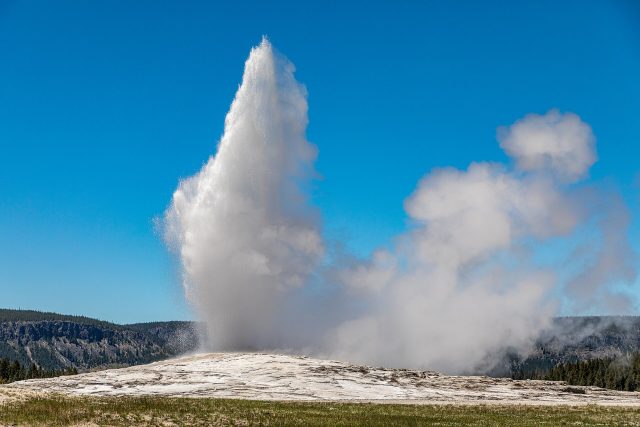
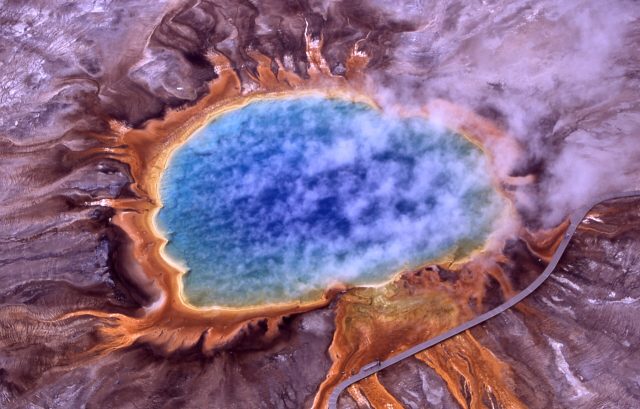
Beyond the human story, the museum delves into the natural forces that make Yellowstone unique. Visitors learn about the supervolcano simmering beneath the surface, the way hot springs carve the landscape, and why this region became a haven for wildlife like bison, grizzly bears, and wolves. The exhibits explain how conservation efforts have evolved over time, from early attempts to manage tourism to modern programs aimed at restoring ecosystems. It’s a reminder that protecting a place like Yellowstone isn’t just about keeping it beautiful—it’s about understanding the delicate balance that makes it thrive.
A dedicated section honors the Indigenous peoples who called these lands home long before European settlers arrived. Tools, clothing, and artwork from the Shoshone, Crow, and other tribes are displayed with care, not as relics of a vanished past, but as part of an ongoing story. The museum doesn’t exoticize their cultures; instead, it acknowledges their deep connection to the land and the ways their knowledge shaped the region. For too long, their contributions were overlooked, and this space feels like a small but important step toward correcting that.
For anyone planning a trip into Yellowstone, the museum serves as a practical guide as well as a historical one. It offers insights into the park’s vastness, its must-see sights, and the unspoken rules that keep both visitors and wildlife safe. Why you shouldn’t approach a bison, how to behave near a geyser, which trails might be closed—these aren’t just warnings but lessons in how to experience the park responsibly. The knowledge sticks because it’s presented not as a list of dos and don’ts, but as part of a larger conversation about respect and stewardship.
What makes the museum special isn’t just the information it provides, but the way it makes you feel. It’s not a place where you passively observe; it’s where you start to see yourself as part of something bigger. The story of Yellowstone isn’t just about geysers and canyons—it’s about the people who fought to protect it, the scientists who study it, and the visitors who carry its legacy forward. By the time you leave, the park isn’t just a destination; it’s a responsibility. And that, more than anything, is what makes the museum worth visiting.