Materuni Waterfall is one of those places in Tanzania that draws visitors not for its fame, but for the quiet promise of something real. Tucked away in the foothills of Kilimanjaro, near the village of Materuni, it feels worlds apart from the well-trodden tourist paths. The air here carries the scent of damp earth and fresh foliage, and the only sounds are the rush of falling water, the calls of birds, and the unhurried pace of life among the locals, for whom the waterfall has long been part of everyday existence.
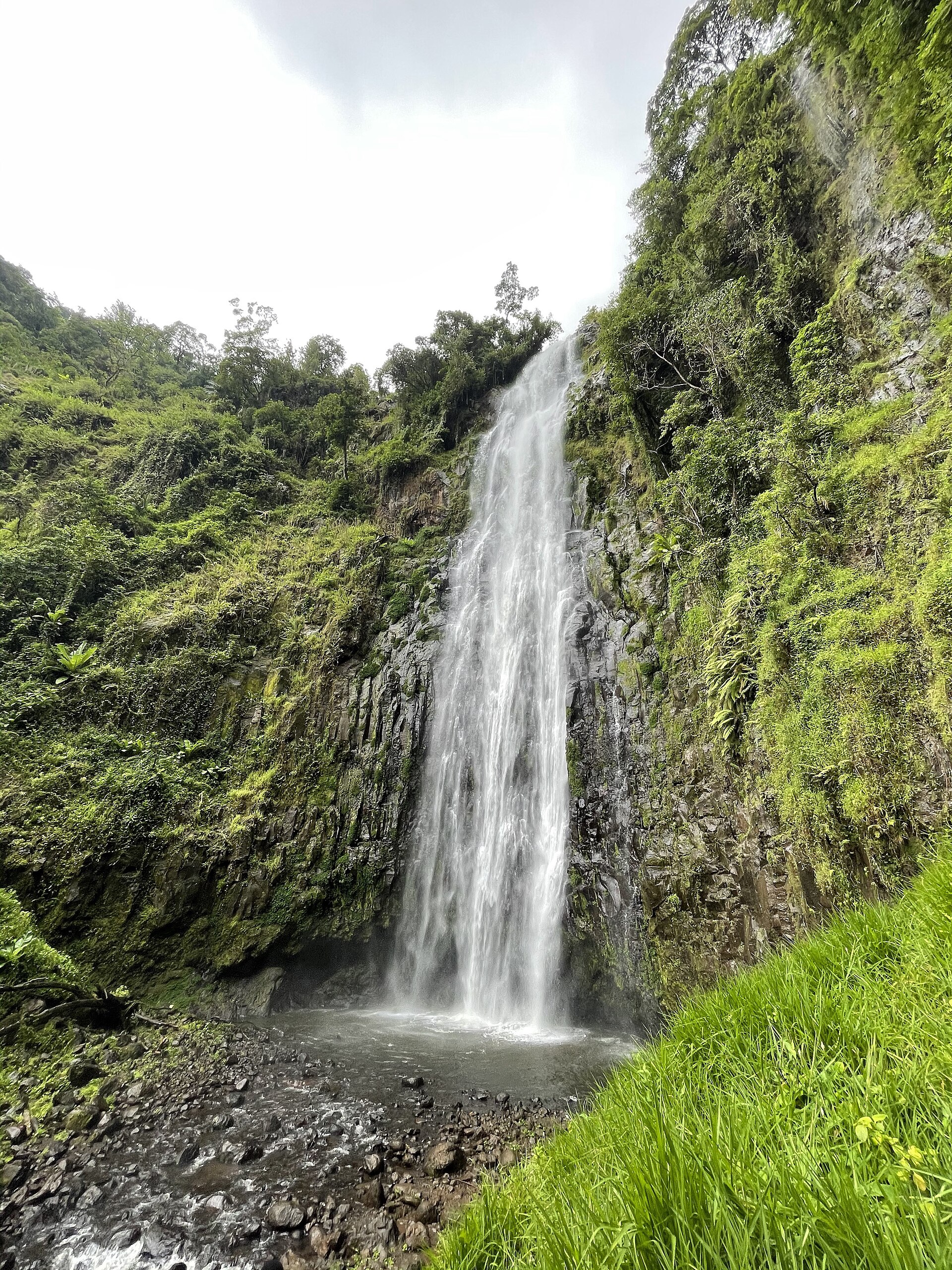
At around twenty meters high, the waterfall isn’t particularly tall, but its beauty lies in the way it fits into the landscape. The water spills over the edge in a frothy white cascade, dispersing into mist before pooling at the base. On clear days, sunlight catches the spray, painting fleeting rainbows above the water. The locals sometimes call this place the "breath of the mountain," a phrase that hints at the unseen connection between the falls and Kilimanjaro itself.
The journey to Materuni begins in the village, where you can hire a local guide. These guides aren’t just there to show the way—they’re often members of the Chagga community, who have lived in these mountains for generations. The Chagga hold Kilimanjaro sacred, and their traditions are deeply tied to the land, water, and ancestral spirits. For them, the waterfall isn’t just a natural attraction; it’s a place of quiet reflection, where one might seek luck, purification, or simply a moment of peace. Along the trail, your guide will point out coffee and banana plantations, explaining how the land sustains the community and why these practices are woven into their identity.
The hike to the waterfall takes about an hour, winding through dense forest along gentle slopes. The path is never strenuous, just persistent, with occasional dips and rises that keep the walk engaging. Giant ferns line the trail, vines twist around tree trunks, and if you’re lucky, you might spot monkeys watching from the branches above. The air stays cool even on warm days, making the walk as pleasant as the destination. Small streams trickle down from the hills, feeding into the larger flow that powers the waterfall.
When the falls finally come into view, the first thing you notice is the contrast—the lush green of the forest against the white froth of the water. The pool at the base is shallow but wide enough to wade into, the water cool and refreshing. Locals sometimes come here to wash clothes or rest in the shade, spreading out food on the rocks. If you’re fortunate, you might see children from the village playing in the water, laughing as if it’s the most ordinary thing in the world.
The history of Materuni Waterfall is inseparable from the story of the Chagga people. Centuries ago, they migrated to these slopes, seeking refuge from droughts and conflict on the plains. Kilimanjaro became their home, and its water their lifeline. The rivers and falls weren’t just sources of drinking water; they played a role in rituals, believed to wash away misfortune and illness. Even today, some elders visit the waterfall to perform ceremonies or speak to the spirits of their ancestors, continuing traditions passed down through generations.
There’s no grand architecture here, just the quiet grandeur of nature. The rocks are slick with moss, the trees form a natural canopy overhead, and the whole scene feels like a hidden amphitheater. During the rainy season, the waterfall roars louder, the mist rising higher. In drier months, the flow weakens but never vanishes—fed year-round by mountain springs. The Chagga say that if you sit by the water long enough, you can hear it "speaking" to the mountain, a belief that’s less about poetry and more about their way of seeing the world.
For those who make the journey, Materuni Waterfall often becomes more than just a stop on a travel itinerary. It’s a place where the rhythm of life slows down, where there’s no need to rush or pose for photos. You can sit by the water, listen to its steady murmur, and realize how little it takes to feel content. Maybe that’s why some visitors return again and again—as if the waterfall leaves an impression that lingers, one they’re not ready to let go of.