Mount Meru
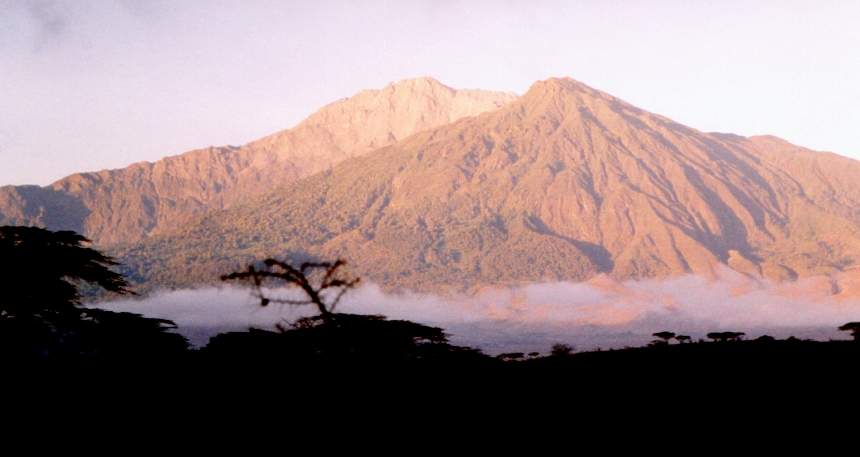
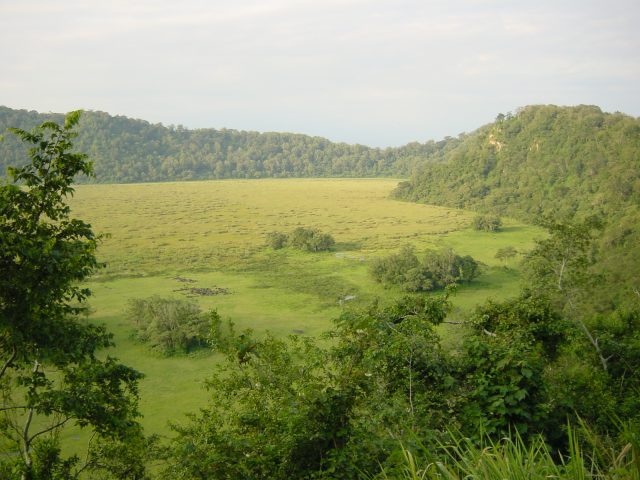
Mount Meru isn’t like the postcard-perfect peaks of Tanzania. It sits in Arusha National Park, often overlooked next to Kilimanjaro. But those who climb it find more than just a mountain. Volcanic craters meet dense forests, and where other peaks turn barren, giraffes and buffalo still wander. Below, lakes reflect the sky, their surfaces shifting with the light. Meru isn’t just a place—it’s a slow, quiet discovery.
The mountain formed millions of years ago, shaped by eruptions that left behind stark contrasts. The last major eruption was about a century ago, and since then, Meru has settled into stillness. Its slopes are a mix of hardened lava—some like the moon’s surface, others giving way to lush valleys. At its center lies a crater with sheer walls and a small lake that changes color with the seasons. The effect is strange, as if the mountain itself is alive.
The Maasai have long seen Meru as sacred. Though they more often associate *Oldoinyo Lengai* with another volcano, Meru appears in their traditions. Even now, herders bring cattle here, believing the grass holds special vitality. European explorers noticed the mountain during the colonial era, but only recently has it become more than a training ground for Kilimanjaro. Now, it draws those who want a climb that’s as much about the mind as the body.
The standard ascent takes three to four days, starting in Arusha National Park. The first stretch winds through rainforest, thick with eucalyptus and damp earth. Colobus monkeys call from the treetops, and birds like turacos and bearded vultures dart between branches. As you climb, the forest thins, replaced by heather and giant lobelias—plants that look ancient. By three thousand meters, the landscape shifts to alpine terrain, where the air thins and vegetation becomes sparse.
The hardest part comes near the crater rim, where the path narrows into loose scree. Each step requires care, but the reward is sweeping views: the Serengeti plains to the east, Kilimanjaro’s snow-capped peak to the west, and the crater’s vast bowl below. If the weather’s clear, sunrise from the summit is striking—the sky turns pink and gold, and for a moment, the world feels still.
Meru sees far fewer climbers than Kilimanjaro. There are no crowds, no queues, just the sound of your own steps and the occasional rustle of wildlife. Campsites, guides, and porters are available, but the climb still demands preparation. Altitude sickness and sudden cold can challenge even experienced hikers. The descent is faster but just as engaging. Some stay at Momella Lakes, where flamingos wade and zebras graze. Others head to Arusha, where grilled meat and spiced stews offer a taste of local life after days in the highlands.
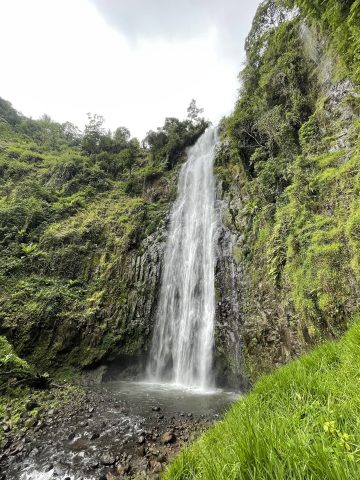
The region has other quiet pleasures. Waterfalls tumble through forested gorges, and coffee plantations dot the hillsides. Wildlife reserves nearby offer glimpses of elephants and lions, but Meru remains the main draw. It may not have Kilimanjaro’s grandeur or Ol Doinyo Lengai’s mystique, but it has its own quiet appeal. The landscape—from steamy rainforests to windswept ridges—tells a story of time and resilience.
What makes Meru special? It doesn’t shout with dramatic vistas or towering heights. Instead, it reveals itself slowly, like a secret. The climb is as much about the journey as the summit—a chance to walk through shifting ecosystems and endless skies. In a country known for wild beauty, Meru offers something different: a quieter adventure, one that stays with you long after you’ve left.