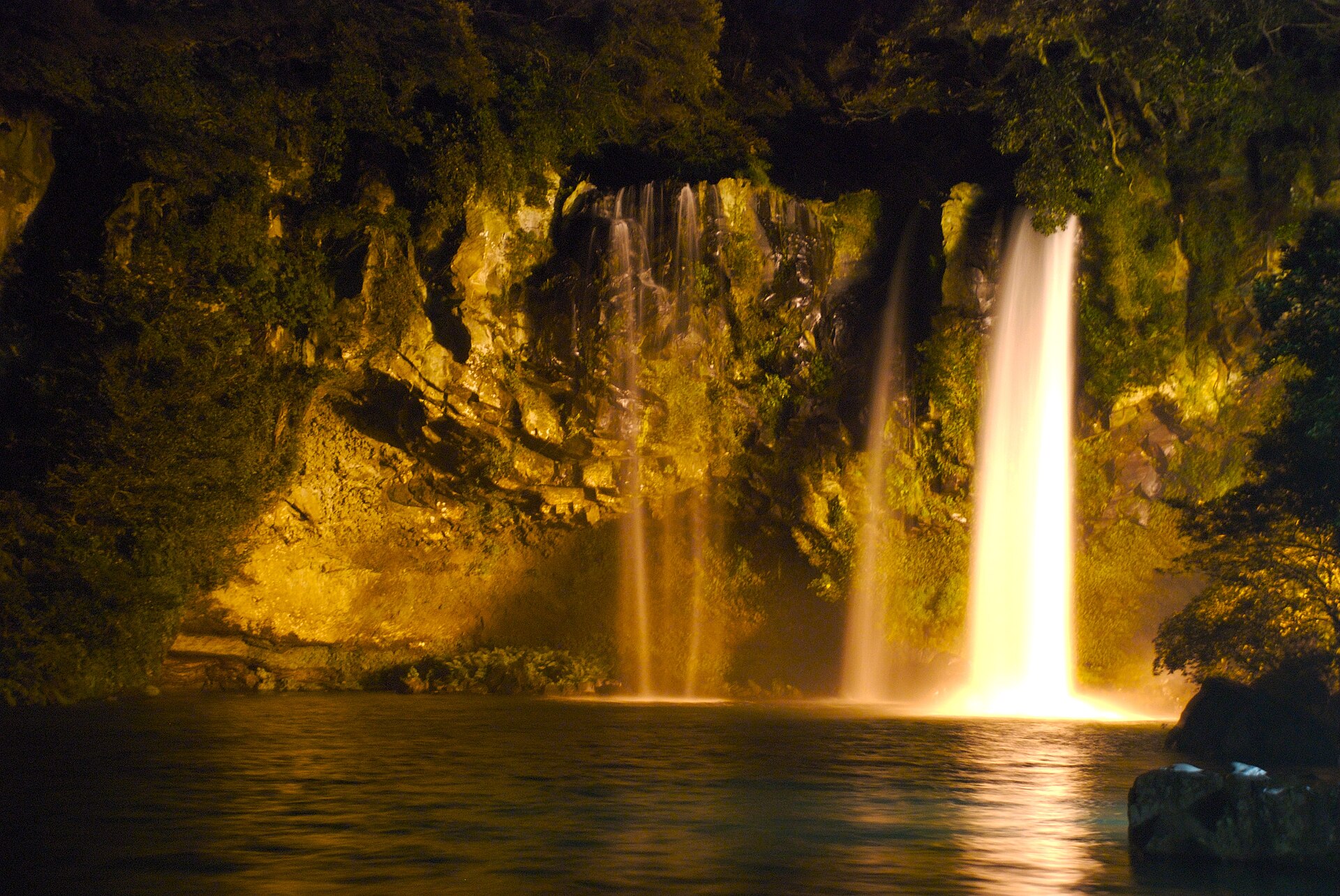
Cheonjiyeon Waterfall is one of those places on Jeju Island where nature doesn’t just speak—it roars. It may not be the tallest waterfall on the island, but its power is undeniable. Here, water plunges directly into the sea from a sheer cliff, creating a scene that feels almost surreal: the force of the cascade crashing against the rocks, the mist rising like smoke, and the constant rhythm of waves merging with the thunder of falling water. On clear days, sunlight dances across the surface, turning the waterfall into a shimmering ribbon. When the sky is overcast, it takes on a stark, almost primal grandeur, as if reminding visitors of nature’s unyielding strength.
Located on Jeju’s northern coast, just a short distance from the main city, Cheonjiyeon is easily accessible. The road winds along the coastline, past rugged cliffs, small fishing villages, and citrus groves that stretch toward the horizon. The waterfall itself is nestled in a natural crevice, framed by dark basalt formations—the same volcanic rock that shaped Jeju millions of years ago. These cliffs give the place a timeless quality, as if stepping into a landscape from another era, when the island was still forming.
For generations, locals have treated Cheonjiyeon with reverence. In Korean mythology, waterfalls were often seen as homes to spirits, and this one is no exception. A local legend tells of a dragon that dwells in its waters, guarding the island from harm. Whether or not you believe the tale, there’s an undeniable sense of tranquility here. Even during peak tourist seasons, the crowds thin out, leaving the space feeling almost untouched. A narrow path follows the cliff’s edge, each step bringing you closer to something raw and enduring.
There’s no grand architecture here—just simple wooden walkways and railings that blend seamlessly into the surroundings. They don’t distract from the view but make the experience safer. Viewing platforms are strategically placed, offering different perspectives: from above, where the water begins its descent, and from below, where it collides with the sea in a thunderous embrace. The best time to visit is at sunset, when the last rays of light catch the mist, painting fleeting rainbows above the waves.
Cheonjiyeon is deeply tied to Jeju’s history. The island has long been a crossroads for maritime trade, and the waterfall once served as a landmark for sailors. Centuries ago, it was part of a system of signal fires, warning of approaching ships. Today, those stories live on only in legend, but the place itself carries the weight of the past. Fishermen, farmers, and traders all passed by these cliffs, perhaps finding solace or inspiration in their presence.
Unlike many tourist spots, Cheonjiyeon doesn’t try to entertain. There are no cafes, souvenir shops, or flashy attractions—just paths, rocks, and the sound of rushing water. It’s a place for those who want to pause, listen, and let time slow down. On hot days, you can descend to a small beach at the waterfall’s base, where waves crash against black volcanic stones, offering a cool respite. In winter, the scene transforms: the water never freezes, but the wind carries salty spray, and the cliffs glisten with frost.
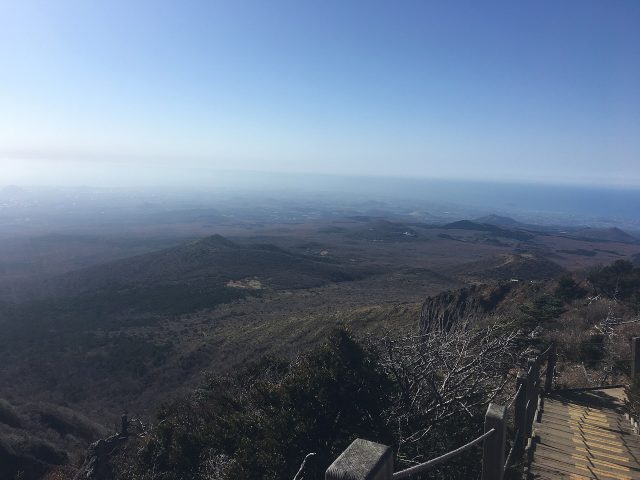
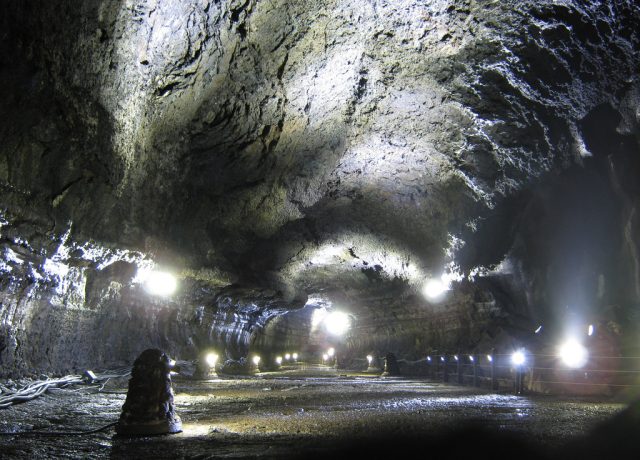
Cheonjiyeon isn’t just a waterfall—it’s part of a larger natural tapestry that makes Jeju unique. The island is famous for its volcanic landscapes, lava tubes, and evergreen forests, but here, on the northern coast, nature feels at its most untamed. The waterfall is a reminder that Jeju isn’t just a resort destination with beaches and hotels. It’s a place where the earth still breathes and the sea never falls silent.
Visiting Cheonjiyeon doesn’t require much preparation. Comfortable shoes are enough to navigate the paths, and an open mind is all you need to appreciate what’s in front of you. There are no lines, no rush, no forced hospitality—just you, the water, and the rocks. That’s why this place lingers in memory. It doesn’t try to please everyone. It simply exists, as it always has, a quiet testament to the fact that there are still corners of the world where nature rules, and humans are merely passing through.