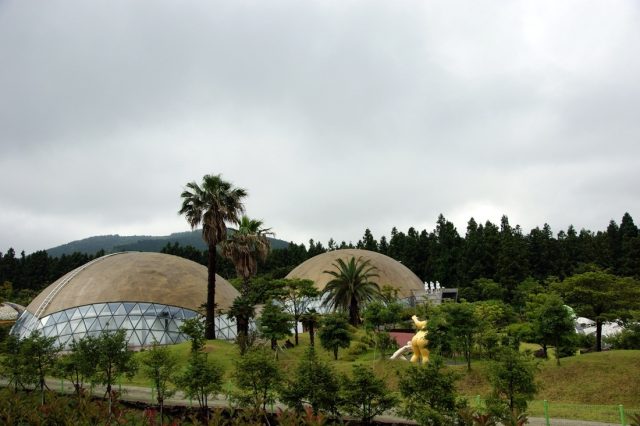
Jeju Island has a way of slowing time, especially in places where the island’s quiet rhythms take over. The O’Sulloc Tea Museum is one of those places. Tucked away from the usual tourist trails, it feels like a pause in the day, a space where the past and present blend without hurry. The museum isn’t about grand displays or crowds; it’s about the steady, unassuming presence of tea in Korean life, something that has been cultivated here for over a thousand years.
The building itself is a quiet statement of harmony with the landscape. Low stone walls and wooden beams echo traditional Korean architecture, while large windows frame the volcanic hills and greenery outside. Inside, the rooms are open and airy, designed to let light in and distractions out. There’s no attempt to impress with scale or opulence—just a thoughtful arrangement of space where tea isn’t just a drink but a way of understanding the world.
Korea’s relationship with tea goes back to the Silla dynasty, when Buddhist monks first brought tea seeds from China. Over the centuries, the way tea was grown, prepared, and enjoyed evolved, shaped by the country’s geography and culture. The museum traces this history not through dry facts but through the objects that carried it forward—ceramic bowls, iron kettles, handwritten scrolls describing brewing methods and medicinal properties. Some of these pieces date back to the Joseon era, their surfaces worn smooth by time and use. They don’t just sit behind glass; they tell stories of everyday life, of families gathering in the evening or scholars taking a moment to clear their minds.
What sets Korean tea culture apart is its lack of rigid formality. Unlike the elaborate ceremonies of Japan or the structured rituals of China, Korean tea traditions feel more intuitive, almost casual. There’s no strict choreography, just an unspoken understanding that tea is about connection—with the person across the table, with the seasons, with the land itself. The museum captures this in its exhibits, where old manuscripts describe not just how to steep leaves but how to appreciate the quiet between sips.
One of the most engaging parts of the museum is its collection of teaware. Some pieces are centuries old, their glazes cracked with age, while others are more recent but no less skilled. Each cup and pot carries the marks of its maker, whether it’s the uneven glaze of a hand-thrown bowl or the delicate brushstrokes on a painted teacup. Nearby, displays explain how different regions of Korea developed their own styles—from the dark, earthy ceramics of the south to the lighter, more refined wares of the north. It’s a reminder that tea in Korea was never just about the drink itself but about the hands that shaped the vessels and the moments they held.
Visitors don’t just observe here; they participate. In a simple, unadorned room, museum staff guide small groups through tea tastings. The selection varies, but often includes Jeju’s famous green tea, known for its mild, slightly sweet flavor. There’s also omija tea, made from the berries of a local vine, or yuja tea, a fragrant citrus infusion. The staff don’t perform a ceremony so much as share a practice—how to warm the pot, how long to steep the leaves, how to notice the way the aroma changes with each pour. It’s less about perfection and more about presence.
Outside, the museum’s surroundings play their own role in the experience. Jeju’s volcanic soil and temperate climate have long made it ideal for tea cultivation, and the museum’s grounds include a small garden where visitors can see the plants up close. The air here carries the scent of earth and herbs, and on clear days, the sea is visible in the distance. There’s no need for grand gestures; the landscape itself is enough. A bench under a tree, a path winding through the hills—these are the places where the museum’s lessons sink in, not through words but through the quiet rhythm of the island.
What makes O’Sulloc different from other museums is its lack of pretension. There’s no attempt to romanticize the past or package tradition for tourists. Instead, it feels like an invitation—one that doesn’t demand anything in return. You can spend an hour here or an afternoon, reading the displays, sipping tea, or simply sitting outside with a view of the hills. It’s a place where history isn’t something distant but something that continues, in the steam rising from a cup and the way the light falls through the windows.