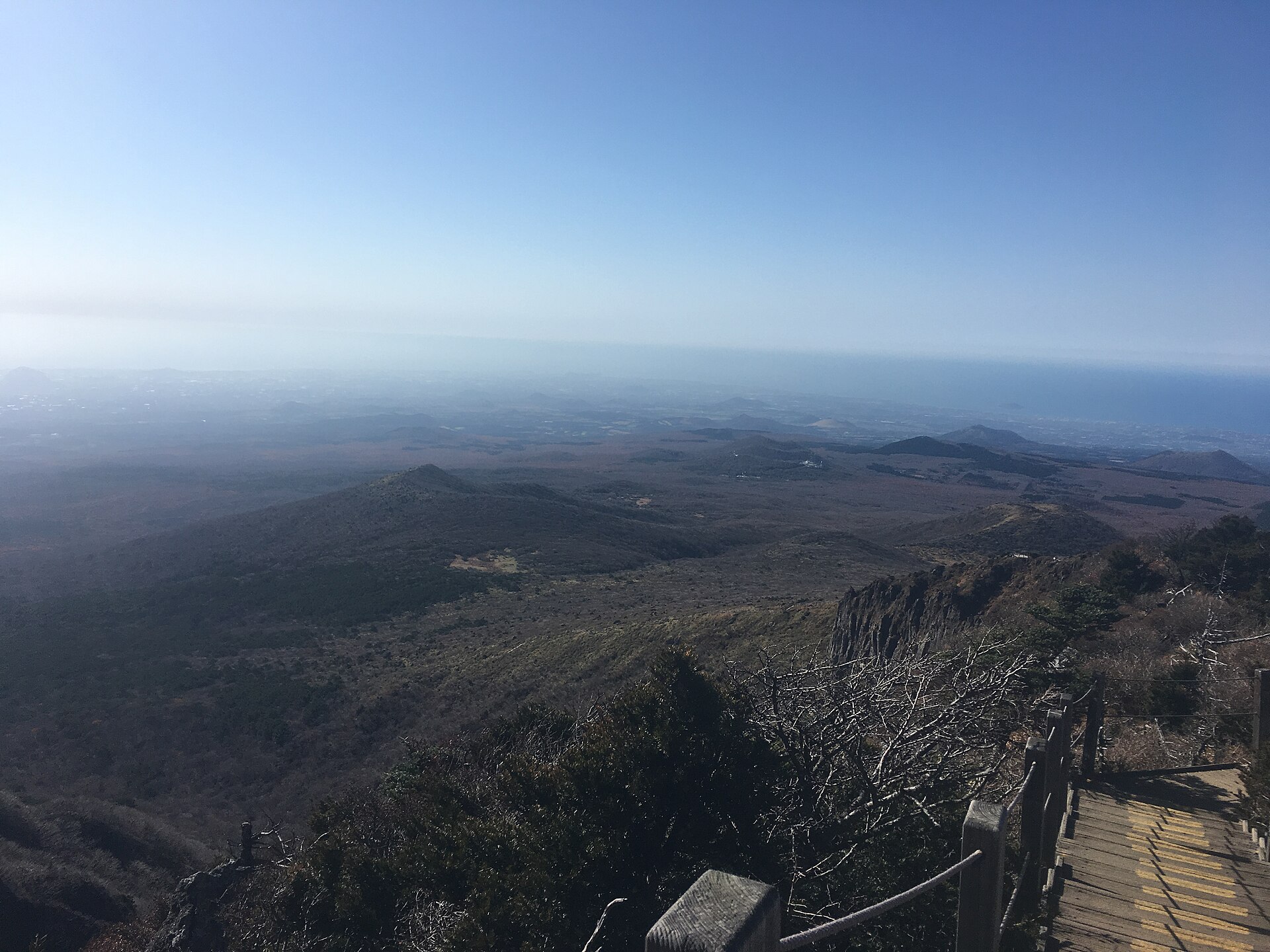
Hallasan isn’t just the highest peak in South Korea—it’s the living heart of Jeju Island, a place where myth and landscape merge so completely that it’s hard to tell where one ends and the other begins. Rising nearly two thousand meters above the sea, the mountain dominates the island like a silent guardian, its slopes shaped by ancient eruptions and time. Though dormant, the volcano still hums with a quiet power, its crater a reminder that this land was forged by forces far greater than human hands. On clear days, the summit offers views that stretch across the entire island, and if the wind is right, even to the distant mainland. More often, though, the peak is wrapped in shifting clouds, creating the sense that you’ve stepped into a world between earth and sky.
The mountain’s history is inseparable from Jeju’s own. For centuries, locals have treated Hallasan as a sacred place, where spirits dwell and the boundaries between the human and divine blur. Long before tourists arrived, villagers climbed its slopes to perform rituals, praying for rain, good harvests, or protection from storms. Korean mythology tells of Seolmundewi, the goddess said to have been born here, her presence woven into the very rock and trees. Even now, many Koreans approach the mountain with reverence, not as a mere landmark but as a living entity that breathes with the seasons. It’s a place where the past isn’t just remembered—it’s felt in the cool mist that rises from the forest or the way the light slants through the pines at dawn.
There’s little grand architecture on Hallasan, but what exists feels like a natural extension of the land. Stone gates mark the beginnings of trails, their rough surfaces worn smooth by generations of hands. Scattered across the slopes are small temples, their wooden beams and tiled roofs blending into the greenery. The most notable is Gwaneumsa, built in the 17th century and dedicated to the bodhisattva of compassion. Nestled halfway up the mountain, the temple’s courtyards are quiet, the air thick with the scent of incense and damp earth. Stone lanterns stand like silent sentinels, their carvings softened by time. It’s a place to pause, to sip tea from a metal cup, and listen to the wind moving through the trees.
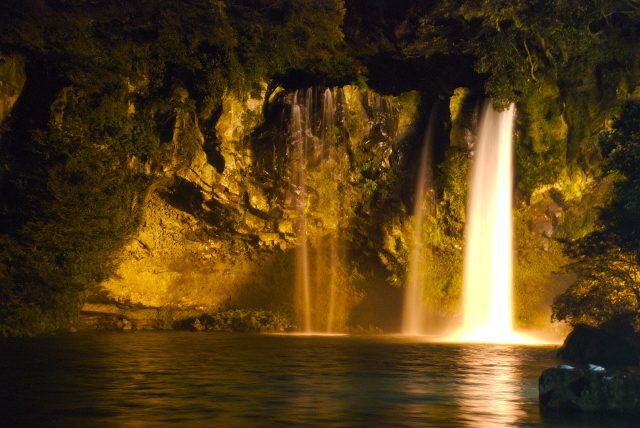
The trails up Hallasan are as varied as the people who walk them. Six main routes wind toward the summit, each offering a different rhythm. The most popular begins at Gwaneumsa Gate, leading through dense forests where sunlight filters through the canopy in thin, bright shafts. The path passes waterfalls that tumble over black volcanic rock and meadows where wildflowers bloom in summer. As you climb higher, the air grows cooler, and the trees give way to open slopes where the wind carries the sharp, clean scent of pine. Another route, Seongpanak, is gentler, meandering through bamboo groves and pastures where horses graze. For those who prefer solitude, the Eorimok trail cuts across a stark lava field, its jagged rocks resembling something from another planet. No matter which path you choose, the mountain demands patience—steep inclines, loose stones, and sudden changes in weather test even experienced hikers.
Hallasan transforms with the seasons, each one revealing a different face. Winter turns the summit into a world of ice and snow, the trails slick underfoot, the crater lake frozen into a glassy mirror. Spring arrives with a burst of color as rhododendrons bloom in shades of pink and white, their petals littering the ground like confetti. Summer brings heat to the lower slopes, but the peak remains cool, often shrouded in mist that rolls in like a living thing. Autumn is the most dramatic, when the maples and oaks blaze red and gold, their leaves crunching underfoot. The mountain feels alive then, as if the very air is charged with the energy of change. Even those who’ve climbed it before find themselves drawn back, unable to resist the pull of another season.
The summit is a world apart. At its center lies Baengnokdam, a crater lake whose waters shift color with the light—deep blue one moment, emerald the next, nearly black when the clouds press low. The lake is ringed by rare alpine plants, their roots clinging to the volcanic rock. Birds nest in the crags, their calls echoing across the stillness. Local legends say a dragon lives in the lake, its presence felt more than seen. Whether you believe the stories or not, there’s a sense of something ancient here, something that has watched over the mountain for centuries. Standing at the edge of the crater, it’s easy to lose track of time. The wind carries the scent of damp earth and pine, and when the clouds part, the view stretches endlessly—Jeju spread out below like a map, the sea a shimmering line on the horizon.
Hallasan isn’t just for hikers. The mountain is home to wildlife that moves through the forests almost unseen—deer that vanish into the undergrowth, squirrels darting between branches, the occasional wild boar rooting in the leaves. Birdwatchers come in search of the Jeju woodpecker, a rare species found only on the island. But the real magic isn’t in spotting animals; it’s in the way the mountain makes you feel. There’s a quiet exhilaration that comes with standing at the summit, looking down at the patchwork of fields, villages, and roads below. The world feels both vast and intimate, as if you could reach out and touch the sea in the distance. It’s the kind of place that makes you understand why Jeju is called the Island of Dreams—not because it’s perfect, but because it offers something rare: the chance to step outside of time, if only for a moment.
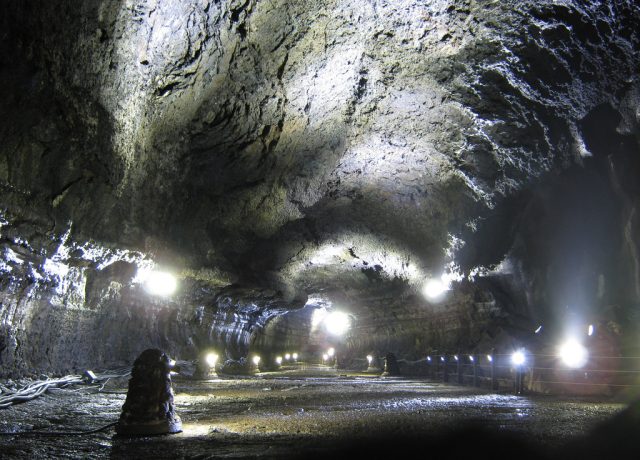
For those who don’t climb, Hallasan is still impossible to ignore. Its silhouette looms over the island, visible from nearly every corner of Jeju. Some days it appears stern and unyielding, its slopes dark against the sky. Other times, it seems almost gentle, the clouds softening its edges. But it’s always there, a constant presence in the lives of those who call the island home. You might spend the morning walking along a black sand beach, only to look up and see the mountain wreathed in mist. Or explore the lava tubes at its base, then glance back to find the summit glowing pink in the sunset. Hallasan isn’t just a landmark—it’s the soul of Jeju, a place where the past and present coexist, and where every season brings a new reason to return.