The Waterkant in Mersorg is where daily life unfolds along the Suriname River, away from modern tourism. This stretch of riverfront has been a gathering point for centuries. The name—Waterkant, meaning "waterfront" in Dutch—reflects the colonial past still visible in Suriname’s architecture and language. Here, history isn’t just preserved; it’s part of the present.
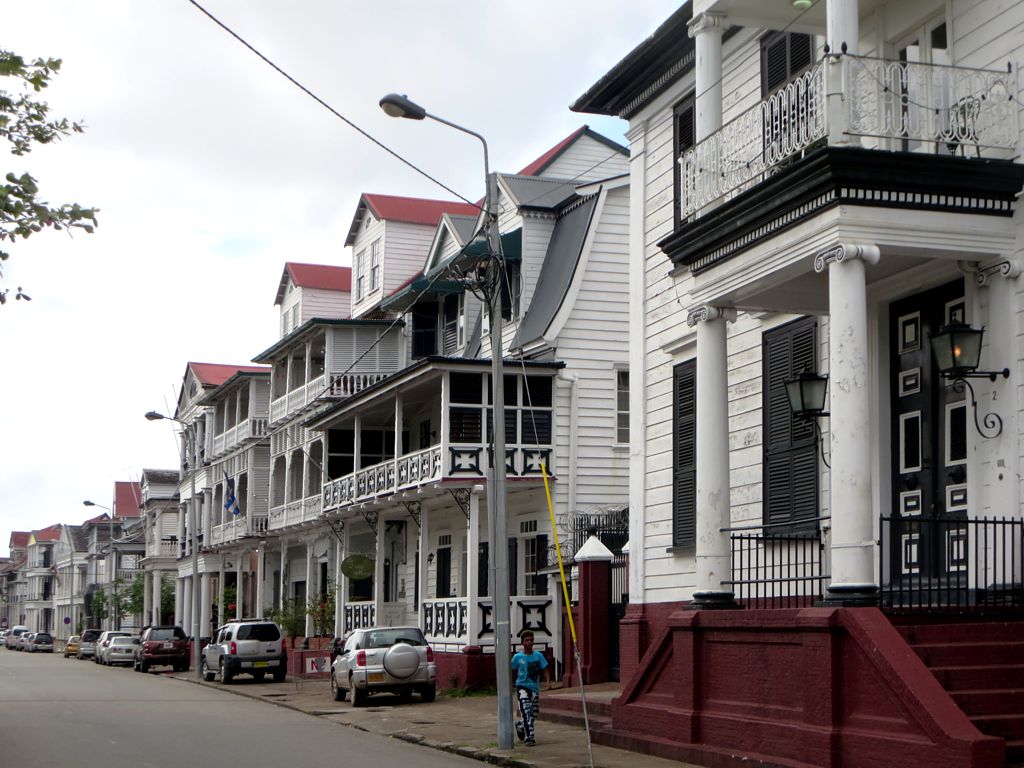
Mersorg, smaller than Paramaribo, was shaped by the river. The Suriname River once served as the main route connecting inland communities to the coast. The Waterkant was where goods, news, and people met. In the 18th and 19th centuries, ships unloaded salted fish and European textiles here. The wooden houses lining the waterfront today were built by merchants and laborers. Their facades show the effects of time and humidity. Some stand on stilts, a practical way to avoid flooding.
What sets the Waterkant apart is its lack of change. Unlike Paramaribo’s restored historic center, Mersorg’s waterfront feels unfiltered. There are no museums or grand restorations—just the rhythm of everyday life. In the mornings, fishermen bring in their catch from small wooden boats. Vendors sell fresh fruit, cassava bread, and pepperpot. The air smells of saltwater, river mud, and limes squeezed over grilled fish.
The architecture tells its own story. Many buildings are simple, two-story structures with wide verandas to catch the breeze. Some date back to the colonial era, with wooden shutters and sloping roofs adapted for the tropics. Others are newer but built in the same style, with corrugated metal roofs and faded paint. The buildings lean slightly toward the river, not just from age but because the ground beneath them has shifted over centuries.
By late afternoon, the Waterkant changes. The heat eases, and the river glows in the setting sun. Locals gather on wooden benches—some fish, others watch the water. Children play along the shore. Egrets call, and fish occasionally break the surface. The river feels timeless, as if it has always flowed this way.
For visitors, the Waterkant offers a different side of Suriname. There are no monuments or must-see attractions, just the quiet beauty of a place that has existed for generations. You might spend an hour or an afternoon here. Some buy coconut water from a street vendor. Others sit on the steps by the river, watching boats drift by. A fisherman might tell you where to catch *pacu* or *tambaqui*, or point out old trading posts now hidden by trees.
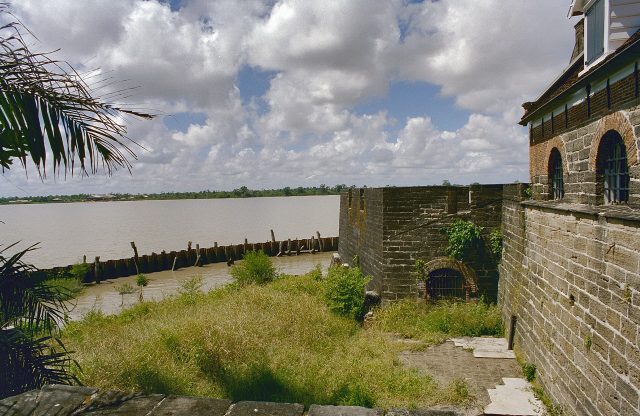
The river is the heart of the Waterkant. It’s wide here, almost like a lake, with the opposite bank barely visible. On clear days, the water is a deep brown, carrying sediment from upstream rainforests. At high tide, waves lap against the shore, and wooden piers creak under tied boats. At night, house lights reflect on the water. Music—sometimes *kaseko*—drifts from open windows. The river isn’t just a backdrop; it shapes the town’s life.
The Waterkant has endured hurricanes, economic shifts, and modernization. Yet its rhythm remains tied to the river—when to fish, when to trade, when to rest. In a country where the past is often overshadowed, the Waterkant reminds you of what matters: community, connection, and the steady flow of the river. It’s not a place for checklists. It’s where you go to feel part of something that was here long before you and will remain long after.