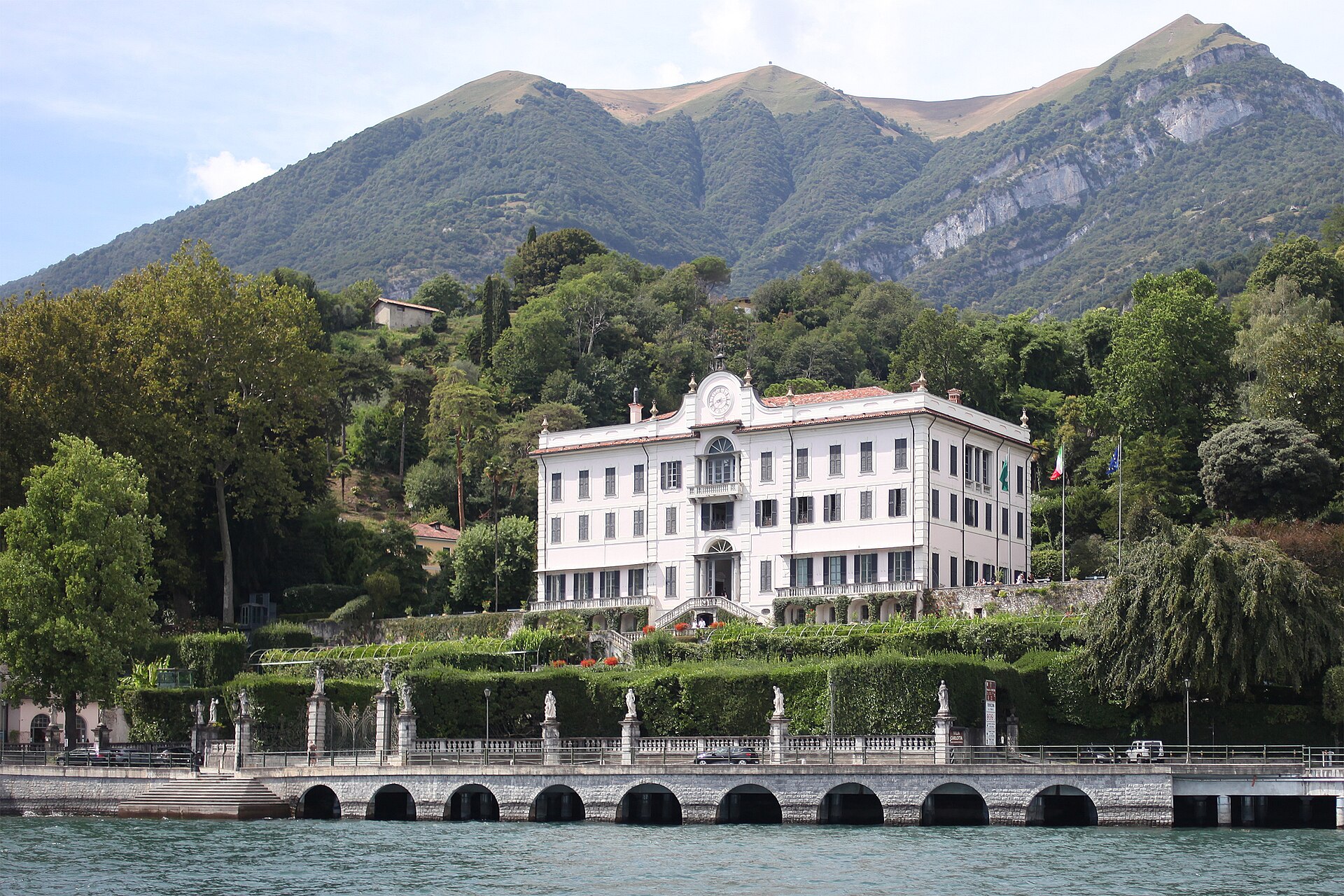
Villa Carlotta sits along the shores of Lake Como, where the gentle climate and lush greenery make it feel like spring never ends. The estate is the kind of place that seems lifted from the pages of an old novel—a gleaming white mansion with columns and terraces, framed by gardens that look like a living painting. Its history is woven into every stone. Built in the late 17th century for the Milanese marquis Giorgio Clerici, the villa later passed to the Sommariva family, who turned it into a cultural hub of northern Italy. In the 19th century, it was acquired by Prince Albert of Saxe-Meiningen, who named it after his wife, Carlotta, and the name has stayed ever since.
The architecture is a fine example of neoclassical design, where strict symmetry meets delicate details. The façade is adorned with pilasters and bas-reliefs, while tall windows let in soft light that dances across marble floors and ornate ceilings. Inside, the rooms still carry the spirit of the past. Antique furniture, tapestries, porcelain, and paintings from the 18th and 19th centuries fill the spaces, each piece telling its own story. The frescoed hall, with its mythological scenes, and the library, once a gathering place for scholars and writers, feel as if they’ve preserved the whispers of old conversations.
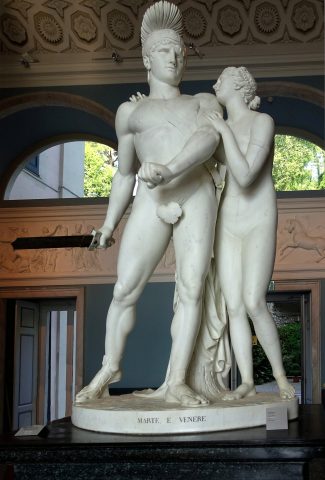
The gardens are a world of their own, where nature and art blend seamlessly. Planted in the early 19th century, they were designed as a botanical showcase, bringing together rare plants from across the globe. Giant sequoias tower over magnolias, camellias, azaleas, and rhododendrons, which burst into color in spring. Paths wind past fountains, grottoes, and sculptures, including Antonio Canova’s famous *Cupid and Psyche*. Hidden among the trees are pavilions and gazebos, while terraces offer views of the lake and mountains that seem almost too perfect to be real.
Villa Carlotta was never just a country retreat—it was a place where art and ideas flourished. Over the centuries, writers, artists, and musicians found inspiration here. Gioachino Rossini composed some of his works within these walls, and the gardens often hosted literary evenings and concerts. In the 19th century, the villa became a destination for European aristocracy, drawn by its beauty and cultural significance. Today, exhibitions and events still take place, but the real magic lies in the quiet—the rustling leaves, the lapping water, the sense that time moves differently here.
The surrounding area, Tremezzina, is a quiet lakeside town where life unfolds at its own pace. Narrow streets, old churches, and small cafés capture the essence of Italy away from the tourist crowds. From here, it’s easy to take a boat across the lake or explore nearby villages like Bellagio and Varenna, each with its own charm. But many visitors simply linger by the water, watching the light play on the mountains, understanding why this place has captivated artists and poets for generations.
A visit to Villa Carlotta isn’t just about seeing a landmark—it’s about stepping into another era. There are no hurried crowds here, just the chance to wander through the rooms, sit in the gardens, and feel like part of the story. Time slows down, and even a short visit leaves the sense that you’ve touched something enduring. That’s why people keep coming back.
The seasons shape the experience in subtle ways. In spring, the gardens explode with color, as if nature itself is celebrating. Summer brings cool breezes and the temptation to swim or take a boat out on the lake. Autumn turns the leaves gold and crimson, perfect for long walks. Winter wraps the villa in quiet romance—frosted paths, empty benches, and a stillness broken only by birdsong. Each season adds a new layer, but one thing never changes: Villa Carlotta is a place that lingers in the memory, always inviting you to return.