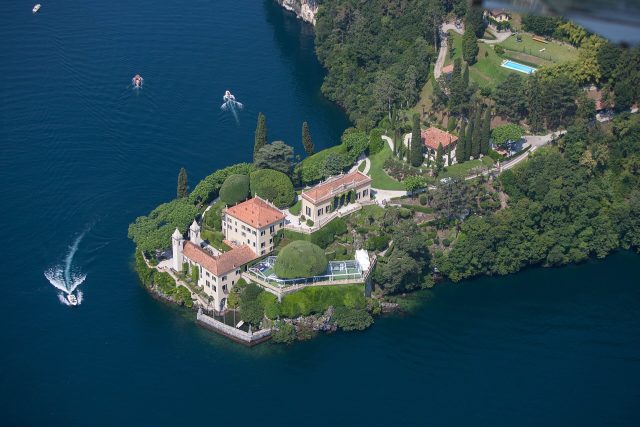
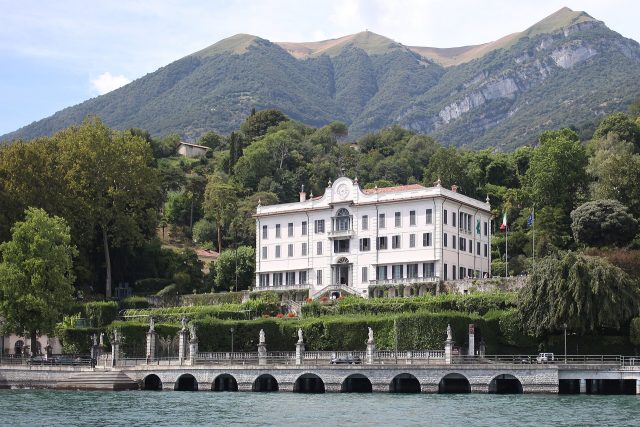
Villa Carlotta isn’t just another lakeside estate on the shores of Lake Como—it’s where nature and art merge so seamlessly that it’s hard to tell where one ends and the other begins. Built in the late 17th century for the Milanese marquis Giorgio Clerici, the villa was conceived as a grand statement of wealth and refinement. Yet its true magic lies not within its walls but in the terraced gardens that cascade down the hillside, framing the lake below in a way that feels almost too perfect to be real. Every path, every fountain, every carefully placed statue seems to whisper stories of the past, while the views could easily belong in a classical painting.
The villa itself is a fine example of Lombard Baroque, restrained yet elegant. Its façade is adorned with stucco work and statues, while the interiors still hold fragments of their original splendor—frescoes, carved furniture, and the kind of craftsmanship that speaks of a time when beauty was measured in patience. But the real treasure here isn’t inside. The gardens, designed in the 18th century, were meant to be an extension of the villa’s grandeur, a living work of art where every turn reveals something new: a sudden glimpse of the Alps, a burst of color from a flowerbed, or the shimmer of the lake through the trees.
Walking through the gardens feels like stepping into a botanical wonderland. Over five hundred plant species thrive here, from towering exotic trees to delicate blooms that change with the seasons. In spring, azaleas and rhododendrons explode into a riot of pinks, purples, and whites, covering the slopes in a vibrant blanket. Summer brings camellias, magnolias, and hydrangeas, while autumn turns the foliage into a tapestry of gold and crimson. Even the orangeries remain true to their original purpose, still cultivating citrus trees just as they did centuries ago.
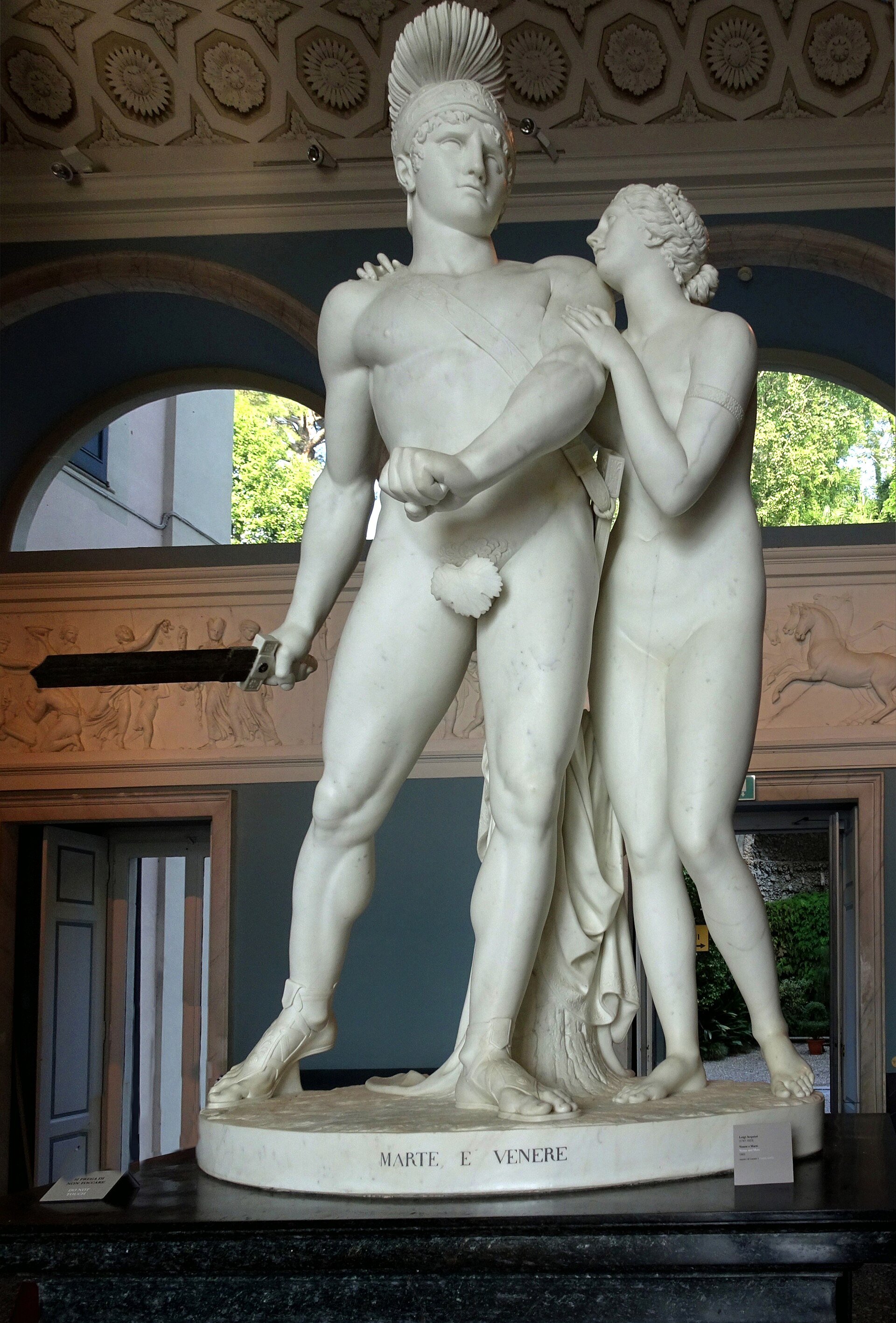
The villa’s history is as rich as its gardens. In the 19th century, it belonged to Princess Charlotte of Nassau, whose name it bears today. Later, it was acquired by Gian Battista Sommariva, a collector and patron of the arts who turned it into a cultural hub. Poets, artists, and musicians gathered here, and the gardens hosted literary salons and concerts. That spirit of creativity still lingers, as if the very air is charged with the ideas and conversations of those who once walked these paths.
What makes Villa Carlotta special is its sense of timelessness. There are no rigid museum rules here—visitors are free to wander, sit on benches, or lose themselves in the quiet corners of the gardens. The design encourages exploration, whether you’re drawn to the shaded arbors, the sunlit terraces with their sweeping lake views, or the tranquil ponds dotted with water lilies. It’s easy to imagine the villa’s past guests strolling these same paths, debating philosophy or admiring the latest artistic trends.
The setting only enhances the experience. Lake Como has long been celebrated for its beauty, and Villa Carlotta offers one of the most breathtaking perspectives. On clear days, the opposite shore comes into view, where tiny villages nestle among the greenery and the distant Alps stand sentinel. As evening falls, the water takes on a golden hue, and the scent of flowers and pine fills the air. It’s a place where the natural and the man-made exist in perfect harmony.
Unlike more formal museums, Villa Carlotta feels alive. There are no barriers between visitors and the surroundings—just the freedom to experience it at your own pace. In summer, classical music concerts fill the gardens, while spring and autumn bring exhibitions and workshops. The villa adapts with the seasons, offering something new with each visit.
For anyone who appreciates history, art, or simply the quiet beauty of a well-tended garden, Villa Carlotta is a revelation. It’s the kind of place where hours can slip by unnoticed, where the outside world fades into the background, and where the past feels almost tangible. Unlike the crowded tourist hotspots of Italy, it retains a sense of intimacy, inviting slow, thoughtful exploration. Perhaps that’s why it still feels like a relic of a slower, more poetic era—one where time moved at the pace of a leisurely stroll through the gardens.