Piazza Giuseppe Garibaldi in Lake Tremezzina is one of those places where history and everyday life blend so seamlessly that time seems to slow down just a little. Tucked away in the heart of this quiet lakeside town, it isn’t just a central point on a map—it’s a living space where the past and present coexist without fuss. Unlike the crowded piazzas of Milan or Rome, this one belongs to the locals first. They come here for coffee, for conversation, for the quiet pleasure of watching the world go by at its own unhurried pace.
The architecture of the square tells a story that has unfolded over centuries. The low stone buildings with their arched walkways, painted in warm ochres and terracottas, hint at the town’s medieval roots, when Tremezzina was an important stop on the trade routes between Como and Switzerland. Some facades still bear faded frescoes, their details softened by time but still carrying the craftsmanship of long-forgotten artists. At the center of the square stands a simple fountain, unadorned and practical—just as a fountain should be in a place where water has always been precious.
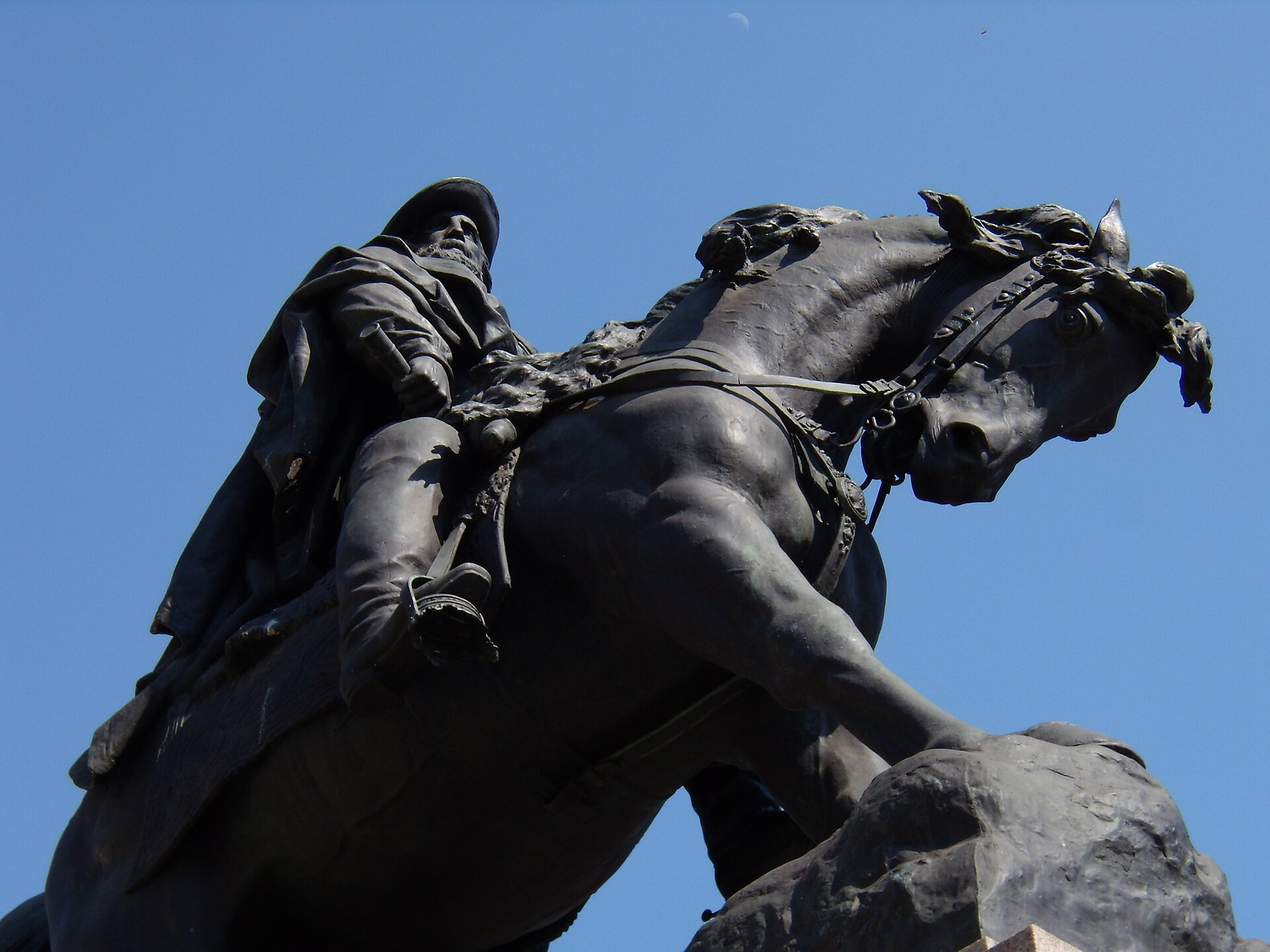
Named after Giuseppe Garibaldi, the Italian unification hero, the square is tied to the country’s Risorgimento, though Garibaldi himself never set foot here. In the 19th century, Tremezzina, like much of Lombardy, was caught up in the struggle for independence from Austrian rule. The square doesn’t have a grand monument to the man—just a modest plaque on one of the buildings, easy to miss if you’re not looking for it. But the echoes of that era linger in small ways: in the names of the streets, in the stories older locals share over espresso, in the way the past still feels present here.
Life on Piazza Garibaldi moves at a gentle rhythm. In the mornings, the shutters of small shops creak open, revealing stalls selling local cheeses, olive oil, and wine from nearby vineyards. By midday, the cafés fill with people, and by evening, the square hums with conversation—some discussing the day’s news, others simply enjoying the cool air after the heat. In summer, there might be a small concert or a festival celebrating the harvest, but even without them, the atmosphere is festive in its own quiet way. The sun glints off the cobblestones, the scent of fresh bread drifts from the bakery, and children dart around the fountain, their laughter blending with the murmur of voices.
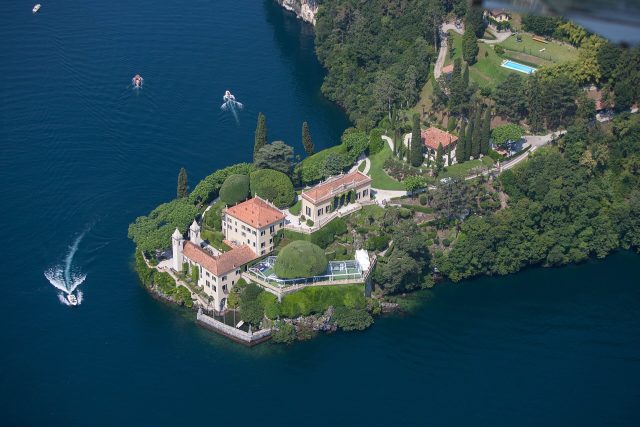
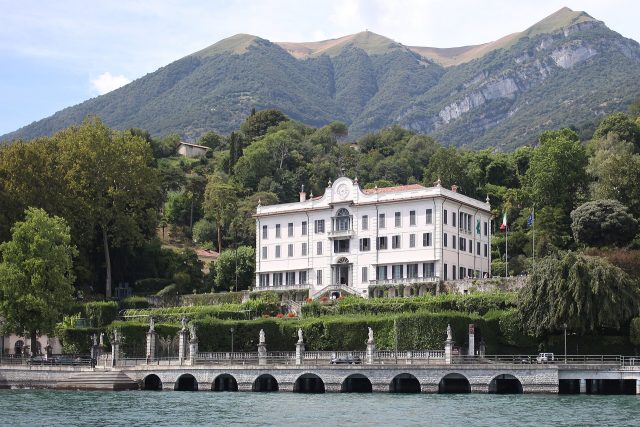
What makes the square special is its connection to Lake Como, just a short distance away. Tremezzina sits on the hills above the lake, and from certain spots on the piazza, you can catch glimpses of the water framed by mountains. Locals often come here in the evenings to watch the sunset, when the sky over the lake turns shades of pink and gold. In those moments, the square feels like more than just a meeting place—it’s a vantage point for the kind of beauty that makes life feel worth living.
In winter, the square transforms. At Christmas, a small tree appears, and the buildings are strung with lights. The crisp air carries the scent of mulled wine from street vendors, and even those in a hurry pause to warm their hands around a steaming cup. The pace slows even further, and the town seems to hold its breath, waiting for something simple and sincere—just like Tremezzina itself.
Piazza Giuseppe Garibaldi isn’t the kind of place that dazzles you at first glance. There are no grand cathedrals, no palaces, no noisy attractions or luxury hotels. But that’s precisely its charm. It doesn’t try to impress; it just exists, holding onto its memories while making room for the present. When you visit, you realize that the real Italy isn’t just in Rome or Florence—it’s in places like this, where time moves to its own rhythm and life is made up of small, meaningful moments.