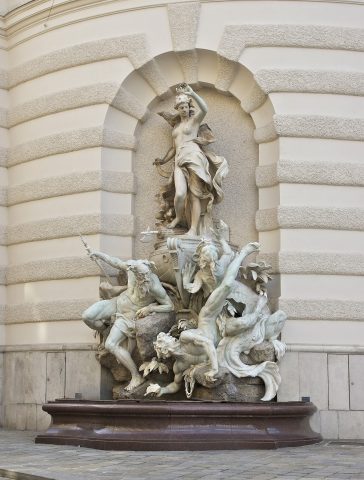
The Vienna State Opera is one of those places that doesn’t just host performances—it’s woven into the city’s identity. Built in the mid-19th century, the opera house was designed in a grand style that blends Renaissance revival with Baroque flourishes, a choice that once sparked fierce criticism. The architects behind it faced such harsh backlash that one took his own life, while the other died shortly after. Today, the building is instantly recognizable, its imposing facade and sweeping staircases a symbol of Vienna itself.
The opera’s history hasn’t been smooth. During World War II, Allied bombs devastated the interior, leaving only the outer walls, the grand staircase, and the foyer intact. The reconstruction took a decade, and when the theater reopened in 1955, it was with Beethoven’s *Fidelio*, a performance that carried deep symbolic weight for a city rebuilding its cultural legacy. The restored auditorium retained its original splendor, though the acoustics were subtly refined to meet modern standards.
What sets the Vienna State Opera apart is its relentless pace. The repertoire changes almost daily, with dozens of productions cycling through the season. It’s rare for the same performance to run two nights in a row, which means the orchestra—the same musicians who form the Vienna Philharmonic—must be at their sharpest every evening. The New Year’s Concert, broadcast globally, is just one of the many highlights, but the real magic happens in the daily performances, where the house’s reputation for precision and passion is on full display.
Tickets vary widely in price, and there’s a trick to getting in without spending a fortune. Standing-room spots in the upper galleries are sold at a nominal cost on the day of the performance, though you’ll need to arrive early to secure a place. For those who prefer a less crowded experience, guided tours offer a behind-the-scenes look at the auditorium, backstage areas, and the elegant tea salon, with explanations available in multiple languages.
Once a year, the opera transforms for the Opera Ball, a glittering event held on the Thursday before Lent. The parterre is covered with a temporary floor to create a vast dance space, and debutantes in white gloves take center stage. The rest of the year, the dress code is more relaxed, though jeans in the orchestra seats would still turn heads. The atmosphere is formal but not stuffy—this is a place where tradition meets the present.
When summer arrives and the opera house closes its doors, the square outside becomes an open-air theater. A large screen is set up, and recordings of past performances are shown for free, drawing crowds who bring blankets and snacks from nearby stalls. It’s a casual contrast to the formality of the opera season, a reminder that this institution belongs to the city as much as to the artists who perform here.
Just steps away, Kärntner Straße begins its gentle slope toward St. Stephen’s Cathedral, a pedestrian route lined with cafés and shops. Along the way, the Sacher Hotel stands out, famous for its namesake cake—a small but indulgent detour. The opera isn’t just a stop on a tourist map; it’s a starting point for exploring Vienna’s layers, from its imperial past to its everyday rhythms. Whether you come for a performance, a tour, or just to soak in the atmosphere, the building itself tells a story—one of resilience, artistry, and the enduring power of music.