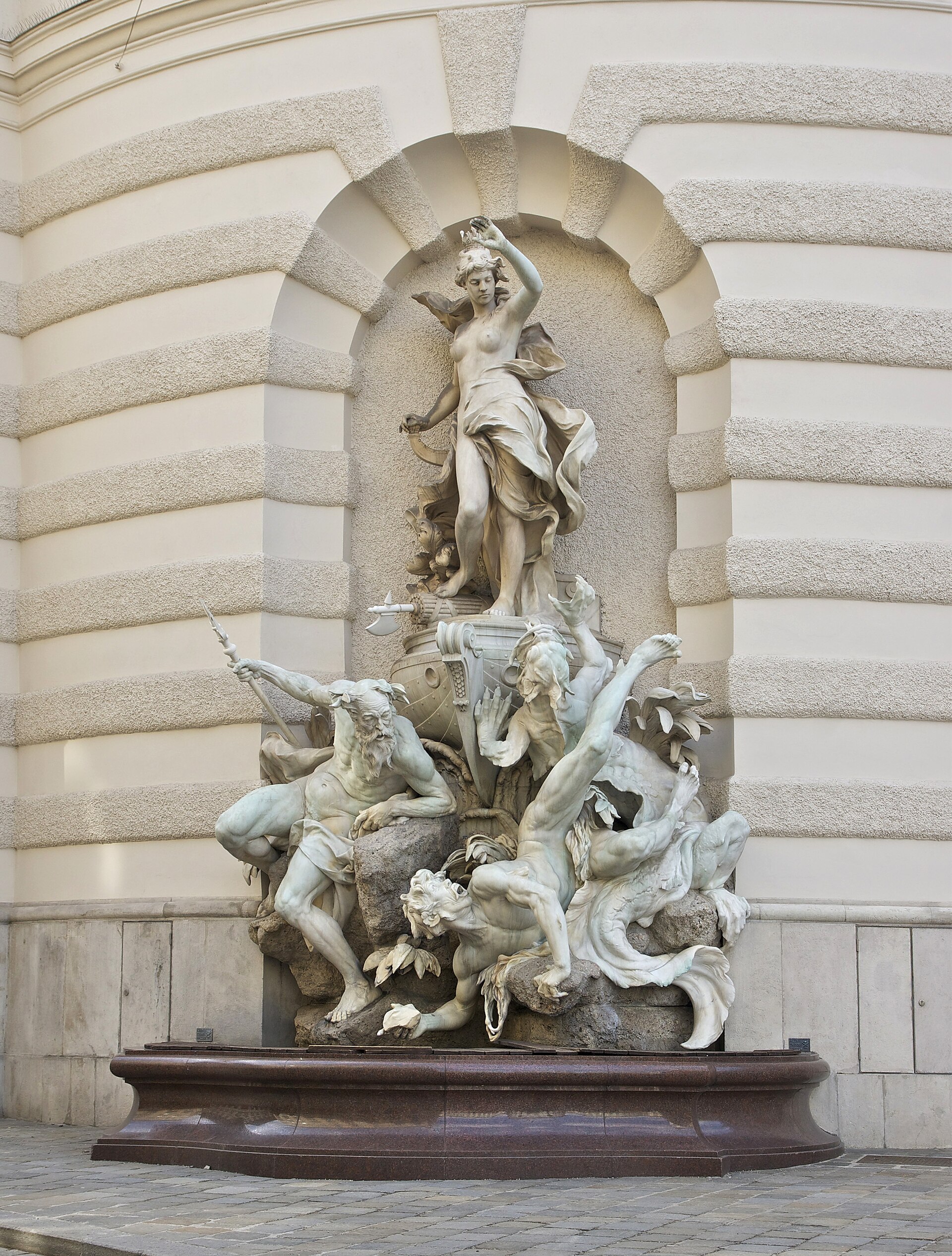
The Hofburg is more than just a palace—it’s a living chronicle of Vienna, where centuries of power, culture, and daily life intertwine. Nestled in the heart of the city, this sprawling complex served as the seat of the Habsburg dynasty, one of Europe’s most influential ruling families, for over six hundred years. Today, it remains a place where history breathes, housing museums, government offices, the Austrian National Library, and even the official residence of the country’s president. Walking through its halls, you don’t just observe the past; you step into it.
The architecture of the Hofburg is a testament to the many eras it has witnessed. What began as a fortified medieval castle in the 13th century gradually expanded under each successive ruler, absorbing new styles and influences. Gothic vaults stand alongside Renaissance wings, while Baroque facades blend seamlessly with neoclassical additions. The Swiss Wing, with its heavy doors and ribbed ceilings, is one of the oldest surviving parts of the complex, a reminder of the Hofburg’s origins as a fortress. Later, architects like Fischer von Erlach and Lukas von Hildebrandt transformed it into a symbol of imperial grandeur, their designs reflecting the Habsburgs’ ambition to project power through beauty.
Life at the Hofburg was once the center of European diplomacy and courtly splendor. Emperors and empresses like Maria Theresa, whose reign marked the height of the Austrian Empire, and Franz Joseph, the last Habsburg monarch, shaped the destiny of nations from these very rooms. The palace witnessed treaties that redrew borders, balls that hosted Europe’s elite, and private dramas that played out behind gilded doors. While many of the state apartments now serve as museums, the grandeur of the past lingers in the soaring ceilings, ornate chandeliers, and intricate tapestries that adorn the walls. Even the air feels different here—thicker with history, as if the echoes of past conversations still hum in the corridors.
One of the most extraordinary parts of the Hofburg is the Imperial Treasury, where the regalia of the Holy Roman Empire and the Habsburg dynasty are kept. Among its treasures are the crown of Charlemagne, the scepter and orb used in imperial coronations, and the personal jewels of Austrian rulers. Some items, like the so-called "unicorn horn" (actually a narwhal tusk), reveal how myth and power once intertwined. The collection isn’t just about opulence; it’s a tangible record of how symbols of authority evolved over time, from medieval relics to the trappings of a modern empire.
The Austrian National Library, housed within the Hofburg, is another jewel of the complex. Its grand Baroque hall, with its frescoed ceiling and towering marble statues, is one of the most breathtaking library spaces in the world. Founded in the 16th century, the library reached its current splendor under Emperor Charles VI, who envisioned it as a temple of knowledge worthy of an empire. Today, it holds millions of volumes, including rare medieval manuscripts, early printed books, and maps that chart the course of human exploration. Visitors can wander through the historic reading rooms or explore exhibitions that trace the evolution of writing and printing—a quiet but profound reminder of how ideas have shaped history.
The Hofburg is also home to the Spanish Riding School, where the famous Lipizzaner stallions have been trained for centuries. These elegant white horses, bred for their grace and intelligence, were once the pride of the Habsburg court, performing intricate dressage routines that showcased the skill of both horse and rider. The museum dedicated to them offers a glimpse into the traditions of classical horsemanship, while the riding hall itself—a masterpiece of Baroque architecture—still hosts performances. Watching the stallions move in perfect unison is like stepping back into an era when equestrian art was a symbol of nobility and discipline.
Beyond its museums and monuments, the Hofburg remains a working part of Vienna. The Austrian president’s offices are located here, and the palace still hosts state functions, from diplomatic receptions to cultural events. The courtyards, once bustling with courtiers and servants, now draw crowds of tourists and locals alike. In the summer, open-air concerts fill the air with music, while the palace gardens offer a quiet escape from the city’s hustle. Even the cafés tucked into the complex’s corners feel like a nod to the past, where visitors can sit with a coffee and imagine the conversations that might have taken place in the same spot centuries ago.
Vienna and the Hofburg are inseparable. Like the Louvre in Paris or the Tower of London, this complex is more than a landmark—it’s a defining feature of the city’s identity. To explore it is to walk through layers of history, each wing and courtyard revealing a different facet of the Habsburg legacy. Whether it’s the hushed grandeur of the library, the glittering treasures of the Imperial Treasury, or the simple act of crossing a courtyard where emperors once strode, the Hofburg doesn’t just tell history. It lets you live it, if only for a moment.