Wat Hai Sok is one of those quiet corners of Vientiane where time seems to slow down. Unlike the more famous temples like Wat Si Saket or Pha That Luang, it doesn’t draw crowds, and that’s part of its charm. The only sounds here are the rustling of palm leaves and the occasional chime of a bell. The temple sits away from the main streets, tucked behind narrow lanes lined with old wooden houses and small stalls selling fresh fruit and local sweets. Walking here feels like stepping into a different pace of life, one where the rush of the outside world fades into the background.
The history of Wat Hai Sok is woven into the story of Vientiane itself. Built in the 16th century during the height of the Lan Xang Kingdom, the temple reflects a time when the city was a major religious and cultural hub in Southeast Asia. Buddhism was deeply tied to the monarchy, and rulers often commissioned temples to reinforce their legitimacy and devotion. Wat Hai Sok was no exception—it served as a place for meditation, monastic education, and as a symbol of the dynasty’s piety. Like many Lao landmarks, it suffered damage over the centuries from wars and invasions, but each time it was restored, preserving its quiet dignity.
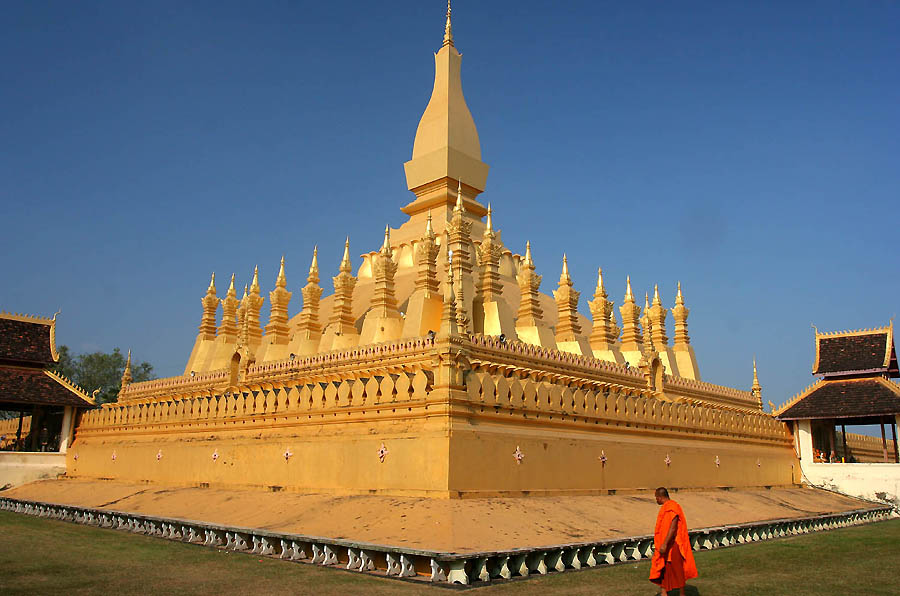
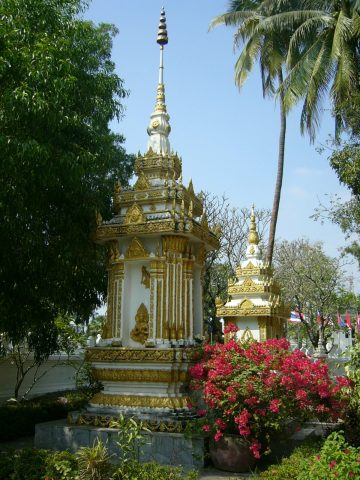
The architecture of Wat Hai Sok follows the traditional Lao style of its era, with a few subtle distinctions. The main building, the sima or ordination hall, features the characteristic low-sloping roofs that seem to cascade toward the ground. Intricate carvings adorn the eaves, and mythical naga serpents guard the roof edges, warding off evil spirits. Inside, the walls are covered with faded murals depicting scenes from the Buddha’s life, though time and humidity have blurred many of the details. Nearby stands a stupa, or that, said to hold sacred relics. It may not be as grand as Pha That Luang, but its significance to locals is just as deep.
One of the temple’s most intriguing features is its old library, once home to ancient palm-leaf manuscripts. Today, those texts have been moved to museums, but the library itself remains—a small, sturdy building with thick walls and narrow windows designed to protect the fragile manuscripts from moisture and insects. Stepping inside, the scent of aged wood and incense lingers in the air, while slivers of light filter through the shutters, casting an almost mystical glow. Few visitors come here, and the monks who live at the temple are often happy to share stories about how the sacred texts were once copied and preserved by hand.
Surrounding the temple is a small garden where fruit trees and flowers grow in quiet abundance. Under the shade of mango and banana trees, monks often sit in contemplation or speak with pilgrims. Scattered among the greenery are old stone slabs—grave markers for monks and nobles from different eras. For Lao people, these sites are sacred, treated with reverence and care. The garden isn’t meticulously manicured; instead, it feels organic, shaped by nature and time rather than human design.
Wat Hai Sok isn’t just a historical site—it’s a living monastery. A handful of monks reside here, following the rhythms of Buddhist life. Each morning, they walk the streets of Vientiane with alms bowls, collecting offerings of rice from locals. During the day, they meditate, study scriptures, or teach children about Buddhist principles. For visitors, this offers a rare glimpse into the daily life of a monastic community. If you’re lucky, you might witness a morning or evening service, where the monks chant mantras to the steady rhythm of temple bells.
Visiting Wat Hai Sok isn’t like ticking off a tourist attraction. There’s no hustle, no souvenir vendors, no guided tours—just stillness, the scent of incense, and the soft rustle of leaves in the breeze. The temple is open to all, but to truly appreciate it, you need to spend time there, perhaps sitting on a wooden bench in the shade, watching sunlight dance across the gilded Buddha statues. This isn’t a place for those seeking grand spectacles; it’s for those who want to understand the soul of Laos—calm, unhurried, and quietly profound.
Vientiane is changing. New buildings, roads, and cafes are reshaping the city, but Wat Hai Sok remains a pocket of the past. Here, you can still imagine the streets as they once were, filled with monks in saffron robes, the murmur of prayers echoing under the temple’s roof, and life moving at its own gentle pace. That’s why locals cherish this place—it holds memories they don’t want to lose. For travelers, Wat Hai Sok offers something rare: a connection to something authentic, untouched by the rush of the modern world.