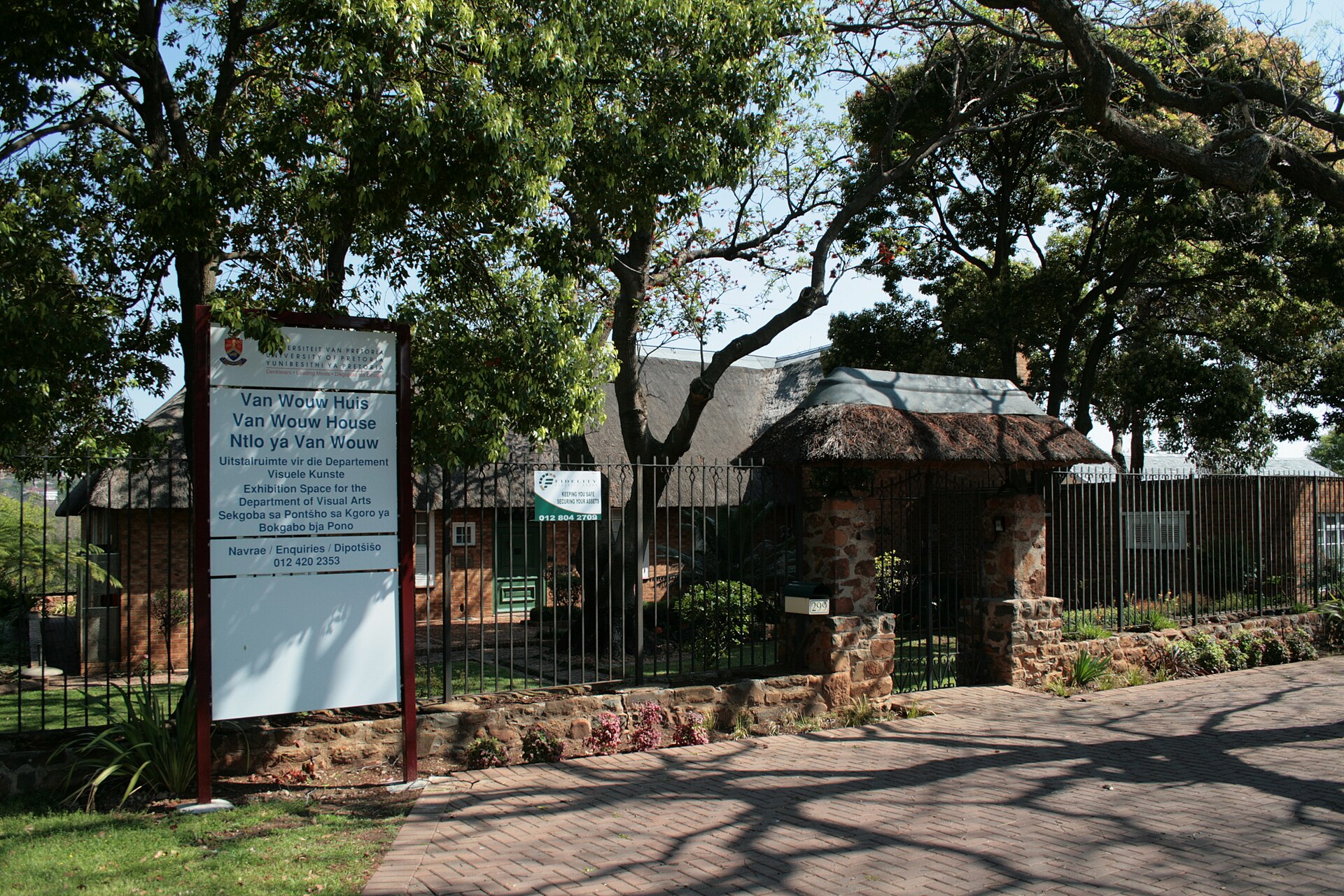
The Van Wouw Museum sits quietly on the edges of Pretoria, a place where time seems to slow just enough to let you notice the details. It’s dedicated to Anton van Wouw, a sculptor whose work helped shape South Africa’s visual identity in the early 1900s. The museum occupies the house where he spent his final years, and stepping inside feels like entering a space still alive with his presence. Unfinished sketches lie on tables, bronze figures stand in corners, and the air carries the quiet weight of creativity left undisturbed. There’s no grand spectacle here—just the sense that the artist might have just stepped out for a moment.
Van Wouw was born in the Netherlands but spent most of his life in South Africa, arriving as a young man. His sculptures became part of the country’s narrative, capturing the faces of Boer War heroes, Afrikaner leaders, and ordinary people whose lives intersected with its history. The museum doesn’t just display his finished works; it also shows the process behind them—plaster models, tools, photographs, and the small, telling details that reveal how his art came to life. One of the most striking aspects of his work is the way he approached portraiture. His busts don’t just replicate features; they try to capture the essence of a person, their character and inner world, often with remarkable depth.
The house itself is a relic of its time, built in the early 20th century with the understated elegance typical of Pretoria’s architecture. High ceilings, large windows, and wooden floors give the rooms an airy, uncluttered feel, a quality van Wouw clearly appreciated. After his death, the house was donated to the city, and today it preserves not only his art but the environment in which he lived and worked. Walking through the rooms, you notice the small things—a piano, a shelf of books, the way the light falls across a desk—that make the space feel lived-in, as if the artist might return at any moment.
Van Wouw was one of the first European artists in South Africa to take the cultures of its indigenous peoples seriously. His sculptures of Ndebele, San, and Zulu individuals stand out not just for their technical skill but for the respect they convey. These works were a step toward a more nuanced representation of Africa in art, moving beyond stereotypes to something more human and complex. The museum’s collection includes these pieces alongside his other works, offering a glimpse into how his perspective evolved over time.
One of the museum’s strengths is its size. It’s small enough that you can take your time, moving through the rooms without the rush of crowds. If there’s a guide, they don’t just recite facts; they tell stories—about the challenges van Wouw faced, the way his ideas changed, or the personal connections behind certain pieces. The atmosphere is intimate, almost conversational, as if the art is still being discussed rather than simply displayed.
Visiting the Van Wouw Museum isn’t just about seeing the work of an important South African artist; it’s about stepping into a moment when the country was undergoing profound changes. There’s no grandiosity here, just a quiet authenticity. For those interested in art history, it’s a revelation. For others, it’s a surprisingly personal experience, one that lingers long after you’ve left.
The surrounding neighborhood, Brooklyn, is one of Pretoria’s oldest suburbs, with streets lined with early 20th-century houses and well-tended gardens. A walk through the area can be a pleasant way to extend the visit, offering a sense of the city’s history beyond the museum’s walls. There are a few cafes nearby if you want to sit and reflect over coffee, but even without them, the quiet streets and old trees make for a peaceful stroll.
The Van Wouw Museum isn’t just a place to see art; it’s a place where history and creativity intersect naturally. There’s no need for spectacle here—just the quiet power of a space that feels both personal and significant. Whether you come for the art or the atmosphere, it’s the kind of place that stays with you.