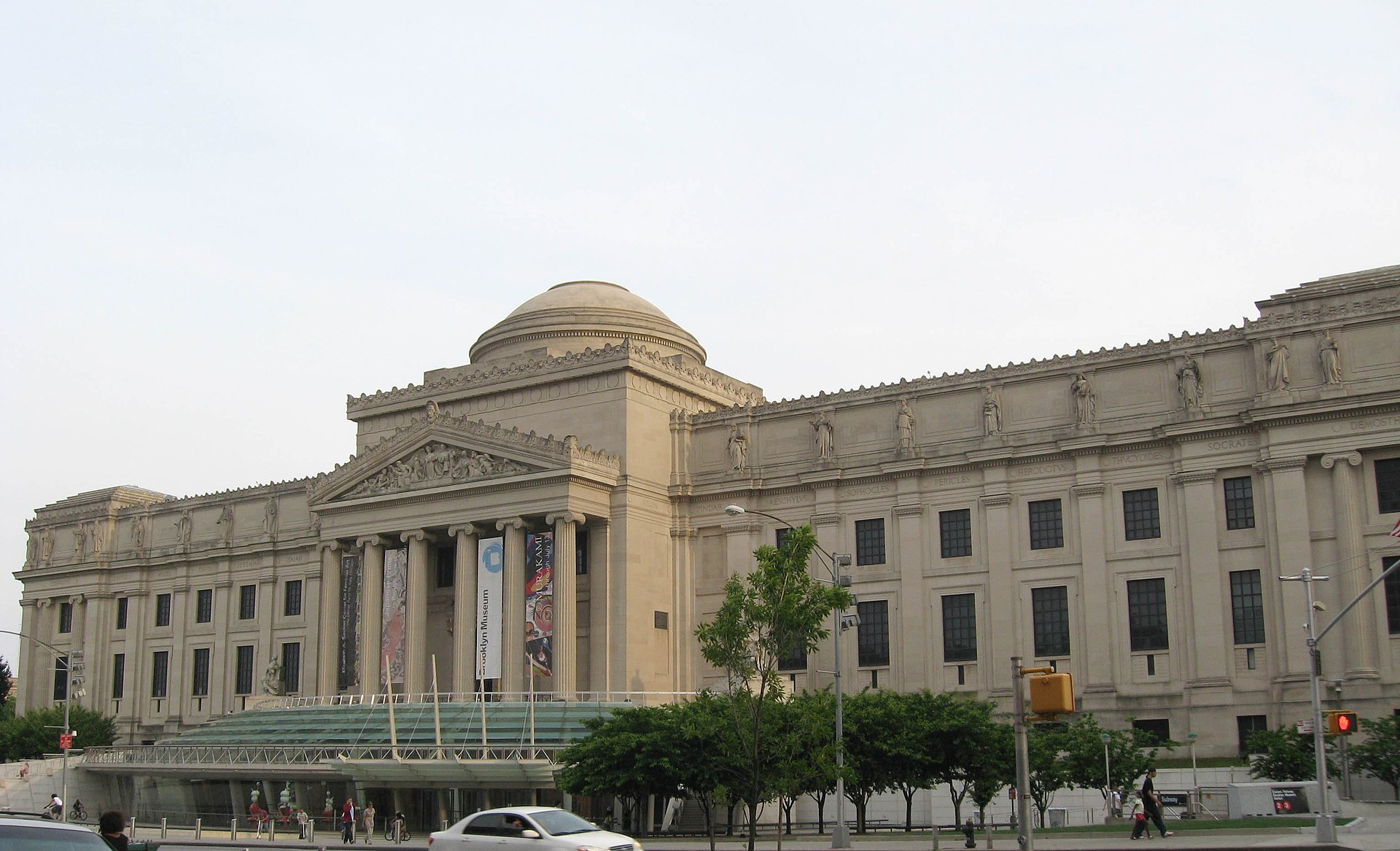
The Brooklyn Museum in Pretoria is one of those rare places where South African history feels alive—not through dry dates or textbook facts, but through the objects, faces, and stories that fill its halls. It may not have the fame of Cape Town’s or Johannesburg’s grand institutions, but that’s part of its charm. Here, the past unfolds without the crowds or the self-importance that often comes with larger museums. The building itself is a relic of another era, its imposing columns and high ceilings a reminder of the colonial ambition that once shaped the country. Inside, though, the space has been reimagined with quiet thoughtfulness—light-filled galleries, carefully arranged exhibits, and an atmosphere where the only sounds are the soft footsteps of visitors.
Founded in the early 20th century, the museum emerged during a time of profound change for South Africa. The country was still grappling with its identity, and the museum’s collections reflected that uncertainty, gathering artifacts that spoke to the land, its people, and their cultures. Today, the exhibits weave together a complex narrative: archaeological finds, everyday objects from Indigenous communities, artworks, documents, and photographs that reveal the layers of a nation’s story. Among the most compelling displays are those tied to the apartheid era—not as a condemnation, but as an invitation to reflect on how politics shapes ordinary lives.
One of the museum’s most moving sections is dedicated to the Nguni peoples, including the Zulu, Xhosa, and Swazi. Here, traditional beadwork, weapons, ritual masks, and musical instruments are displayed, but the real power lies in the stories behind them. Take the vibrant beadwork of the Ndebele, for example. What might seem like simple patterns are actually a language—colors and arrangements that convey age, status, or even the wearer’s mood. Nearby photographs of women in traditional dress make it clear that these aren’t just relics; they’re part of a living culture that continues to evolve.
The museum’s archaeological collection offers a glimpse into South Africa’s deep past. Stone tools, fossils of ancient animals, and casts of early human footprints found in local caves all speak to a time long before recorded history. The most striking pieces come from Sterkfontein, where the remains of Australopithecus—our distant ancestors—were discovered. These finds are a humbling reminder that humanity’s origins lie in this very region. Not everything is on display, of course; much remains in storage, but even what’s visible is enough to make you pause and consider the fragility of human history.
The art collection, though smaller than those in major galleries, is no less compelling. It spans European masters of the 18th and 19th centuries alongside contemporary South African artists, offering a window into how the country’s creative expression has shifted over time. Colonial-era landscapes give way to works that grapple with identity, struggle, and freedom. Some pieces provoke debate, and that’s as it should be—art isn’t meant to be passive. It challenges, unsettles, and sometimes even divides, but that’s what makes it worth engaging with.
Beyond its permanent exhibits, the museum stays dynamic through temporary shows, lectures, and workshops that encourage visitors to see familiar subjects in new ways. A few years ago, an exhibition focused on the role of women in South African history—from queens and warriors to modern activists—highlighted how the museum responds to contemporary conversations. It’s a place that doesn’t shy away from difficult topics, and its willingness to evolve keeps it relevant. Entry is free, though donations are welcome, a rarity for an institution of this caliber and a gesture that makes it accessible to everyone.
A visit here isn’t just about learning history; it’s about understanding the South Africa of today. There are no easy answers, only questions: How do different cultures coexist? How does the past shape the present? What does it mean to be South African now? In that sense, the Brooklyn Museum mirrors the country itself—complex, layered, and sometimes contradictory, but always fascinating. After leaving, you’re left not just with memories of what you’ve seen, but with a desire to return, to look closer, to read the labels again and notice the details you missed the first time.
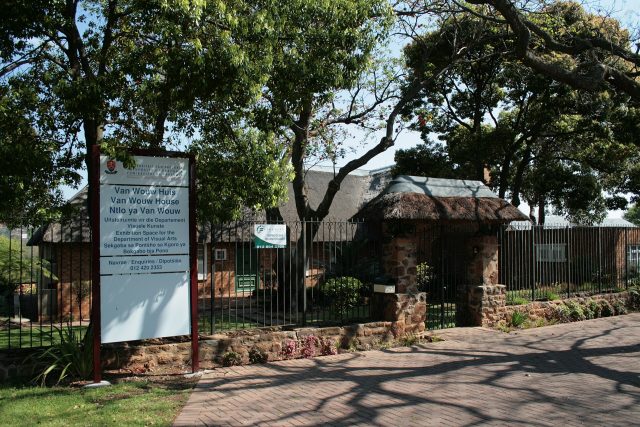
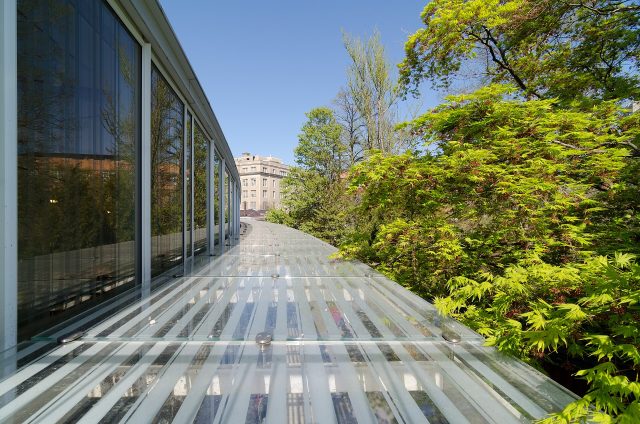
The museum sits in a quiet corner of Pretoria, away from the city’s busier tourist spots. The surrounding neighborhood is peaceful, with green parks and small cafés where you can linger after your visit. The museum’s own garden is a tranquil space, dotted with sculptures and installations by contemporary artists. It’s the kind of place where you can sit on a bench, listen to the birds, and reflect on how history isn’t just something that happened—it’s something we’re still shaping. That might be why the Brooklyn Museum doesn’t strive for fame or crowds. It simply does what it was meant to do: preserve the past and help people make sense of it.