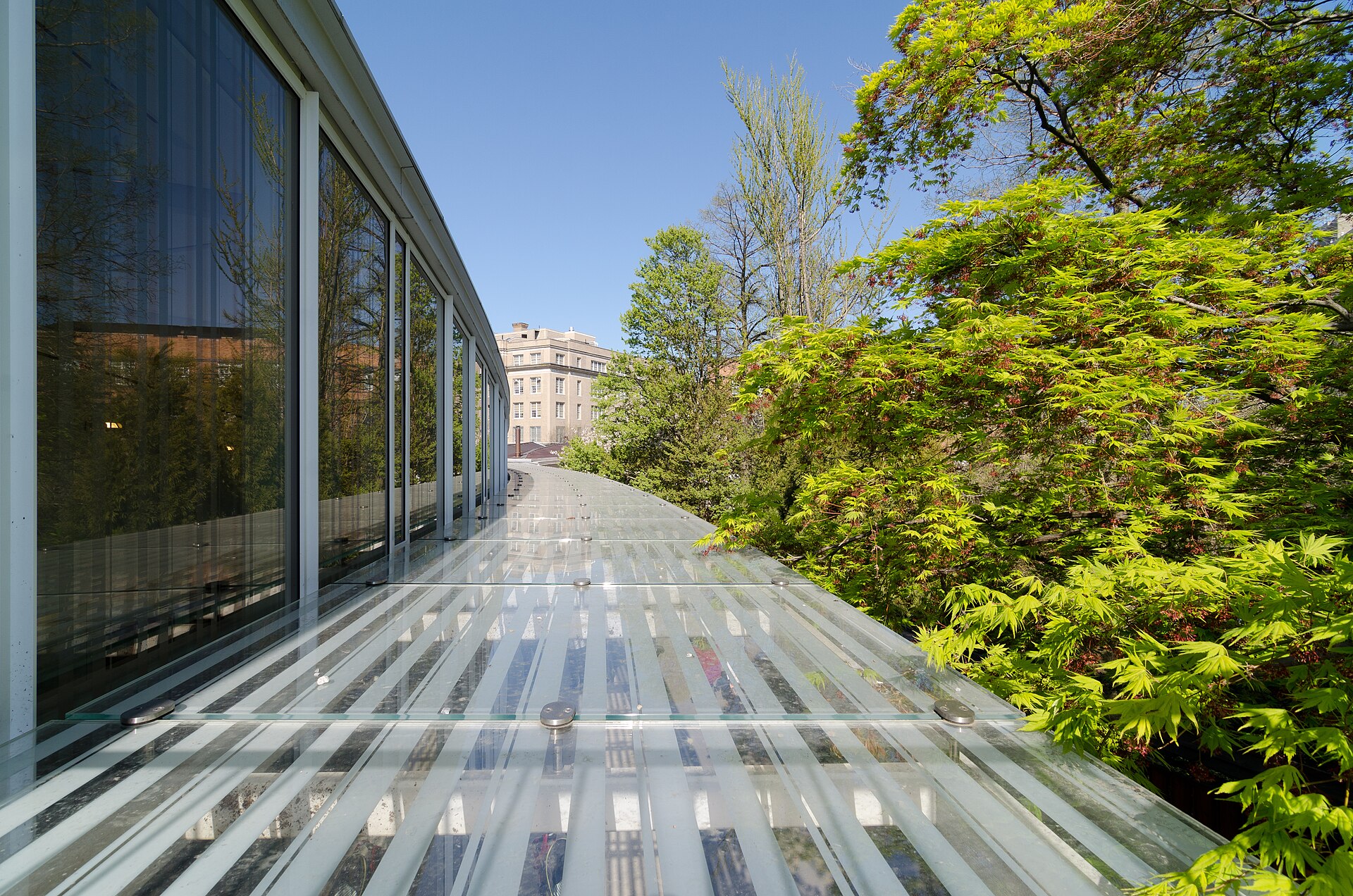
The Brooklyn Botanical Garden in Pretoria is one of those rare places where the city and nature seem to exist in perfect harmony. Tucked away on a sprawling expanse of land, it feels like a world apart, where time moves at its own unhurried pace. Established in the early 20th century, the garden was one of the first of its kind in South Africa, created at a time when urban planners were just beginning to recognize the importance of green spaces in rapidly expanding cities. Pretoria was still a modest town back then, but even in those days, there was an understanding that preserving pockets of wilderness amid urban development was essential.
The garden’s design is understated, with no grand monuments or elaborate structures to distract from its true purpose. Here, the plants take center stage, and everything is arranged to showcase their beauty and diversity. The layout is divided into thematic sections, each offering a different glimpse into the world of flora. One of the most striking areas is the succulent collection, home to rare species of aloes and euphorbias that thrive in South Africa’s arid climate. These plants are not just visually striking; their resilience makes them a fitting symbol of the region’s natural heritage.
A highlight for many visitors is the rose garden, planted in the mid-20th century. It features hundreds of rose varieties, from classic tea roses to modern hybrids, and during the spring and early summer blooming season, it becomes a fragrant sea of color. People come not just to admire the flowers but to linger on the benches, soaking in the rich scents. Nearby, a small pond adds to the tranquility, with ducks gliding across the water and water lilies dotting the surface.
For those with an interest in history, the garden holds a few quiet treasures. The old greenhouse complex, built in the 1930s, still stands today, though it now houses tropical plants rather than the exotic species once cultivated for scientific study. The original brick walls and tall windows remain, offering a glimpse into the garden’s past. Not far away, a memorial avenue pays tribute to the visionaries who founded the garden, a subtle reminder of the people who made this green sanctuary possible.
Beyond its role as a place of beauty, the Brooklyn Botanical Garden is also an important center for research and education. It collaborates with universities and scientific institutions, using its plant collections to study topics like ecology, conservation, and how species adapt to changing environments. Visitors can join guided tours or attend lectures to learn more about South Africa’s flora and the challenges of preserving it. Workshops on gardening, led by experts, are particularly popular, offering practical advice on cultivating local plants.
The garden’s atmosphere shifts with the seasons. In summer, it’s a lush, vibrant space where shaded paths provide relief from the heat. Autumn brings a softer, more introspective mood, with leaves turning warm hues and the air growing crisp. Winter strips the garden down to its essentials, but there’s a quiet beauty in the bare branches dusted with morning frost. Spring, however, is when the garden truly comes alive, bursting with color as if nature itself is waking up earlier here than anywhere else.
Despite its scientific importance, the garden remains a welcoming place for everyone. On any given day, you might see families with children, students sketching or taking notes, elderly visitors enjoying the peace, or artists capturing the play of light through the trees. Weekends bring a livelier energy, with open-air concerts, craft markets, and flower festivals. There are even interactive areas designed for children, where they can learn about nature in a hands-on way.
More than just a park, the Brooklyn Botanical Garden is a living entity that grows and evolves alongside the city. It serves as a reminder of how vital it is to maintain a connection with nature, even in the midst of urban life. Here, you can escape the hustle and bustle, breathe in the fresh air, and immerse yourself in the diversity of the plant world. Though it sits in the heart of Pretoria, the garden offers a sense of solitude and calm, as if transporting visitors to a slower, more peaceful world.