Coney Island isn’t just a place on the map—it’s a feeling, a rhythm, a piece of New York that refuses to be ordinary. Tucked at the southern edge of Brooklyn where the city meets the Atlantic, it’s always been more than just a beach or an amusement park. The salt air, the distant hum of roller coasters, the way the boardwalk stretches into the horizon—it all adds up to something that lingers long after you’ve left. This is where New York lets its hair down, where the energy of the city softens into something playful, almost nostalgic.
The story of Coney Island begins long before the first hot dog stand or roller coaster. Centuries ago, the Lenape people knew this sandy spit of land as *Narrioch*, a place without shadows. Dutch settlers later called it *Conyne Eylandt*, though no one’s entirely sure why—some say it was for the wild rabbits that once roamed here, others think it was a mishearing of the original Lenape name. By the mid-1800s, New Yorkers started flocking here to escape the summer heat, first with simple wooden bathhouses, then with grand hotels and early amusement rides. By the turn of the century, Coney Island had become America’s playground, a place where the rules of the city didn’t apply.
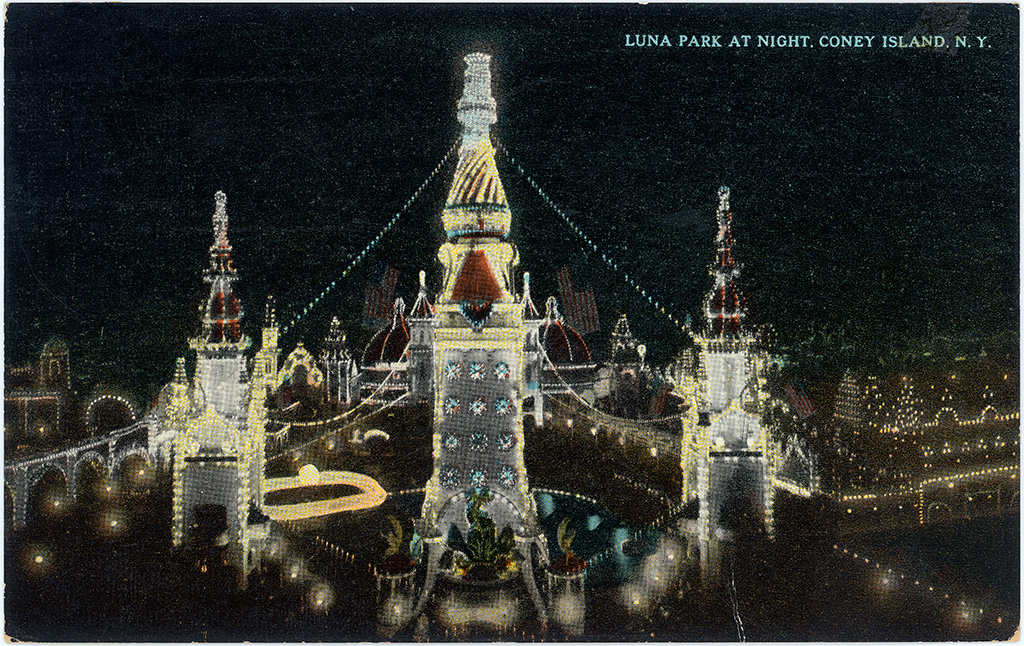
The early 1900s were Coney Island’s golden age, when it was the heart of American entertainment. Parks like Steeplechase and Dreamland dazzled visitors with electric lights, exotic sideshows, and roller coasters that pushed the limits of engineering. The Cyclone, built in 1927, still stands as a monument to that era—a wooden beast of a ride that rattles and roars just as it did when it first opened. Back then, Coney Island was a great equalizer. Factory workers, Broadway stars, and politicians all rubbed shoulders here, united by the thrill of the rides and the promise of a good time. For a few hours, the divisions of the city melted away.
But Coney Island’s history hasn’t been all glitter and lights. The Great Depression, fires, and competition from newer amusement parks took their toll. By the mid-20th century, the place had fallen into disrepair, its glory days seeming like a distant memory. Yet in the 1970s, a revival began. Locals and city officials worked to restore the old landmarks, and slowly, Coney Island found its footing again. Today, it’s a mix of old and new—modern rides stand alongside vintage attractions, and the boardwalk buzzes with life even as the skeletal remains of long-gone parks whisper of the past.
There’s a certain charm to Coney Island’s architecture, though it’s not the kind you’d find in a guidebook. No skyscrapers or grand cathedrals here—just a collection of weathered facades, neon signs, and structures that look like they’ve been plucked from another era. The Parachute Jump, a towering relic from the 1939 World’s Fair, is the closest thing Coney Island has to a landmark. Once a thrilling ride where visitors plummeted toward the ground, it now stands empty, its skeletal frame glowing with lights at night. Nearby, the old wooden roller coasters creak and groan, their rickety charm a far cry from the sleek, computer-designed rides of today.
The beach is another side of Coney Island, one that changes with the seasons. In summer, it’s packed with sunbathers, kids building sandcastles, and the occasional brave soul wading into the chilly Atlantic. The boardwalk, named after a former Brooklyn borough president, stretches for miles, offering a front-row seat to the ocean and the endless parade of people. Come winter, the beach empties out, and Coney Island takes on a quieter, almost melancholic mood. The wind howls off the water, the rides stand still, and the place feels like a secret, a corner of the city where time slows down.
Food has always been part of Coney Island’s identity. The hot dog, as the story goes, was born here in 1867 when a German immigrant named Charles Feltman started selling sausages in rolls to beachgoers. Whether or not that’s entirely true, the hot dog became synonymous with the place. Today, you can still grab one from Nathan’s Famous, the legendary stand that’s been serving them since 1916. But the food scene goes beyond just hot dogs—there’s cotton candy, fried clams, corn on the cob, and all the other messy, delicious snacks that make summer feel like summer. Eating here isn’t just about filling your stomach; it’s part of the experience, a ritual that connects you to generations of visitors who’ve done the same.
Coney Island has its own traditions, too. Every summer, the Mermaid Parade kicks off the season, a surreal procession of sequined sea creatures, floats, and performers marching down the boardwalk. There’s the Hot Dog Eating Contest, where competitors stuff their faces in front of cheering crowds, and the annual Nathan’s Famous Fourth of July celebration, a spectacle of patriotism and processed meat. These events give Coney Island its carnival atmosphere, a sense that anything can happen here. Even if you’re not into the crowds, the energy is infectious—it’s hard not to get swept up in the joy of it all.
But Coney Island isn’t just for tourists. It’s a neighborhood, a place where people live and work, where the rhythms of daily life mix with the echoes of the past. Locals know the best spots—the quiet stretch of beach where the sunset is perfect, the ride that never breaks down, the little café with the best coffee. For them, Coney Island is more than just an amusement park; it’s a part of their story, a place where memories are made. That’s why it endures, why it still feels alive even as the city around it changes.
What makes Coney Island special isn’t that it’s perfect—it’s that it isn’t. It’s loud, a little chaotic, and sometimes overwhelming, but that’s what gives it its soul. It’s not a polished theme park where every detail is controlled; it’s a place where you can stumble upon an old ride that’s been running for decades, where the lights of the boardwalk blur into a kaleidoscope of colors, where you can sit on a bench and watch the world go by. Time moves differently here. For some, it’s a trip down memory lane; for others, it’s a chance to be part of something bigger than themselves. And for many, it’s just a little slice of New York where the city’s energy softens into something warm, familiar, and entirely its own.