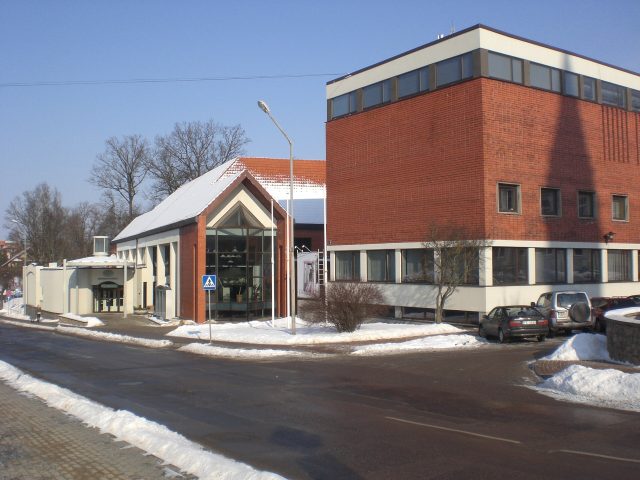
Valmiera Museum is one of those rare places where the past doesn’t just sit behind glass—it breathes. Tucked away on a quiet street in the heart of the city, the museum occupies a late 19th-century mansion that feels like a relic in itself. Built in a style typical of the Baltic region, the building blends Gothic revival elements with sturdy brickwork, a nod to the German architectural traditions that once shaped this part of Latvia. The moment you step inside, the creaking floors and high ceilings seem to whisper stories of the people who lived here long before it became a museum.
The exhibits span centuries of history in Vidzeme, a region that has always been a crossroads of cultures. You’ll find tools, household items, and clothing that belonged to Latvian peasants, craftsmen, and townsfolk—everyday objects that tell a bigger story. There are spinning wheels, intricately carved wooden chests, and delicate silver jewelry, each piece a fragment of a life lived long ago. The museum also highlights Valmiera’s role as a center of trade and craftsmanship, with displays of textiles, metalwork, and documents that show how the town’s economy evolved under German, Swedish, and Russian rule.
One room is dedicated to the region’s military history, where weapons, uniforms, and photographs bring the conflicts of the 20th century into sharp focus. The exhibits from the early 1900s are particularly moving, especially those tied to Latvia’s struggle for independence. The museum doesn’t just preserve artifacts; it keeps the memory of those who fought alive, sometimes hosting descendants of the people who shaped those events. Their personal stories add layers to the displays, making history feel immediate rather than distant.
The building itself is part of the experience. Originally a home for a wealthy family, it still retains some of its original grandeur—ornate plasterwork, carved wooden panels, and old fireplaces that hint at the comforts of a bygone era. Downstairs, the basement reveals remnants of earlier foundations and utility systems, a reminder of how the city’s infrastructure has changed over time. The contrast between the opulent interiors and the humble tools of peasant life in the exhibits creates a fascinating tension, showing how different layers of society coexisted.
Beyond its permanent collection, the museum hosts temporary exhibitions that often focus on local history, art, or ethnography. There are lectures, workshops on traditional crafts like weaving and pottery, and educational programs for schoolchildren. Events tied to folk traditions—such as exhibitions of vintage costumes or demonstrations of old techniques—draw both visitors and locals. For many in Valmiera, the museum is more than a place to learn; it’s a gathering spot where generations connect over shared heritage.
What makes this museum special is its living connection to the community. Staff often collaborate with local historians, researchers, and even students who contribute to ongoing projects. The collection grows organically, with residents occasionally donating old photographs or items they’ve found in attics or barns. This grassroots approach ensures that the museum doesn’t just preserve history but keeps it relevant, weaving the past into the fabric of modern life.
A visit here offers more than just a lesson in history—it’s a chance to understand Valmiera itself. The city might seem like a quiet provincial town at first glance, but its streets hold layers of stories. Latvians, Germans, Russians, and Jews have all left their mark here, and the museum helps untangle those influences. It’s not just about what happened; it’s about how those events shaped the people and the place they call home.
Unlike larger museums, Valmiera Museum doesn’t feel crowded or rushed. There’s no pressure to move quickly, no overwhelming tourist traffic. Instead, you can take your time, linger over an exhibit, or ask questions of the guides, who often share personal anecdotes or lesser-known details. Some items are even available to handle, making the past feel tangible. It’s a place where history isn’t just observed—it’s experienced, quietly and thoughtfully. For anyone curious about the soul of a small Latvian city, this is where to begin.