The Gauja River winds through the heart of Latvia, stitching together forests, towns, and centuries of history. It begins as a modest stream in the Vidzeme Highlands, gathering strength from small springs before swelling into a river that stretches nearly five hundred kilometers. For Valmiera, the Gauja is more than just a waterway—it’s a defining presence in the city’s daily rhythm, its landscape, and even its character. Here, the river moves at an unhurried pace, its banks shifting from gentle slopes draped in willow thickets to steep cliffs where layers of reddish sandstone peek through, known locally as "red stone." The water reflects the changing seasons, from the golden hues of autumn to the quiet stillness of winter ice.
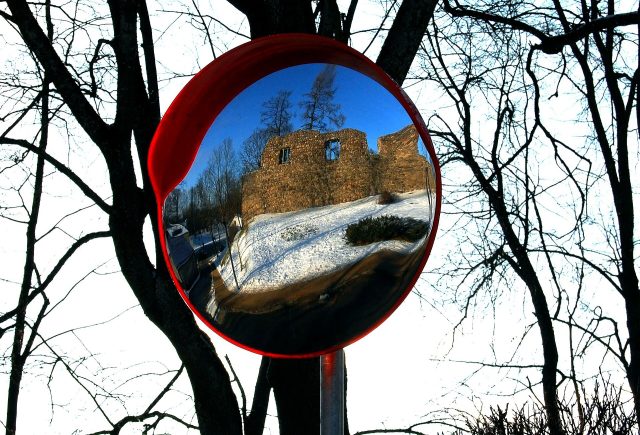
Valmiera has stood on the banks of the Gauja for over eight hundred years, and the river has witnessed much of the city’s story. In the Middle Ages, it served as a vital trade route, connecting Riga to the inland regions of Livonia. Timber, grain, and other goods were floated downstream, while settlements sprang up along its shores to accommodate merchants and craftsmen. Traces of that era remain, not just in old maps but in the fragments of fortifications that once guarded the city. The ruins of Valmiera Castle, built in the 13th century by the Livonian Order, still loom over the river, a reminder of a time when water was both highway and boundary.
The city’s architecture is deeply tied to the Gauja. Along its banks, rows of low-slung houses with terracotta roofs stretch into the distance, many dating back to the 19th century when Valmiera flourished as a center of trade and industry. Mills, tanneries, and small shipyards once lined the river, and some of those buildings still stand today, repurposed as cafes, guesthouses, or studios for local artists. A walk along the embankment reveals how seamlessly the river has woven itself into the fabric of the city—sometimes disappearing behind buildings, only to reappear in a wide, shimmering expanse that mirrors the sky.
Beyond its historical and urban role, the Gauja in Valmiera is a haven for nature. Within the city limits, the river flows lazily, forming small bays and oxbow lakes where ducks and herons nest. But just beyond the urban edge, the landscape transforms. The Gauja meanders through dense pine and spruce forests, its banks growing steeper and its waters clearer. Here, beavers build their dams, woodpeckers drum in the old-growth trees, and the air carries the scent of resin and damp earth. In summer, the riverbanks draw picnickers and anglers, while autumn paints the surroundings in fiery shades of amber and crimson, creating a sense of quiet beauty.
For locals, the Gauja is a place of leisure and connection. In warmer months, people swim, paddle kayaks, or simply lounge on the river’s sandy beaches. One of the most popular spots is near Gaujas Parks, where playgrounds and barbecue areas make it easy to spend a whole day by the water. Those seeking adventure can follow the river upstream or down, exploring the surrounding countryside. Just a short distance from the city lies the Gaujas Udens nature park, where rare plants and wildlife thrive in the peaceful forest setting.
The river also plays a central role in Valmiera’s cultural life. Every summer, festivals and concerts celebrate its presence, often with events tied to the water. The annual Gaujas Svētki, or River Festival, brings the community together on the banks for markets, workshops, and performances. In winter, the frozen river becomes an impromptu stage for hockey games and ice-skating races. For many residents, the Gauja is more than a landmark—it’s a symbol of home, a thread that ties the past to the present.
Unlike the dramatic gorges and rapids the Gauja is known for in the national park further downstream, here in Valmiera it feels gentler, more intimate. It’s not the kind of river that demands attention with its wild beauty; instead, it quietly accompanies the city’s daily life. You might glimpse it from a bus crossing one of the bridges, or hear the soft rush of water while walking through the evening streets, where the river’s surface catches the glow of streetlights. It’s a constant, unobtrusive presence, shaping the city in ways both seen and unseen.
In recent years, the Gauja has also become a focal point for efforts to preserve and enhance Valmiera’s natural and urban environment. Projects to revitalize the embankments, clean the river, and develop cycling paths along its banks reflect a growing awareness of the need to protect what makes the city unique. These initiatives aren’t just about attracting tourists—they’re about ensuring that the Gauja remains a living part of Valmiera’s identity. After all, the river is more than just water flowing between banks; it’s a repository of memories, a vital part of the present, and a promise for the future.