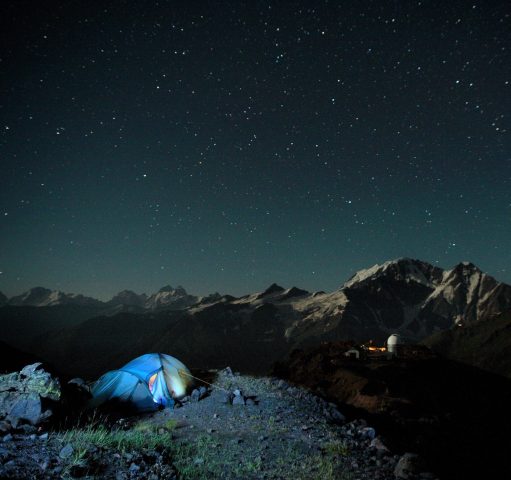
Adyl-Su Gorge is one of those places in the Caucasus that draws people not for postcard-perfect views, but for the raw, untouched feel of the mountains. It begins where the paved road from Terskol ends, giving way to a rough track that winds upward between cliffs and glaciers. There are no crowds here, no noisy cafes or souvenir stalls—just the mountains, the river, and a silence broken only by rushing water and the occasional cry of a bird. This isn’t so much a tourist attraction as it is a place where you can step away from the world, even if just for a little while.
The gorge is part of an ancient glacial valley, shaped over thousands of years. The Adyl-Su River, which gives the place its name, starts high in the mountains near Mount Elbrus, cutting through a narrow cleft between towering rock walls. The water stays icy even in summer, and the current is so strong that only experienced hikers dare to wade across. Higher up, the river splits into smaller streams, feeding alpine lakes and marshy meadows where wildflowers bloom in the warmer months.
The history of Adyl-Su is closely tied to the exploration of Elbrus. During the Soviet era, trails were carved out here for mountaineers, and alpine camps were built in the surrounding valleys. Some of those old structures still stand, half-abandoned, a reminder of a time when the Caucasus was a magnet for adventurers. Today, the gorge remains a favorite for climbers and those looking to escape civilization for a few days. There are no hotels or restaurants, but basic guesthouses and mountain huts offer shelter and supplies for those heading deeper into the wilderness.
There’s no grand architecture here—just nature and a handful of buildings that serve the needs of hikers and climbers. The most notable is the Adyl-Su alpine camp, founded in the mid-20th century. It looks like a small village of wooden cabins and tents scattered across the slope, a temporary home for climbers before they set out on their routes. Nearby, a small weather station tracks conditions on Elbrus, providing crucial data for anyone planning an ascent.
The weather in the gorge is unpredictable, and that’s part of its charm. Mornings can be clear and sunny, only for fog to roll in by midday or rain to start pouring. Even in summer, the air stays cool, and nights can get downright cold. Winter blankets the gorge in snow, making it accessible only by snowmobile or skis. For many, this ever-changing weather is what makes Adyl-Su special—no two days here are ever the same.
People come to Adyl-Su for different reasons. Some are on multi-day treks toward Elbrus, while others just want to camp by the river, listening to the water and watching the stars. In summer, you might meet botanists studying alpine plants or photographers searching for the perfect shot. Autumn brings mushroom pickers, drawn by the forests rich with porcini and boletes. In winter, the gorge becomes a playground for freeriders and ski tourers, who come in search of untouched slopes.
Getting here is easiest from Terskol. A dirt road leads from the village to the start of the gorge, served by minibuses and taxis. From there, you can walk or hitch a ride to the alpine camp if you’re lucky. The area can get busy in season, but step off the main trail, and you’ll find yourself alone with the mountains. Just remember that the Caucasus demands respect—weather can shift in an instant, and help isn’t always close by.
Adyl-Su isn’t a place for those who prefer comfort and predictability. There are no attractions, no guided tours, no distractions. Instead, there’s the chance to see the Caucasus as it was before mass tourism: wild, imposing, and a little unforgiving. You might spend a day here, or you might stay for a week—it all depends on how badly you want to leave the familiar behind. But one thing is certain: the mountains don’t tolerate carelessness, and even a short walk through the gorge requires preparation and caution.