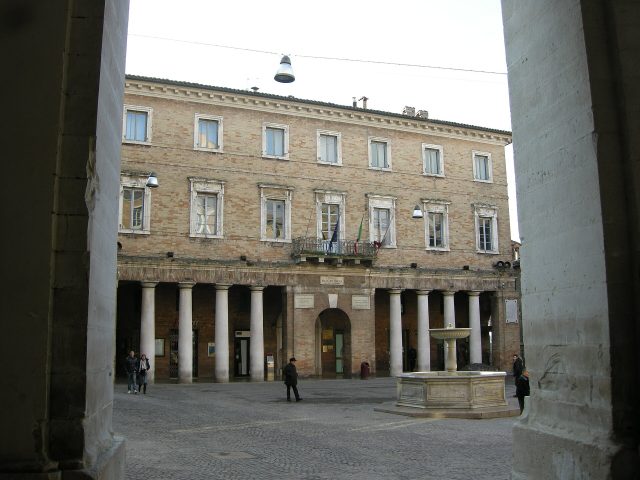
Urbino sits among the rolling hills of the Marche region, its skyline rising over the landscape. The town unfolds in layers, narrow streets climbing upward, lined with stone houses and wooden shutters. At its heart is the University of Urbino, founded in the 16th century under Federico da Montefeltro.
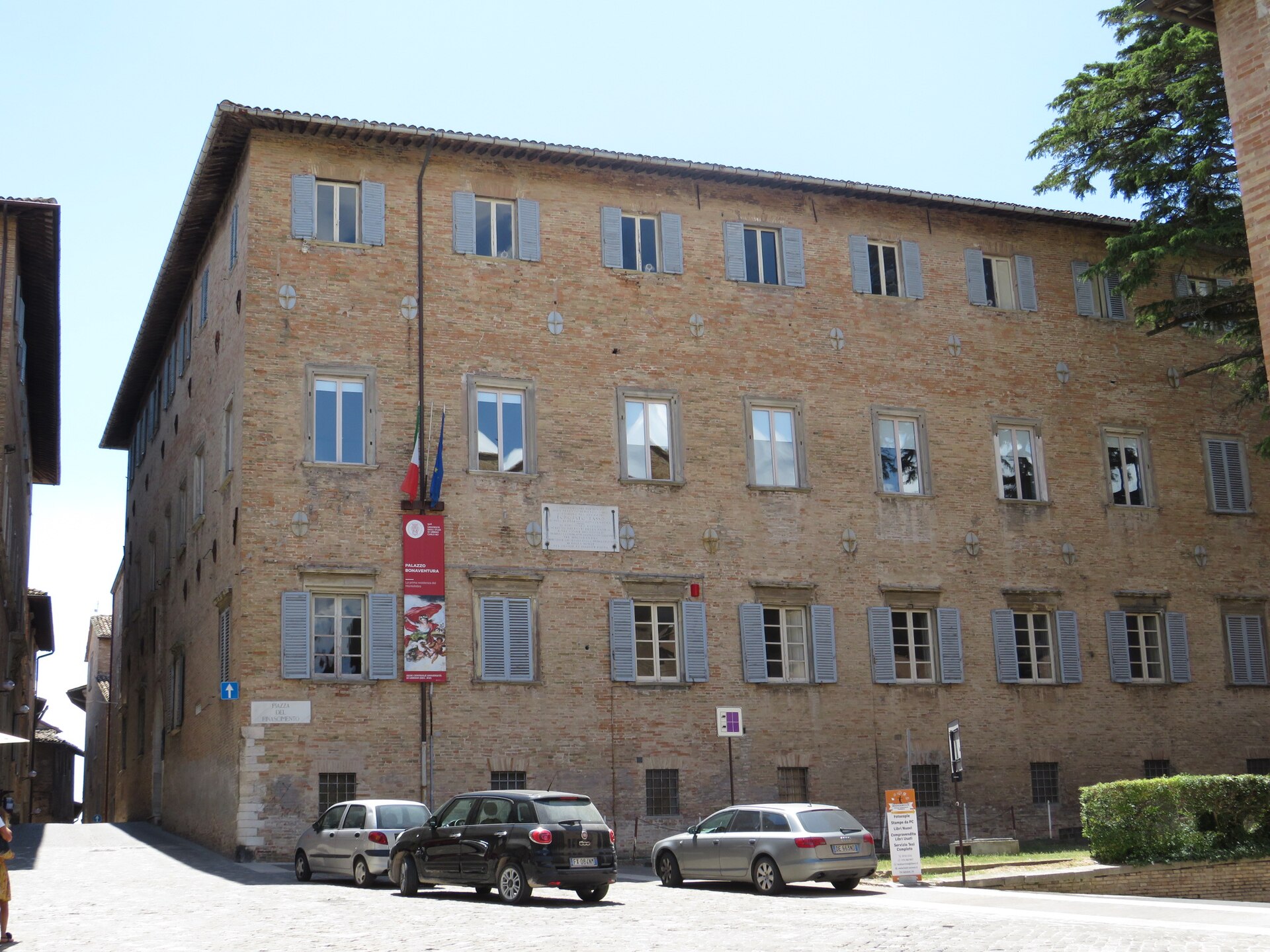
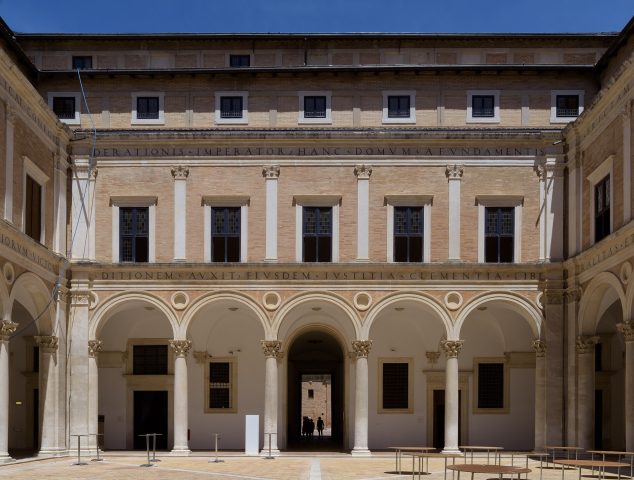
The university’s buildings are part of the old town. The main building was once a ducal palace, where artists, scholars, and philosophers gathered during the Renaissance. Facades still display the coats of arms of noble families, and inside, high ceilings are painted with frescoes. Students walk the same staircases once used by Leonardo da Vinci and Raphael. It’s a place where lectures are held in rooms with centuries-old walls.
The pace is slow. In the morning, students climb the steep streets to classes; in the afternoon, they sit in cafés with espresso; by evening, they gather on the cathedral steps or by the fountain. The town’s rhythm shapes their days.
During the Renaissance, Urbino was a center of learning, drawing thinkers whose work remains known today. The university still teaches philosophy, literature, history, art, communication, and cultural studies—subjects that fit a place where the past is visible at every turn.
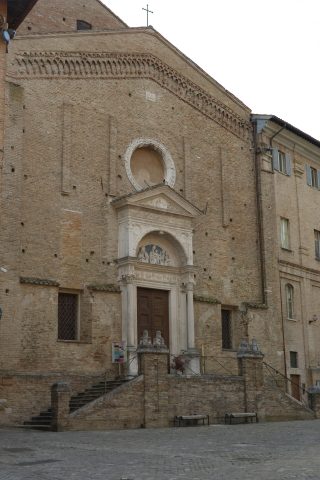
The architecture reflects its history. Many buildings were once palaces or monasteries. The one on Via Saffi was a convent of the Poor Clares; its cloisters now hold lecture halls for philology and history. Courtyards with arched walkways and vaulted ceilings feel like part of the town, not just the university. Classrooms have wooden benches and worn floors.
Urbino is small, and the university is part of its daily life. In summer, when students leave, the town grows quieter. In autumn, it fills again. Students learn from books and from the town—its streets, its people, its pace. Locals see the university as part of their heritage.
Walking through Urbino, you see cobblestone streets, terracotta roofs, hills in the distance. The university isn’t just old buildings—it changes while staying rooted in the town. Time feels different here. For those who study in Urbino, the place stays with them. History isn’t just read about; it’s part of the air, part of the way knowledge is pursued.