Urbino is a city where the past isn’t just preserved—it lingers in the air, in the way sunlight falls on old stone, in the quiet hum of conversation drifting from a café. The Teatro Sanzio is one of those rare places where history doesn’t feel like a relic but something alive, something that still has a voice. Built in the mid-19th century, the theater arrived at a time when Urbino was rediscovering its cultural identity. This was a city that had once been the beating heart of the Renaissance, where Raphael was born and Piero della Francesca painted his masterpieces, where the ideals of humanism took shape in the courts of the Montefeltro dukes. The theater wasn’t just a new building; it was a continuation of that legacy, a space where art wasn’t just performed but reinvented.
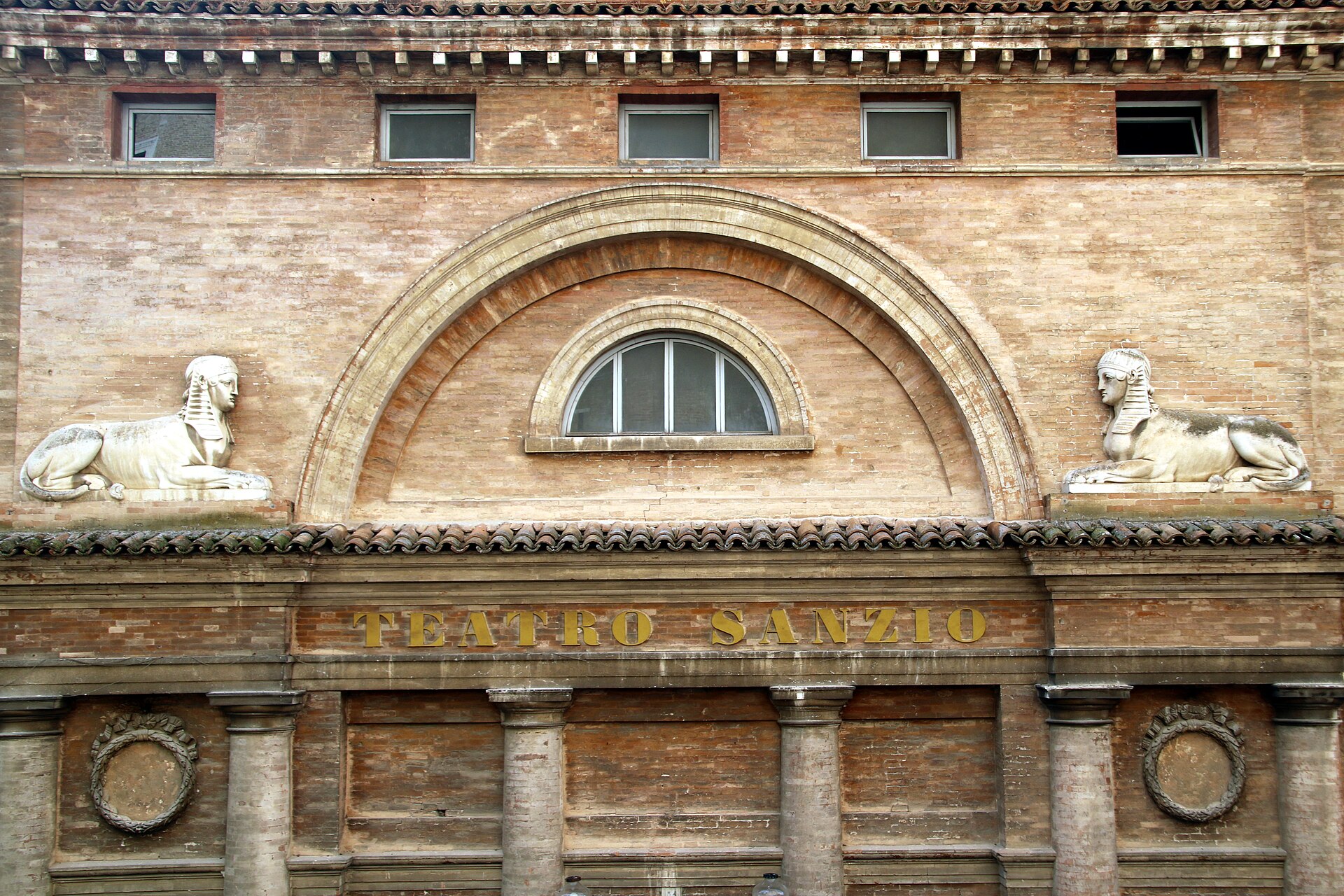
From the outside, the Teatro Sanzio doesn’t demand attention. Its façade is understated, with the kind of classical symmetry that echoes the Renaissance palazzi nearby—arched windows, clean lines, a quiet dignity. Inside, the theater is small but perfectly proportioned. The auditorium curves gently around the stage, with a parterre, boxes, and a modest balcony arranged so that no seat feels distant. The wood paneling, delicate plasterwork, and soft glow of the chandeliers give the space warmth, while the acoustics are so precise that even a whisper carries to the back row. It’s the kind of place where you don’t just watch a performance—you feel part of it.
The theater was never meant for grand spectacles. From the beginning, it was designed for intimacy: chamber operas, recitals, poetry readings. In the 19th century, the works of Verdi and Rossini filled the air, while later, in the 20th century, the stage became a home for experimental theater and contemporary drama. Urbino has always had a deep connection to the past, and the Teatro Sanzio embraced that tradition, particularly through festivals dedicated to Baroque and early music. Today, the programming remains eclectic—classical pieces share the stage with avant-garde works—but the spirit is the same. Here, art isn’t about commercial success; it’s about the craft, the emotion, the moment.
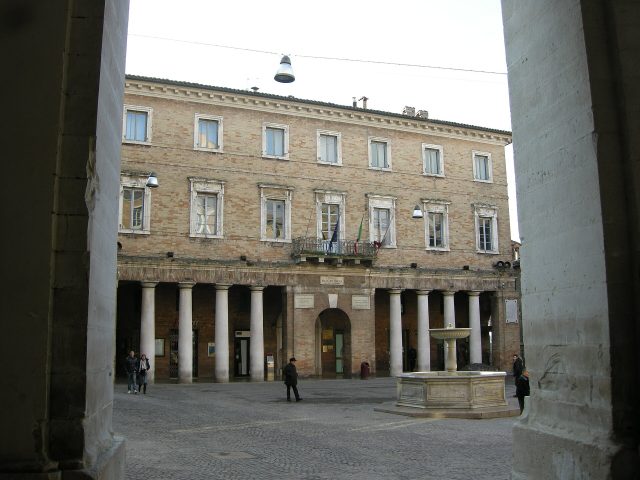
Urbino moves at its own pace, a rhythm set by students shuffling between lectures, by the slow meander of tourists through its medieval streets, by the way time seems to stretch in the afternoon sun. The Teatro Sanzio fits seamlessly into this flow. Tucked into the historic center, it’s just steps away from narrow alleys and quiet piazzas where locals gather to talk over espresso. After a performance, it’s natural to wander down Via Maddalena or linger in a café on Piazza della Repubblica, where the evening’s show is still being discussed. The theater doesn’t stand apart from the city; it’s woven into its fabric, a place where the line between audience and performer, between art and life, blurs.
Like many cultural institutions in Italy, the Teatro Sanzio has had its share of struggles. In the mid-20th century, it fell into disrepair, a fate that befell too many historic theaters during those years. But Urbino isn’t a city that easily lets go of its heritage. Through the efforts of local advocates and public support, the theater was restored—not as a museum piece, but as a living space. The original details were preserved: the plasterwork, the frescoes, the woodwork. The goal wasn’t to freeze the theater in time but to bring it back to life, to ensure it remained a place where art could breathe.
Attending a performance at the Teatro Sanzio is different from going to a show in a major city. There’s no rush, no crowds jostling for the best photo spot. Instead, there’s the quiet anticipation before the lights dim, the sense of being part of something small but significant. It’s the kind of place that draws people who are looking for more than just entertainment—those who come to Urbino seeking something real, something that feels like a connection to the past. The theater doesn’t need to be grand to leave an impression; its power lies in its ability to make every performance feel personal.
Beyond the stage, the Teatro Sanzio serves as a cultural hub. Workshops, lectures, and discussions with artists and directors take place within its walls, offering a behind-the-scenes look at how performances come together. For students at the University of Urbino—known for its strong humanities programs—the theater is both a classroom and a source of inspiration. Many who pass through its doors go on to careers in the arts, and it’s easy to imagine that some of Italy’s future talents are nurtured here, in this unassuming space.
Urbino is often called the city of the Renaissance, and the Teatro Sanzio is one of the places where that legacy feels tangible. It doesn’t compete with Milan’s La Scala or Rome’s opera houses, nor does it try to. Its strength lies in its authenticity, in its refusal to be anything other than what it is. In an age where culture is often packaged and sold, the Teatro Sanzio reminds us that real art isn’t a commodity. It doesn’t need to shout to be heard; it simply exists, waiting for those who are willing to listen.