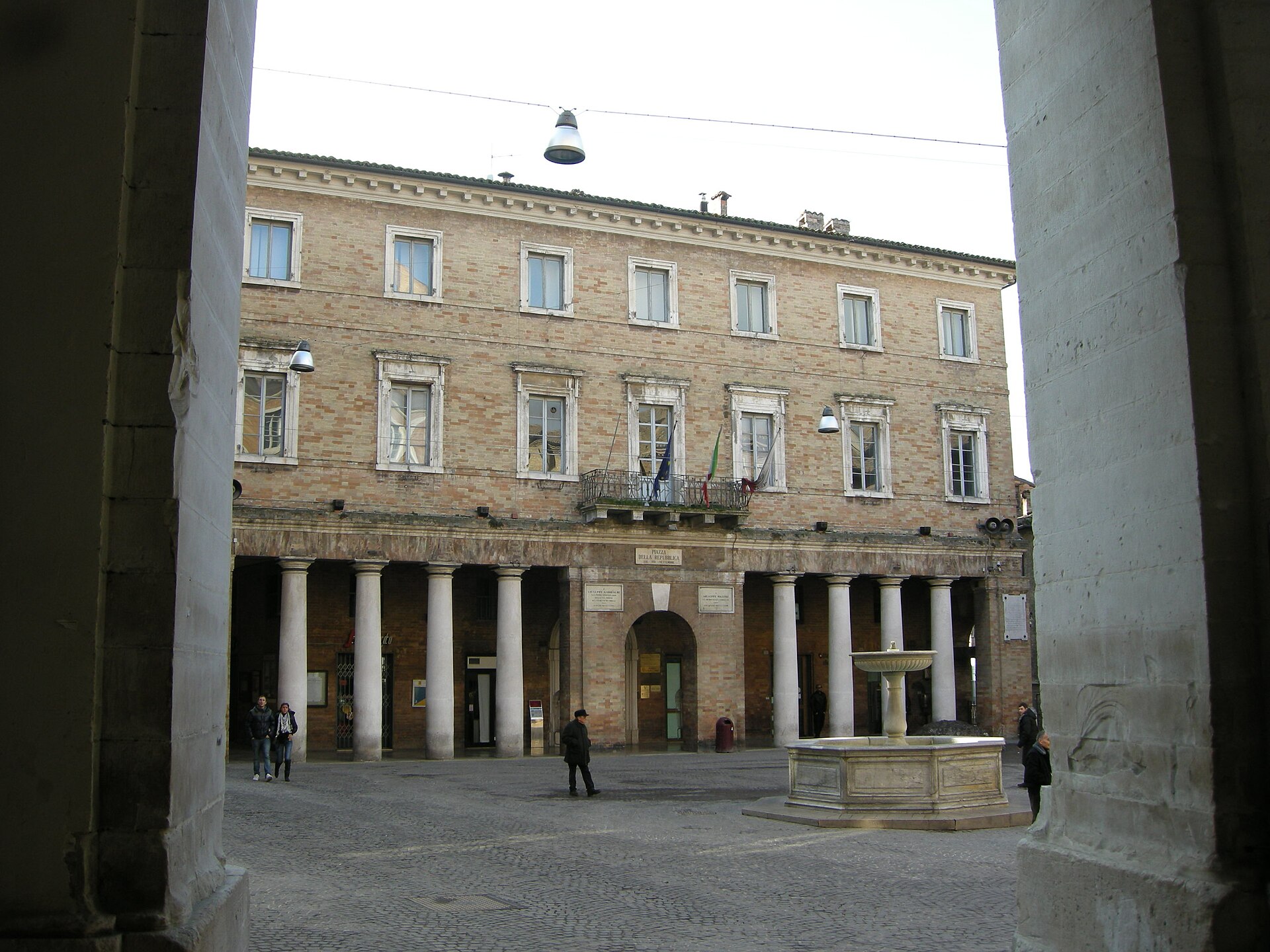
Time moves differently here. The modern world’s rush fades into the quiet rhythm of history, not with fanfare, but with the weight of centuries. The square sits at the heart of the old city, a natural starting point for exploring Urbino, a town that once stood at the center of the Italian Renaissance.
The buildings around it are low, their warm stone facades marked by arched windows and terracotta roofs. There are no towering monuments, no competition for space. Instead, the architecture feels lived-in, shaped by the people who have walked these cobblestones for generations. In the Middle Ages, merchants set up stalls here, neighbors gathered, and the local nobility held celebrations. Today, the square still hums with life, though at its own pace.
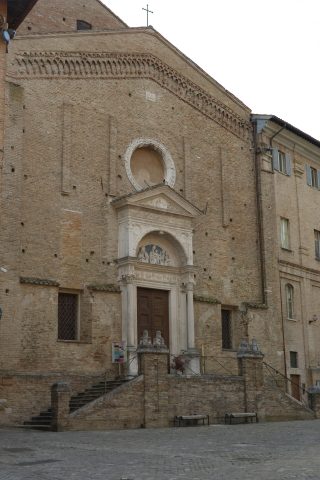
At its center stands the Palazzo del Podestà, once home to the city’s governing officials. Its facade bears coats of arms and carved reliefs, remnants of the power it once held. The heavy wooden doors lead to halls where decisions shaping the town’s fate were made. Now, it houses administrative offices, but its exterior remains largely unchanged. Beside it, the small church of San Giovanni Battista offers a contrast—plain outside, richly decorated within, if you step inside.
Urbino is called an open-air museum, and this square is where that idea feels real. Raphael, one of the Renaissance’s greatest artists, was born here. Walking across Piazza della Repubblica, you might wonder who else stood in this spot—scholars, rulers, artists—each leaving their mark in ways both seen and unseen. The square isn’t just a backdrop; it’s part of the story, where the past feels close enough to touch.
What makes Urbino different? No souvenir stands, no aggressive touts, no sense of being herded. Instead, the square offers space to breathe. In summer, students from the local university lounge in groups, debating or planning. In winter, mist curls around the stone walls, softening the edges of the buildings. The magic lies in the details—the changing light at dusk, the echo of footsteps, the quiet hum of a town that has seen centuries pass.
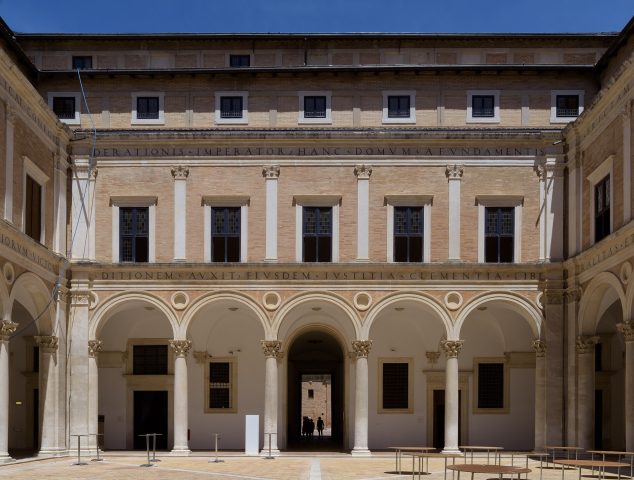
The square is a vantage point. From the surrounding hills, you can see how it fits into the landscape, framed by countryside and ancient walls. Urbino sits on a ridge, its streets rising and falling like waves. Piazza della Repubblica is the anchor, a place to return to after wandering the alleys or visiting the Ducal Palace. From here, you can head to the cathedral, the fortress, or simply get lost in the medieval lanes.
Evening changes everything. As the sun sets, streetlamps cast a warm glow over the stone. Locals take their passeggiata, strolling in pairs or small groups. Visitors rest on benches. There’s no loud music, no clinking glasses—just conversation, leaves rustling, a distant church bell. Time feels suspended, the modern world receding just enough to let the past breathe.
Piazza della Repubblica doesn’t demand attention. It doesn’t have the drama of the Colosseum or the opulence of St. Peter’s Square. Instead, it offers something quieter: a sense of belonging, however brief. You’re not just passing through; you’re part of the town’s rhythm, a small note in its long story. If you come to Urbino, don’t rush to the Ducal Palace or the cathedral. Stand in the square. Look around. Let the town reveal itself. That’s when you’ll understand why it has captivated people for centuries—not for grandeur, but for its quiet, enduring soul.