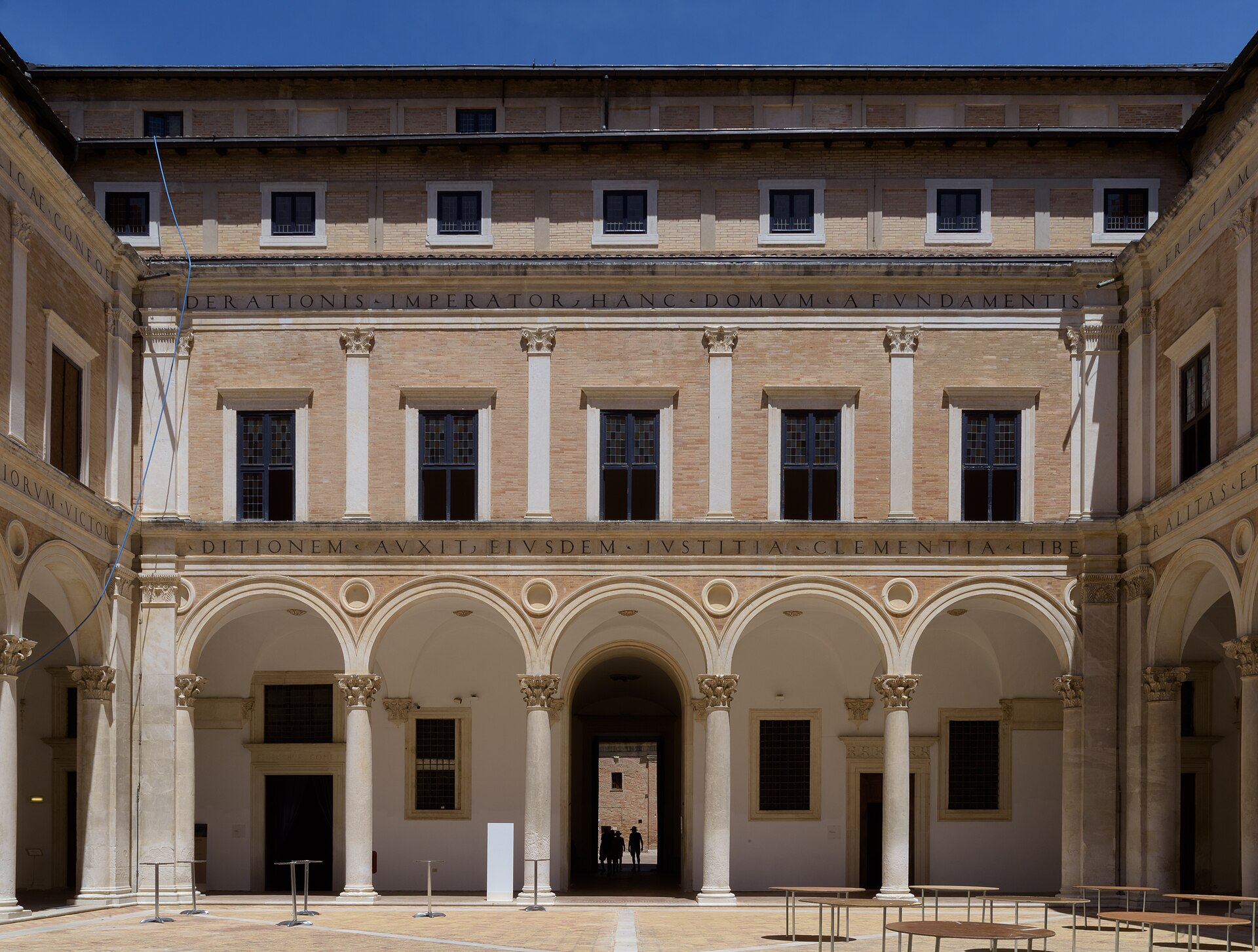
The Ducal Palace in Urbino is one of those rare places where the Renaissance doesn’t just survive—it lingers, as if the very air carries the weight of its ideas. Built in the 15th century for Federico da Montefeltro, this wasn’t just a residence for a ruler but a statement of what power could be: not just military might or political control, but a celebration of intellect, art, and human potential. The palace feels less like a museum and more like a time capsule, where every arch, every painted ceiling, and even the layout of the rooms whispers stories of the man who turned a small hilltop town into a beacon of humanist thought.
Federico da Montefeltro was an unusual leader for his time. A condottiere by trade—essentially a mercenary captain—he was also a voracious reader, a patron of the arts, and a man who believed that knowledge was the foundation of true authority. He filled his court with the brightest minds of the era: architects like Leon Battista Alberti, who designed the palace; painters like Piero della Francesca, whose works still hang in its galleries; and scholars who debated philosophy and science in its halls. The result was a space that balanced the practical needs of a fortress with the refined tastes of a scholar’s retreat. The palace’s exterior, with its imposing towers and narrow windows, speaks to its defensive purpose, but inside, the mood shifts entirely. Courtyards lined with delicate arcades, rooms flooded with light, and intricate woodwork reveal a place built for contemplation as much as for governance.
One of the most striking features of the palace is the Studiolо, Federico’s private study. This tiny room, barely larger than a closet, is a masterpiece of illusion and craftsmanship. Its walls are covered in intarsia—wooden inlays that depict shelves of books, scientific instruments, musical tools, and symbols of power, all rendered with such precision that they seem to exist in three dimensions. The effect is mesmerizing, as if the room itself is a testament to the Renaissance ideal of the "universal man," someone equally at home with a sword, a lute, or a mathematical theorem. The Studiolо wasn’t just a status symbol; it was a physical manifestation of Federico’s belief that leadership required both strength and wisdom.
The palace’s art collection is equally compelling, anchored by Piero della Francesca’s *Flagellation of Christ*. The painting is famous not just for its technical brilliance but for its enigmatic composition. The scene of Christ’s suffering is pushed to the background, while three mysterious figures dominate the foreground. Art historians have spent centuries debating their identities and the painting’s meaning, but the ambiguity is part of its allure. It’s a work that refuses to give up its secrets easily, much like the palace itself. Other rooms hold sculptures, tapestries, and everyday objects from the 15th century, each piece offering a glimpse into the daily life of a court that valued beauty as much as battle.
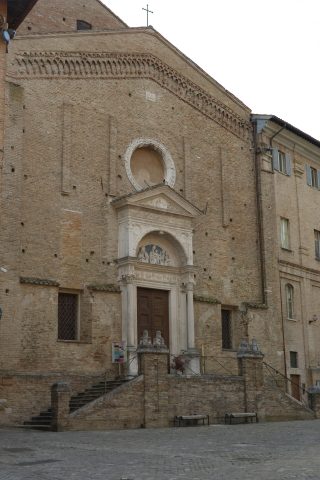
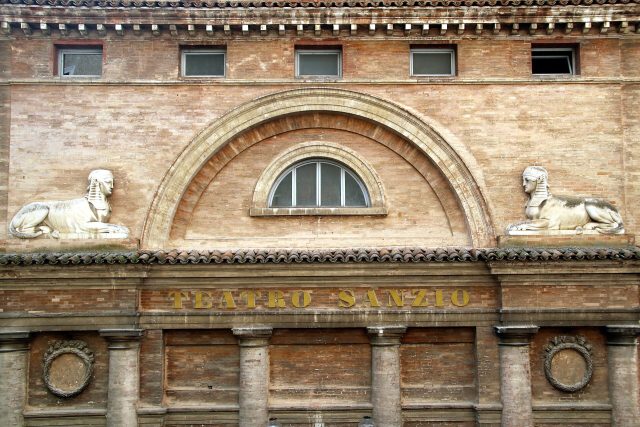
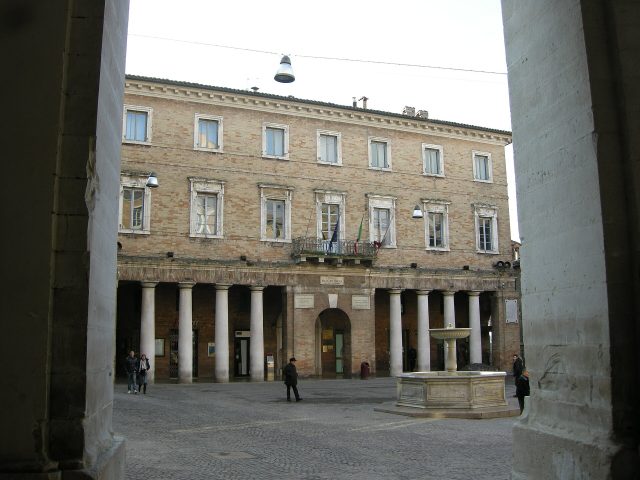
Urbino itself is a city that feels suspended in time. Unlike Florence or Rome, it’s not overrun with tourists, and that quietness allows the palace to breathe. The town’s red-brick buildings, winding streets, and sunlit piazzas create a backdrop that feels authentically Renaissance, as if the modern world has only brushed past it. The palace sits at the heart of this atmosphere, its towers offering sweeping views of the rolling hills of the Marche region. From up there, it’s easy to see why Federico chose this spot. The landscape is dramatic yet serene, a place where the mind could wander as freely as the eye.
What makes the Ducal Palace special is how alive it still feels. It’s not a sterile monument but a place where the past is palpable. Walking through its halls, you can almost hear the murmur of scholars debating in Latin, the clink of armor in the courtyard, or the scratch of a quill in the Studiolо. There’s a sense of intimacy here, as if the palace is sharing its stories with those who take the time to listen. It doesn’t offer easy answers about the Renaissance or Federico’s legacy, but it invites you to ask the questions—to wonder about the balance between power and art, war and wisdom, the fleeting nature of influence and the enduring power of ideas.
For travelers who seek Italy beyond the usual postcard sights, Urbino and its palace offer something rare: a chance to step into a world that shaped the modern one. The town isn’t on the way to anywhere else, which means those who visit do so intentionally. There are no crowds jostling for photos, no vendors hawking trinkets—just the quiet rhythm of a place that has seen centuries pass but hasn’t forgotten its past. The Ducal Palace stands as a reminder that the Renaissance wasn’t just a moment in history but a way of thinking, one that valued curiosity, beauty, and the belief that human potential was limitless. In its halls, that spirit is still very much alive.