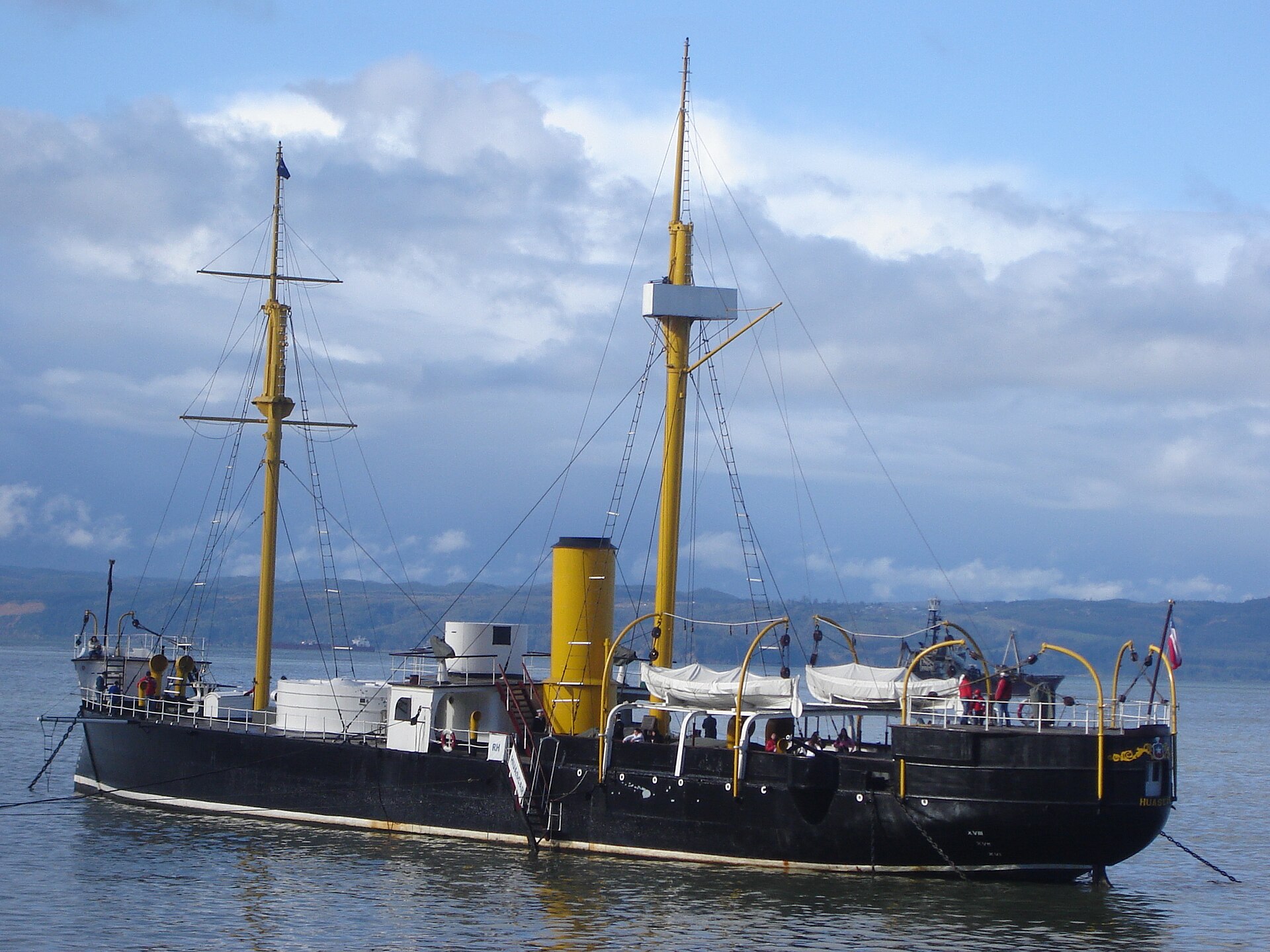
The *Huáscar* isn’t just a ship—it’s a relic of a turbulent era that shaped Chile and the entire Pacific region. Built in Britain in the mid-19th century for the Peruvian navy, it was one of the first ironclad monitors, designed to combine heavy firepower with a low profile that made it nearly impervious to enemy fire. Its name, taken from the last ruler of the Inca Empire, reflected Peru’s ambitions to assert its independence and naval strength. But history had other plans. In 1879, during the War of the Pacific, the *Huáscar* was captured by the Chilean fleet in the Battle of Angamos, a turning point that decided the conflict’s outcome.
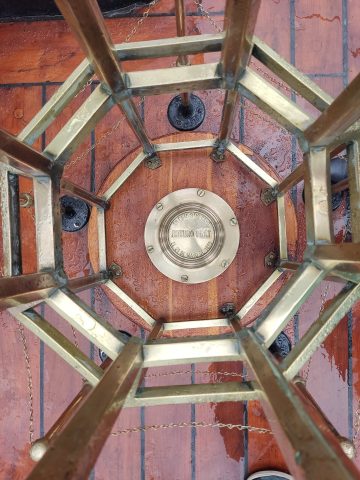
Today, the ship rests in Talcahuano’s harbor, a floating museum frozen in time. Its rusted hull and weathered decks bear the scars of its past, a silent testament to the days when it ruled the waves. Walking its planks, you can almost hear the echoes of sailors rushing to battle stations, officers barking orders, and the thunder of its guns preparing to fire. Below deck, some of the original compartments remain—officers’ quarters, the engine room, and the massive rotating turrets—where exhibits explain the ship’s technical innovations and its role in history. The main turret, capable of a full 360-degree rotation, was a groundbreaking feature for its time, a marvel of 19th-century engineering.
The *Huáscar* is more than a symbol of military triumph; it’s also a monument to tragedy. During its capture, its commander, Peruvian Admiral Miguel Grau, was killed—a national hero in Peru, revered even in Chile. For Chileans, the ship represents victory; for Peruvians, it’s a reminder of loss. This duality makes it more than just a historical artifact; it’s a place where national narratives collide. In Chile, the *Huáscar* is one of the most important naval landmarks, often included in tours of Talcahuano, especially for those interested in Latin America’s complex history.
Talcahuano itself is a city deeply tied to the sea. As one of Chile’s largest ports, it hums with activity—docks, warehouses, fishing boats, and the ever-present scent of salt and seaweed. The *Huáscar* fits naturally into this landscape, a reminder of an era when naval power dictated the fate of nations. Nearby, modern Chilean warships bob in the harbor, creating a striking contrast between past and present. The old ironclad, once a fearsome weapon, now stands as a quiet guardian of history.
Visiting the *Huáscar* isn’t just about seeing an exhibit; it’s about stepping into an age when ships were floating fortresses. Its story reflects broader historical currents—colonial legacies, resource conflicts, and the forging of national identities. For those fascinated by naval engineering, the ship offers a close look at 19th-century innovation: armor plating, steam engines, and massive guns that once dominated the seas. But even if military history isn’t your passion, the atmosphere here is compelling. The ship feels alive, as if the past lingers in its rusted metal and creaking wood.
There’s no touristy bustle around the *Huáscar*. The only sounds are the lapping waves and the cries of gulls. Occasionally, a fisherman or a visitor passes by, but the place retains a sense of solitude, as if time has slowed. Standing on the deck, gazing out at Concepción Bay, it’s easy to reflect on the countless lives tied to this ship—sailors, commanders, and the nations they fought for. The *Huáscar* has survived war, conquest, neglect, and rebirth as a monument, and now it simply exists, a silent witness to history.
If you find yourself in Talcahuano, the *Huáscar* is just one part of what the city offers. The local fish markets serve up fresh seafood, the waterfront provides sweeping ocean views, and other museums delve into the region’s past. But the ironclad remains the main attraction, drawing those who want to connect with history in a tangible way. Unlike polished museum displays, this ship is raw and real, its scars telling stories of its own.
The *Huáscar* is a place where history isn’t just observed—it’s felt. The rust on its armor, the groan of the deck beneath your feet, the scent of aged wood and metal—all of it creates an immersive experience. There are no flashy exhibits or modern interpretations, and that’s what makes it memorable. This isn’t just a tour; it’s an encounter with the past, still breathing in every corner of the ship. That’s why the *Huáscar* continues to captivate—not just historians, but anyone who stands on its deck and feels the weight of time.