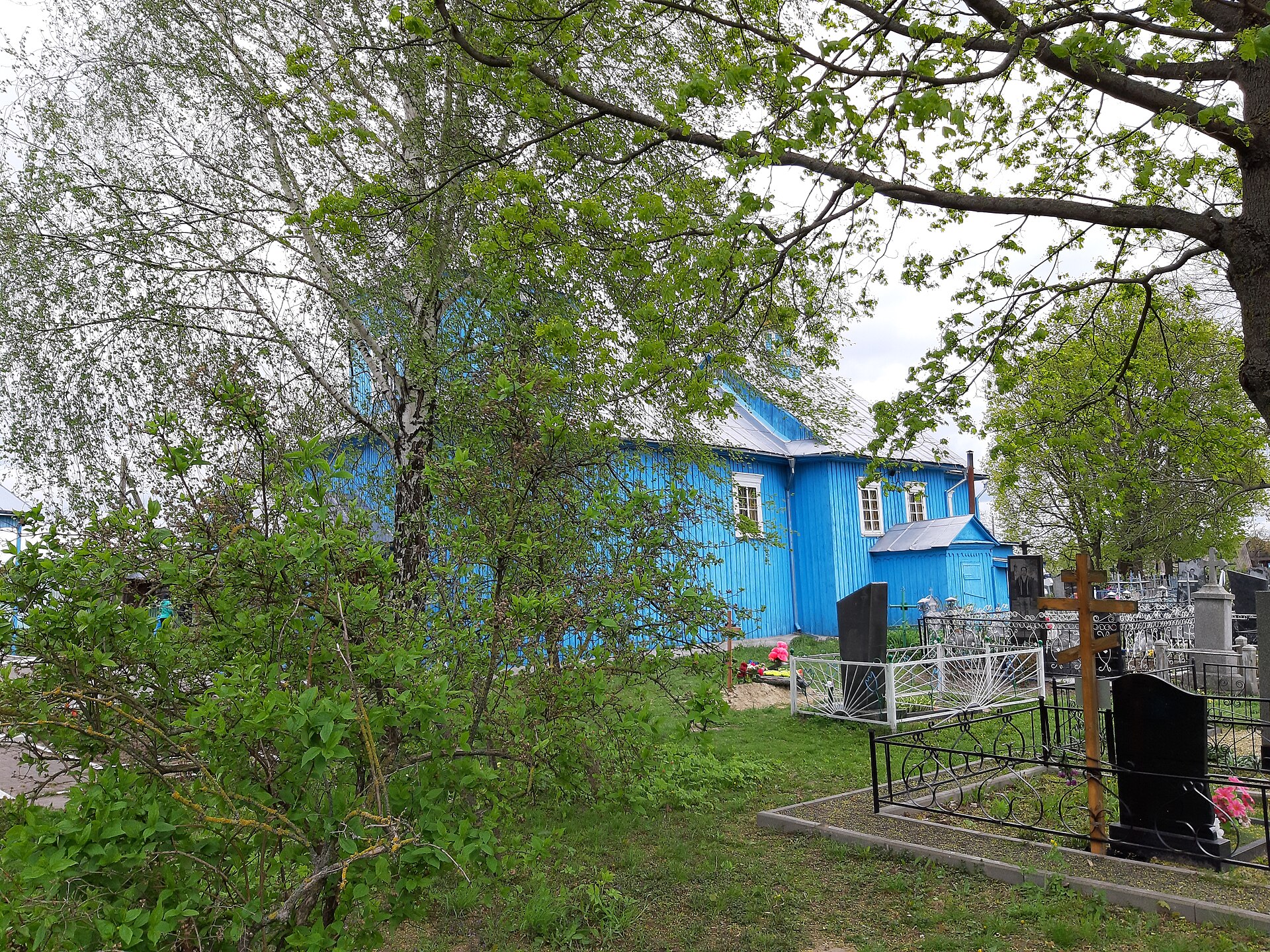
Turov feels like a place where time has settled into a slower rhythm. Nestled along the banks of the Pripyat River, this small Belarusian town carries the weight of centuries in its quiet streets and weathered buildings. Once a bustling center of the medieval Turov Principality, it later became a hub of Orthodox spirituality and trade, shaping the history of the Polesia region. Today, Turov is a peaceful settlement where the past lingers in the details—the worn cobblestones, the old wooden houses, the way the river mist clings to the morning air. At the heart of this history stands the Turov Local History Museum, a modest but deeply resonant place where the layers of time feel almost tangible.
The museum itself is housed in a building that blends seamlessly into the town’s unassuming charm. Low-slung and wooden-shuttered, it reflects the traditional architecture of Polesian towns, where simplicity often held more character than grandeur. Inside, the rooms are spacious yet intimate, with low ceilings that seem to cradle the stories within. There’s no overwhelming scale or opulence here—just a quiet sense of continuity, as if the walls still echo with the voices of merchants, craftsmen, and monks who once walked these streets. The exhibits unfold without fanfare, letting the artifacts speak for themselves.
One of the museum’s most compelling sections is its collection of archaeological finds. Turov dates back to the 10th century, and over the centuries, the earth here has yielded countless traces of its past. Glass cases display everyday objects from ancient Slavic life—clay pottery, tools, and jewelry—each piece a fragment of a long-forgotten routine. But the true standouts are the fragments of stone crosses, known locally as Turov crosses. These intricately carved monuments, adorned with swirling patterns and inscriptions, once marked graves and adorned churches. They’re a rare and distinctive feature of Belarusian heritage, and Turov holds the largest concentration of them, making the museum a key place to understand their significance.
A separate hall is dedicated to the history of the Turov Principality, which in the 12th century was one of the most influential states in the region. Models of ancient fortifications, maps, and documents paint a picture of a time when Turov was a political and cultural force. Among the most intriguing exhibits is the story of the Turov Gospel, one of the oldest handwritten books in Belarus, created in the 11th century. Though the original manuscript is kept in Minsk, the museum offers detailed replicas and explanations of its creation, offering a glimpse into the spiritual and intellectual life of the era.
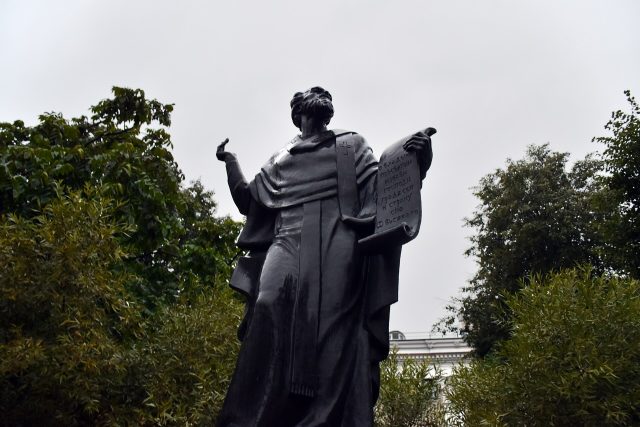
Religion has always been central to Turov’s identity, and the museum pays special attention to its role as a center of Orthodox Christianity. For centuries, the town was the seat of the Turov Eparchy, and its religious heritage is still visible in the surviving churches and monasteries. A key figure in this history is Saint Cyril of Turov, a revered 12th-century theologian and preacher whose writings shaped Orthodox thought. His legacy is still felt in the town, and the museum explores his life and influence, connecting visitors to a tradition that has endured for nearly a thousand years.
Beyond the medieval era, the museum also delves into more recent history. Exhibits from the 19th and 20th centuries offer a glimpse into the daily lives of Turov’s residents—photographs, farming tools, household items, and personal documents. There’s something deeply human in these displays: a handwritten letter, a faded family portrait, a child’s toy. They tell the story of a small town navigating change, from the rhythms of peasant life to the upheavals of war and modernization. The museum also highlights the traditions of the Polesia region, from folk crafts to local customs, showing how the past continues to shape the present.
What makes the Turov Local History Museum special is its ability to make history feel alive. It’s not just a place to observe artifacts—it’s a space where the past is actively preserved and shared. Occasionally, the museum hosts exhibitions by contemporary artists, folk craft demonstrations, and lectures, creating a bridge between old and new. Local historians often lead tours, their stories adding depth to the exhibits. For those who want to explore further, the museum organizes walking tours of Turov, guiding visitors to ancient churches, remnants of fortress walls, and other landmarks that tell the town’s story.
Visiting the museum is less about ticking off a tourist attraction and more about stepping into a different pace of time. There’s no rush here, no crowds—just a quiet invitation to listen to the echoes of history. Turov was once a principality of power and influence; now, it’s a quiet corner of Polesia where the past isn’t just remembered but still lingers in the air. The museum doesn’t just preserve that history—it helps visitors feel it. If you find yourself in Turov, it’s worth taking the time to wander through its rooms. You might leave with more than just knowledge—perhaps a sense of connection to the people who walked these streets long before.